

Zientzia hedabideetan
-

Are earthquakes also earth burps?
Researchers have found that Earth belches a potent greenhouse gas known as tetrafluoromethane (CF4) during earthquakes and other tectonic events. The emissions likely aren’t making a significant contribution to global warming, but the findings could change the way scientists model future climate scenarios. They also complicate the use of CF4 as a way to measure…
-
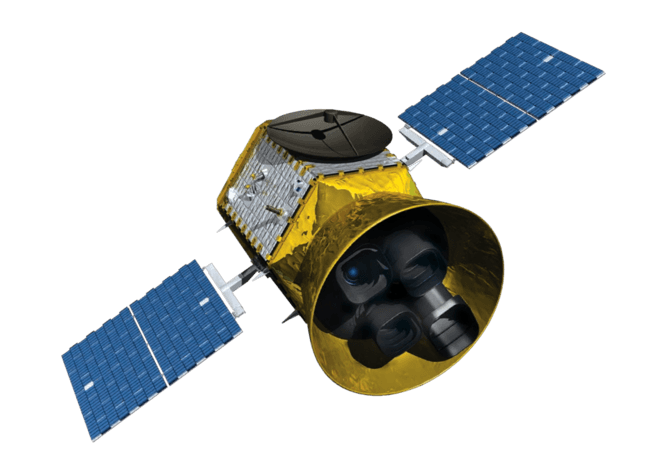
After Kepler, what is next for the planet hunters?
The Kepler telescope is limping. Since 2013, it has not been able to point with sufficient accuracy to planet hunt in its original field, which caused a temporary halt to data collection. Although a fresh “K2” mission is underway to utilise Kepler’s substantial remaining capabilities, eyes are turning to the next big planet finding mission.…
-
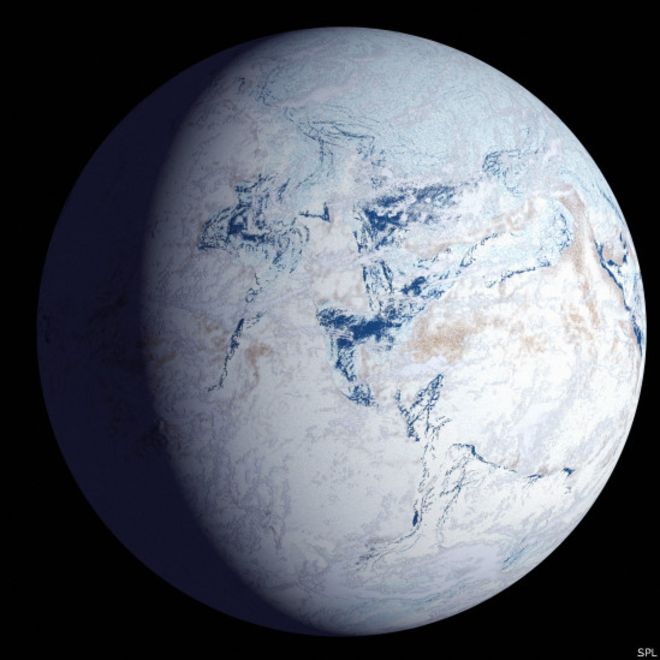
¿Nacieron los animales de un mundo helado o fueron ellos los que congelaron el mundo?
Hasta ahora la explosión cámbrica sigue siendo un enigma. Pero quizá la catástrofe de hielo pueda ayudar a explicarla.
-
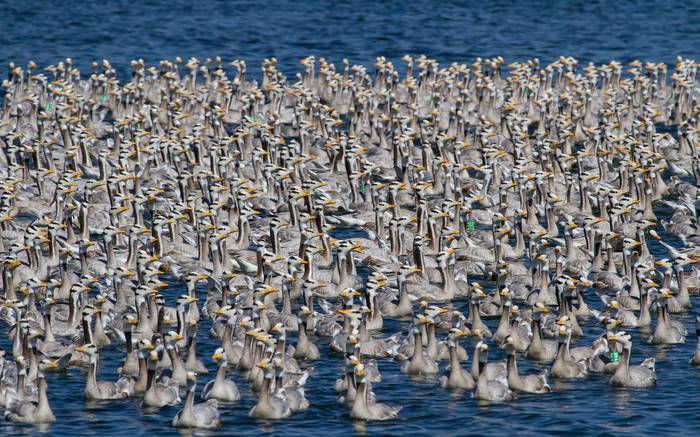
Himalaia erliebeari itsatsita zeharkatzen dute antzarek
Tontorretan gora eta haranetan behera, erliebeari itsatsita zeharkatzen dituzte Himalaia eta Tibeteko goi-lautada antzara indiarrek, mendi errusiarraren erako ibilbideak eginez. Hala ondorioztatu du Bangorko Unibertsitateko (Erresuma Batua) ikertzaile batzuek gidatutako ikerketa lan batek.
-
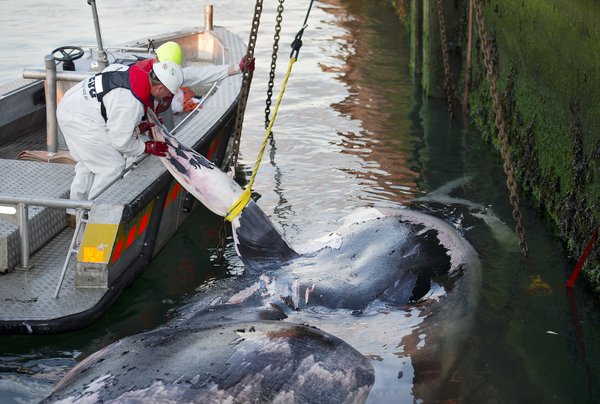
Ocean Life Faces Mass Extinction, Broad Study Says
A team of scientists, in a groundbreaking analysis of data from hundreds of sources, has concluded that humans are on the verge of causing unprecedented damage to the oceans and the animals living in them.
-
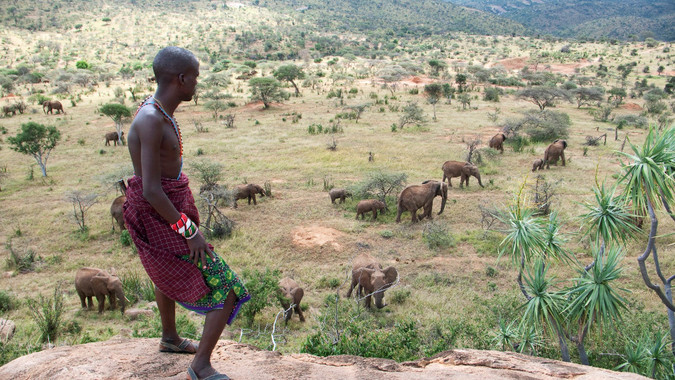
Un enfoque revolucionario para afrontar la pérdida de biodiversidad
La Plataforma Intergubernamental sobre Diversidad Biológica y Servicios de los Ecosistemas (IPBES) ha dado a conocer, tras más de dos años de trabajo, su primer producto “público”. Se trata de un marco conceptual que, a diferencia de los enfoques tradicionales, recoge todas las visiones y los conocimientos en torno a las relaciones entre el mundo…
-
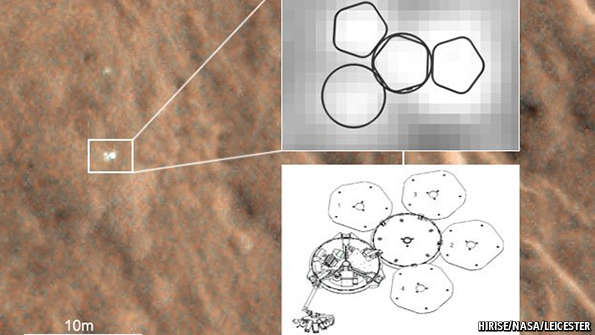
Stick the landing
The minuscule white blob at left in the image above is Beagle 2, Britain’s first (and so far only) Mars probe, which vanished after entering the Martian atmosphere on Christmas Day in 2003. Ever since, scientists have been poring over images taken from other orbiting probes, trying to find out what happened to their robot.
-
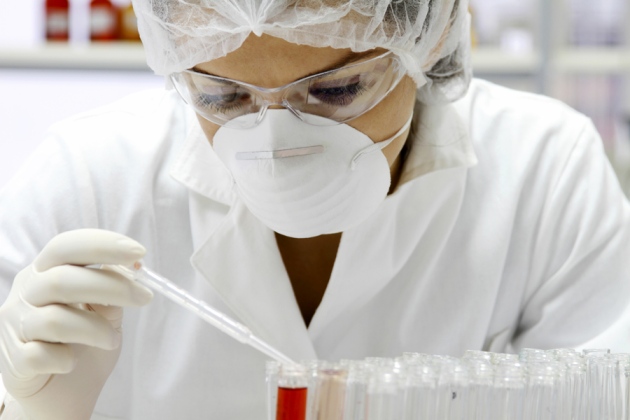
Hidden hurdle for women in science
Women shy away from fields in which talent, not hard work, is thought to be key, survey suggests.
-
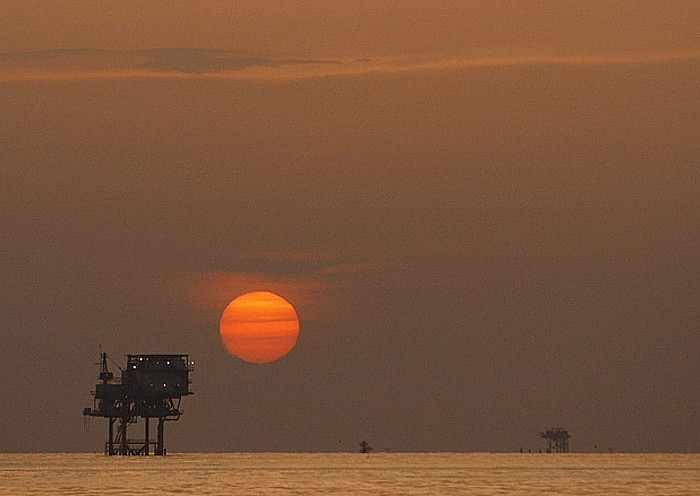
Klima aldaketa, norabide aldaketa
Munduak asko mugatu beharko du erregai fosilen erabilera, zientzialariek ohartarazi duten bi graduko tenperatura igoera ez gertatzeko. Petrolio erreserben herenek, gasekoen erdiek eta ikatzekoen ia guztiek lur azpian jarraitu beharko dute.