

Zientzia hedabideetan
-
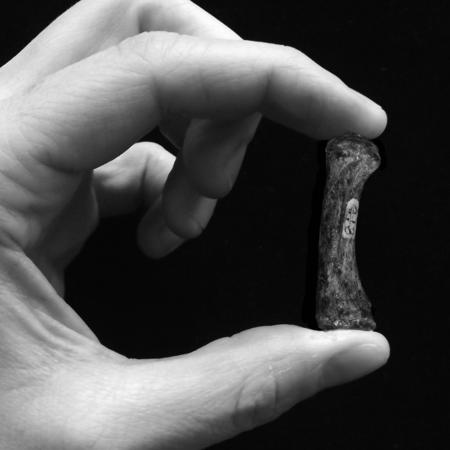
Tool making arose earlier among human ancestors
Our ape-like ancestors may have stopped dragging their knuckles and started making tools a half million years earlier than previously thought, according to a new study.
-

El ADN de los superhéroes
La biomedicina lleva años buscando las claves de enfermedades en el ADN de sus pacientes. Se han descrito miles de mutaciones relacionadas con la hipertensión, la diabetes y el alzhéimer, sin embargo, algunos científicos han decidido cambiar de perspectiva. ¿Por qué no estudiar también a los que, a pesar de poseer una herencia genética desfavorable,…
-
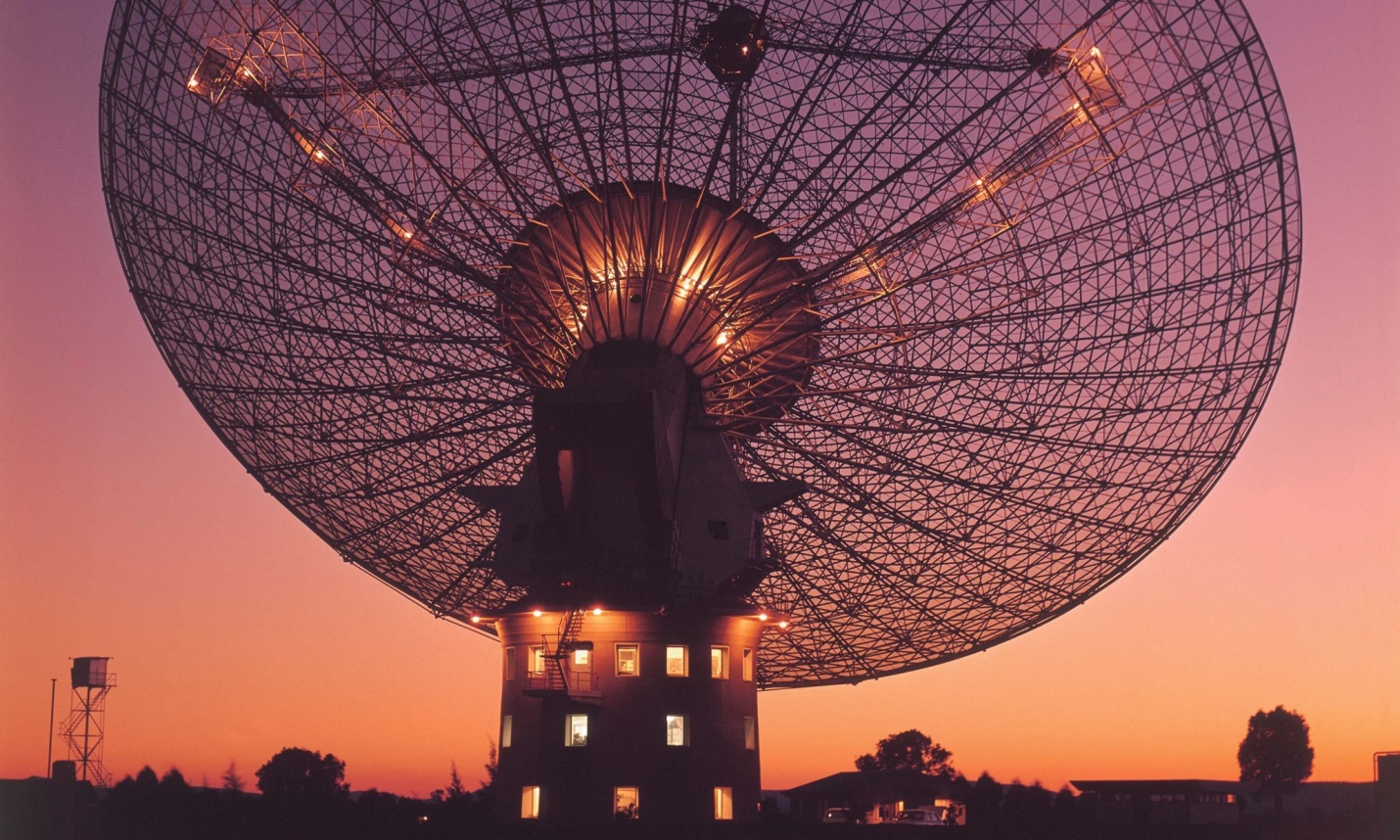
Dying star could be behind immensely powerful radio bursts ‘heard’ live
A fleeting but immensely powerful celestial signal has been “heard” live for the first time, radio astronomers in Australia have announced, bringing scientists a step closer to discovering its mysterious origins.
-

Uhin elektromagnetikoek gorputzean duten eragina jakiteko eredu bat garatu dute
Uhin elektromagnetikoek gorputzean duten eragina jakiteko eredu bat garatu dute
-
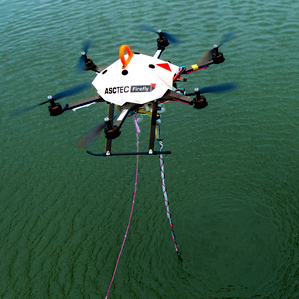
Drones That Can Suck Up Water Hunt Oil Leaks, Invasive Species
Drones able to take water samples could be the first in a new wave of hands-on aerial robots.
-
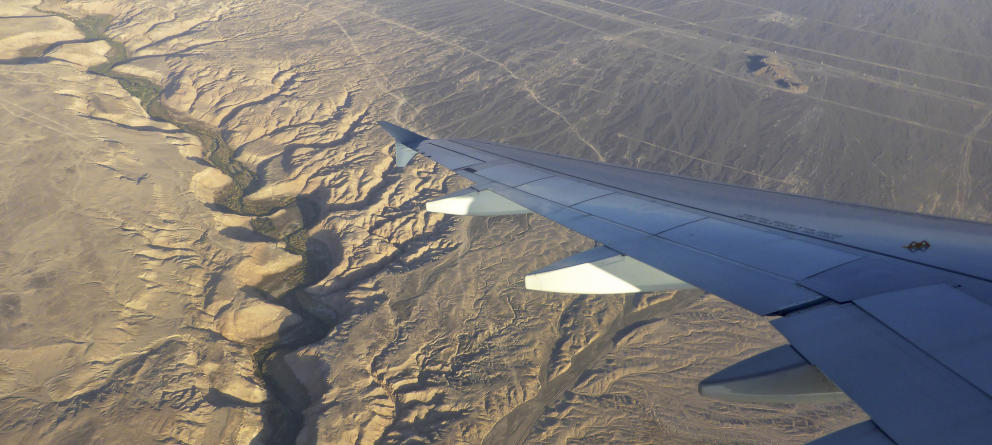
Descubren al culpable de los movimientos bruscos de las placas tectónicas
El movimiento brusco de las placas tectónicas provoca terremotos, que desembocan en desastres naturales y cuantiosas pérdidas materiales y humanas. Normalmente se deslizan suavemente durante cientos de millones de años, pero se ignoraba por qué en ocasiones crujen abruptamente. Ahora, parece que este enigma de la geología ha encontrado respuesta.
-
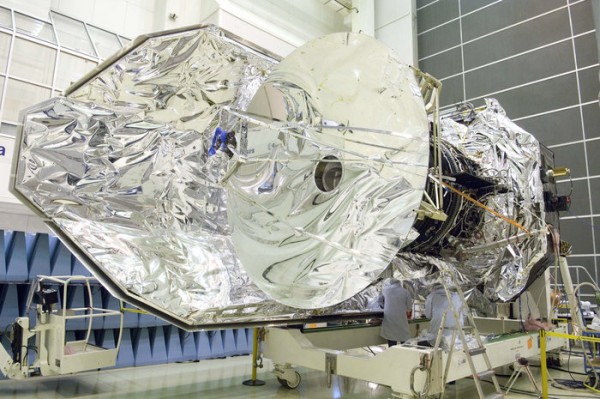
The cosmic chemistry that gave rise to water
Earth’s water has a mysterious past stretching back to the primordial clouds of gas that birthed the Sun and other stars. By using telescopes and computer simulations to study such star nurseries, researchers can better understand the cosmic chemistry that has influenced the distribution of water in star systems across the Universe.
-

On the origin of 4-4-2: evolution, animals and football
Natural selection has shaped many different animal groups, from V-like formations of bird flocks to circular mills of schooling fish. These shapes are the result of millions of years of evolution. Animals that hold their formation survive and those that don’t follow the group die out, either left behind or picked off by predators.
-
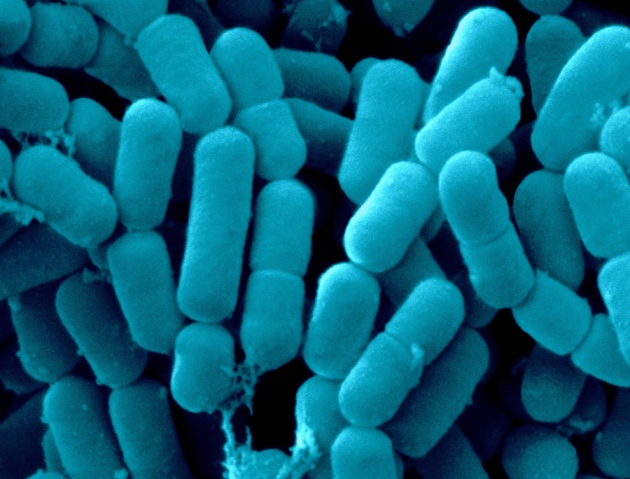
GM microbes created that can’t escape the lab
Critics of genetic engineering have long worried about the risk of modified organisms escaping into the environment. A biological-containment strategy described this week in Nature has the potential to put some of those fears to rest and to pave the way for greater use of engineered organisms in areas such as agriculture, medicine and environmental clean-up.