

Zientzia hedabideetan
-

Aprender un segundo idioma aporta al cerebro los mismos beneficios que ser bilingüe
Los individuos que aprenden inglés como segundo idioma desarrollan una estructura de la materia blanca del cerebro similar a la de los bilingües. Los resultados indican que tanto unos como otros mejoran la cobertura de mielina, la responsable de garantizar la transmisión de conocimiento. Estos beneficios pueden darse hasta en edades adultas –independientemente del uso…
-

Scientists Conjure Curves From Flatness
Try gift-wrapping a soccer ball, and you will quickly encounter the geometric abyss between paper’s inherent flatness and a sphere’s natural curves.
-
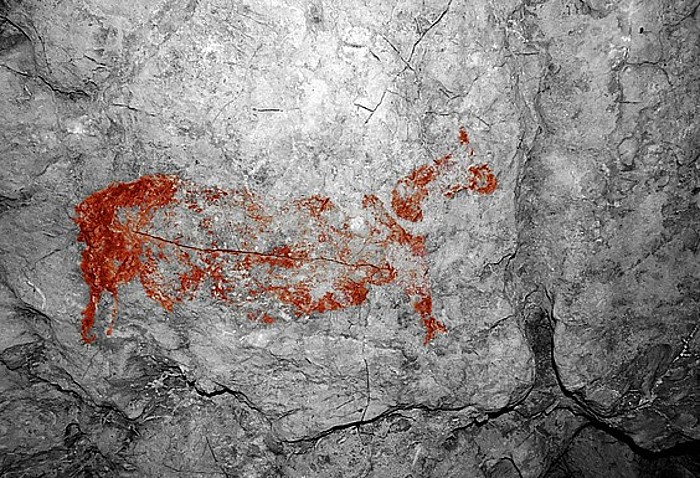
18.000 urte baino gehiagoko irudiak aurkitu dituzte Zestoako koba batean
Zestoako Danbolinzuloko haitzuloan (Gipuzkoa) gutxienez 18.000 urte izango dituzten labar irudi berriak aurkitu izanak funtsezko lurralde bilakatzen du Euskal Herria, «sinbolismoaren eta artearen jatorria ikertzeko eta Goi Paleolitoko gizakiaren mugikortasuna eta interakzioa ulertzeko», Marcos Garcia Euskal Herriko Unibertsitateko Historiaurreko Taldeko eta Ikerbasque fundazioko kidearen hitzetan.
-

Why Language Exceptions Remain the Rule
Interaction among speakers of a language may explain why frequently used verbs tend to remain irregular even as language evolves over generations.
-

Por qué 2015 será más largo que 2014
Si 2014 se te pasó volando y no llegaste a hacer todo lo que te propusiste, este año será más generoso contigo: te dará más tiempo para cumplir tus objetivos. Al menos, un poquito más generoso.
-
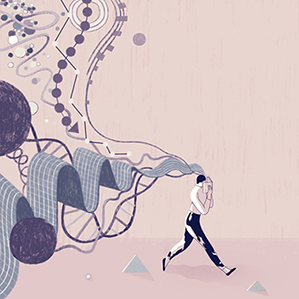
Robot Journalist Finds New Work on Wall Street
Software that turns data into written text could help us make sense of a coming tsunami of data.
-
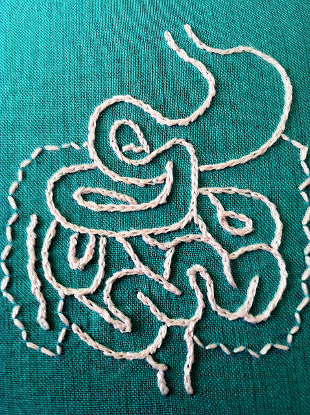
Growing Human Guts in Mice
Researchers make more progress toward growing human intestines in mice, paving the way for better models of intestinal function and failure.
-
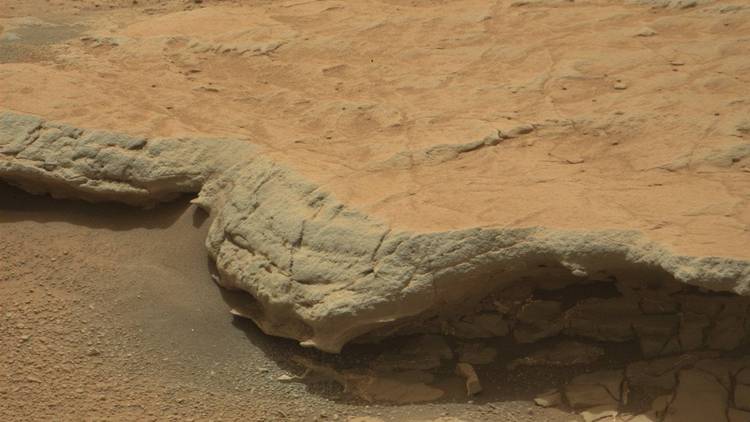
Life on Mars? Scientist offers different take on Curiosity images
Was there ever life on Mars? Without a human geologist roaming the surface, hammer in hand, it’s devilishly difficult to find out, and current robotic explorers aren’t really built to answer that question. But in a paper published in the journal Astrobiology, a scientist describes patterns in Martian rock that she says look uncannily like…
-
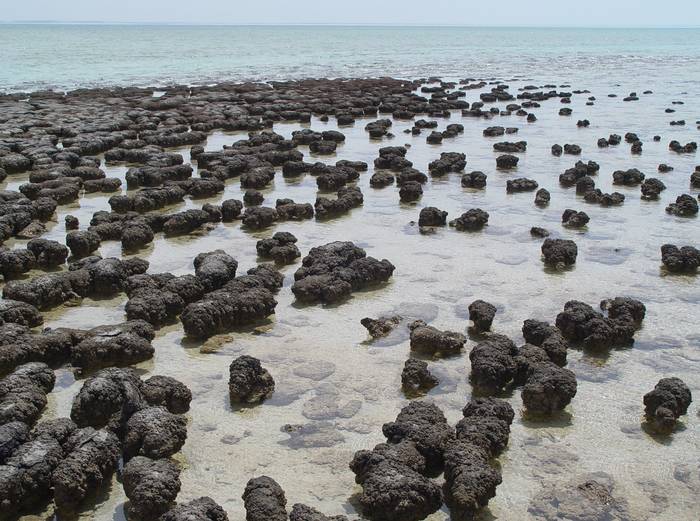
Zianobakterioak, planetaren lehen eraldatzaileak
Gure planeta inguratzen duen atmosferak ez du hasieran izan zuenaren antz handirik. Lehen atmosfera hura Jupiterreko ilargietako batzuk dutenaren antzekoa zen; oxigenoaren eta nitrogenoaren ordez, hidrogenoa, helioa, karbono dioxidoa, metanoa, nitrogenoa eta nitrogenokonposatuak zituen. Horrenbestez, oso ezegonkorra zen, eta erabat toxikoa gaur egungo bizidunontzat. Alabaina, duela 3.600 milioi urte inguru, lehen zianobakterioak sortu ziren, eta…