

Zientzia hedabideetan
-
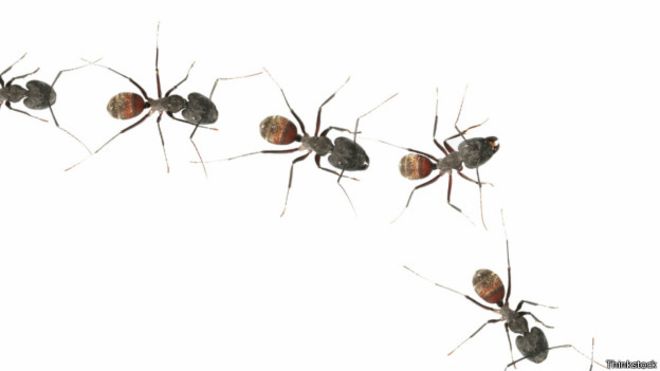
La sorprendente capacidad de las hormigas ante la falta de gravedad
Las hormigas llevadas a la Estación Espacial Internacional pudieron trabajar en equipo pese a la falta de gravedad y a pesar de caerse de las paredes de sus contenedores.
-
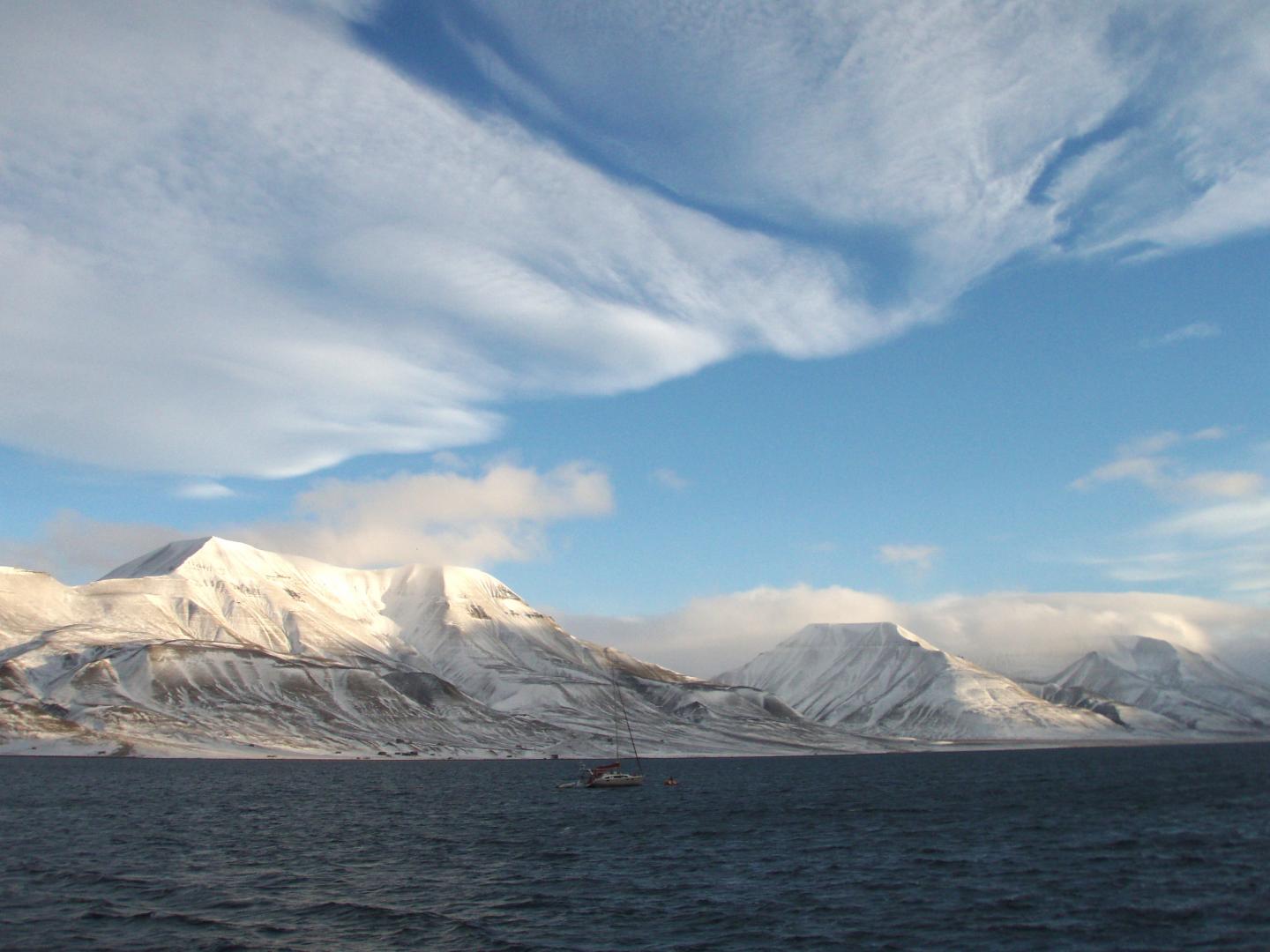
Geologist identifies new source of methane for gas hydrates in Arctic
Research led by a University of New Hampshire professor has identified a new source of methane for gas hydrates — ice-like substances found in sediment that trap methane within the […]
-
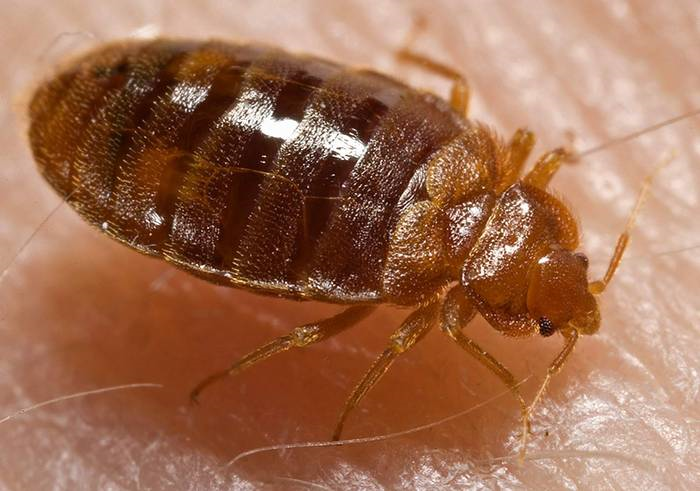
Etxe barruko biomaren eboluzioa ezagutzeko bidean
Orain arte, zientzialari gutxik erreparatu diote etxe barruko biomasaren bilakaera ebolutiboari. Alabaina, lurzoruaren % 5 inguru hartzen du eraikinen barruko azalerak (koniferoen baso subtropikalen pare), eta ikertzaileak hasiak dira azalera […]
-
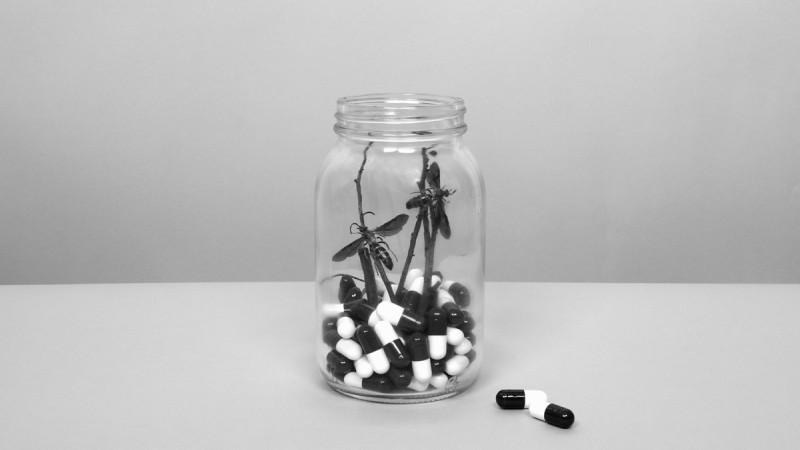
How a bee sting saved my life: poison as medicine
Ellie Lobel was ready to die. Then she was attacked by bees
-
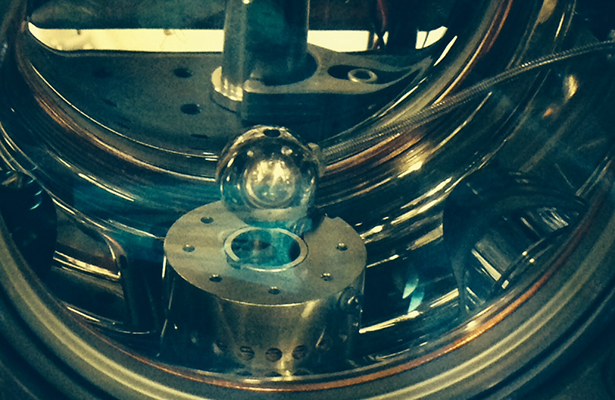
Dark Energy Tested on a Tabletop
Is dark energy a cosmic chameleon that can fade into its surroundings? A recent test brings the mysterious anti-gravitational force down to earth.
-
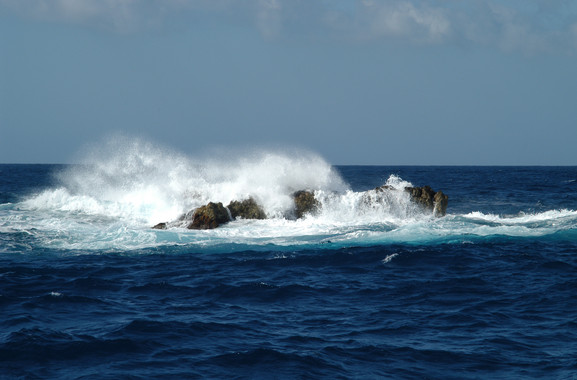
La falta de oxígeno en el océano altera la diversidad animal del fondo marino
Fósiles hallados en los fondos marinos de la cuenca de Santa Bárbara en EEUU revelan por primera vez que el calentamiento climático producido durante la última desglaciación ha cambiado la […]
-

Will You Be Able to Read this Article in 1,000 Years?
The digitization of data gives it protection from physical catastrophes, but, as it stands now, it’s far from eternal. The problem isn’t so much that the data itself might be […]
-
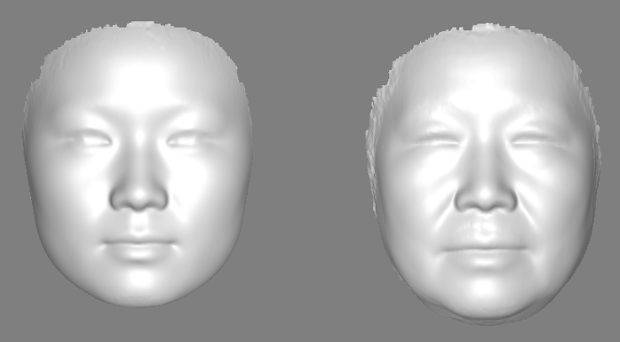
Scan allows scientists to determine biological age from the face alone
New technology could allow doctors to further personalise treatment for patients and assess the effects of anti-ageing therapies
-

A Tired Brain Could Actually Be More Creative
The wandering thoughts brought on by fatigue can lead to insight