

Zientzia hedabideetan
-
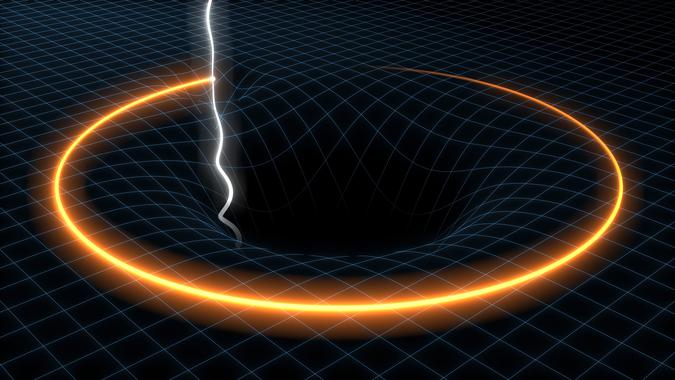
Púlsares con agujeros negros pueden guardar el ‘santo grial’ de la gravedad
La luz intermitente que emiten los púlsares, los relojes más precisos del universo, sirve a los científicos para verificar la teoría de la relatividad de Einstein, sobre todo cuando estos objetos se emparejan con otra estrella de neutrones o una enana blanca e interfiere su gravedad. Pero esta teoría se podría analizar mucho mejor si…
-
Photons double up to make the invisible visible
People have infrared vision — and it could be the result of pairs of photons combining their energies to appear as one ‘visible’ photon.
-
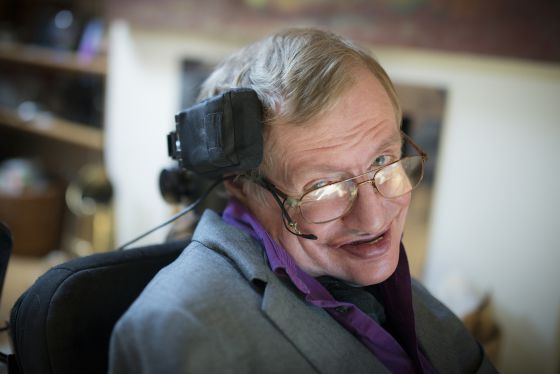
Así es la nueva silla con la que se comunica Stephen Hawking
Un sistema desarrollado por Intel permite al científico transmitir sus pensamientos más rápido y realizar tareas cotidianas en la décima parte de tiempo
-
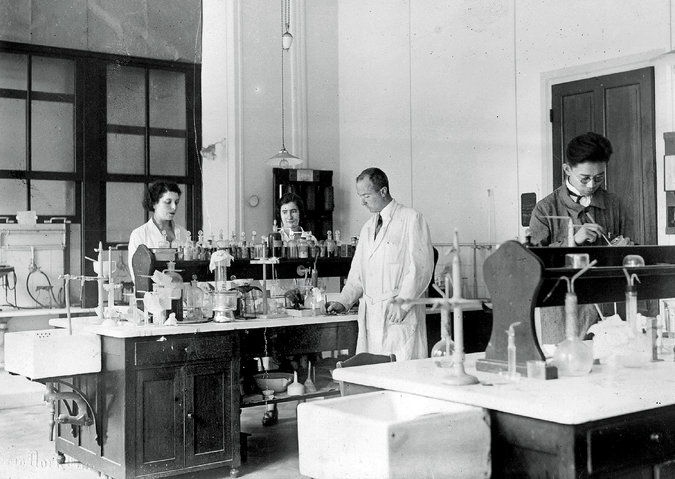
My Great-Great-Aunt Discovered Francium. And It Killed Her.
Just after Christmas of 1938, a young woman named Marguerite Perey — then 29, with a plain, open face, her eyes intent upon her work — sat at a bench in the Radium Institute of Paris, a brick mansion near the Jardin du Luxembourg. In a glass vessel, she examined fluid containing metal salts. She…
-
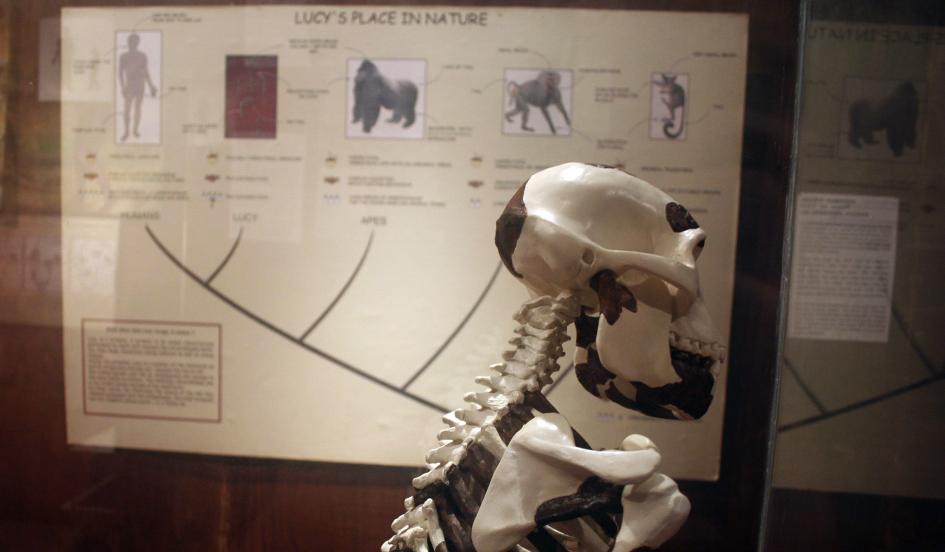
Lucy’s 40th ‘Birthday’: Looking Back On The Impact of The Australopithecus
It was November 24, 1974, around noon, and Donald Johanson, a 31-year-old associate professor of anthropology at Case Western Reserve University, had just spotted an elbow in Ethiopia. “Oh my God,” he thought as his eyes moved up the slope. One by one, he recognized a thigh bone, a skull and a piece of jaw…
-
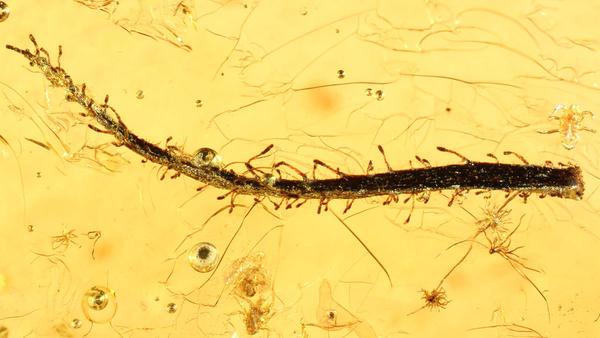
Tree sap turns table on bug trap plant
Some 40 million years ago around the Baltic Sea coast, an insect-killing plant was busy trapping bugs. Its leaves, about as long as a pencil eraser, eventually fell into sticky sap, which hardened to amber and stayed there until miners scooped it up, cut it with a dental drill, polished it up and sold it…
-
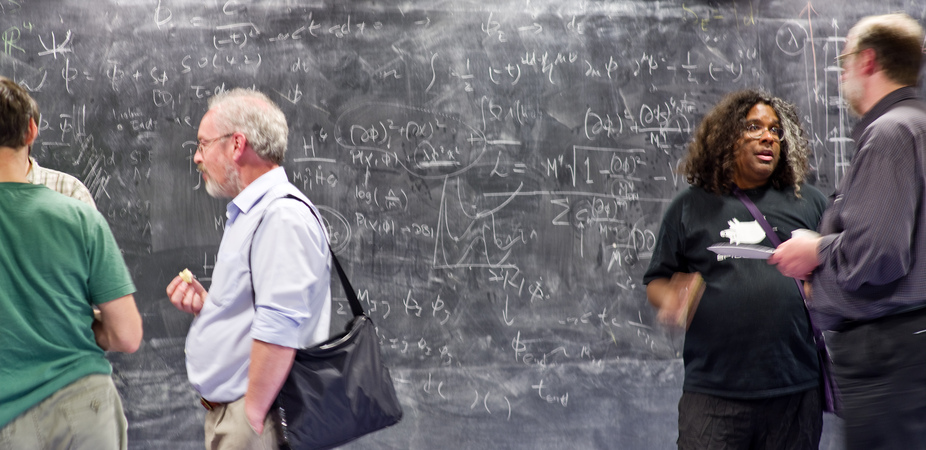
Where’s the proof in science? There is none
What do we actually mean by research and how does it help inform our understanding of things? Those people looking for proof to come from any research in science will be sadly disappointed.
-
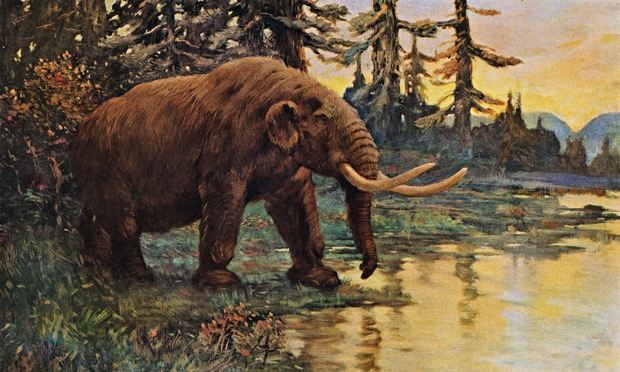
Climate change drove mastodons to the brink, humans pushed them over
Climate change played a pivotal role in the extinction of mastodons in North America, new radiocarbon dating of fossils has revealed – though hunting by people may have been the last straw.
-
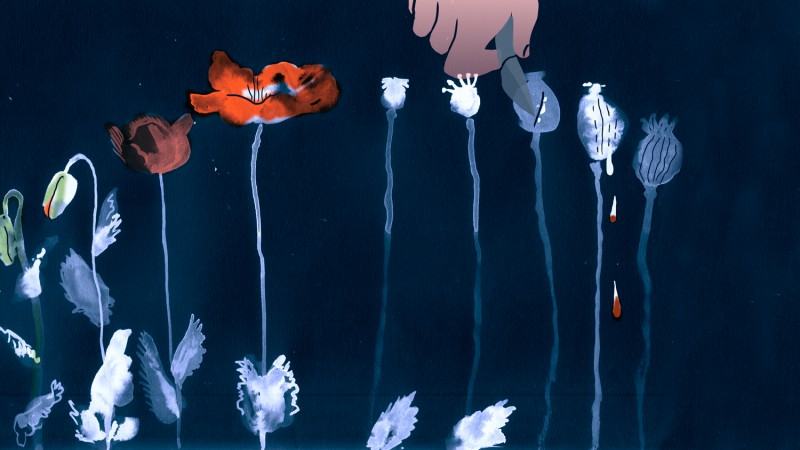
Saved: How addicts gained the power to reverse overdoses
Naloxone can reverse an otherwise fatal heroin overdose within minutes. Carrie Arnold meets the doctors who put this remarkable drug in the hands of the police, families and addicts—and saved thousands of lives.