

Zientzia hedabideetan
-

Like Tiny Scientists, Babies Learn Best By Focusing on Surprising Objects
Lab tests suggest that infants learn more about the world around them when they encounter and investigate unexpected phenomena
-
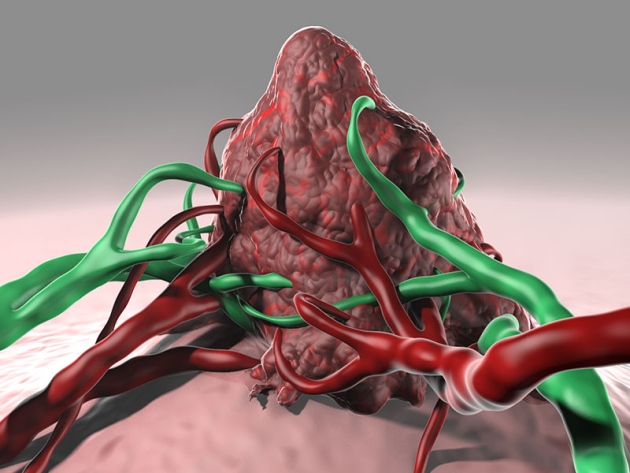
Tumour mutations harnessed to build cancer vaccine
Vaccines made from mutated proteins found in tumours have bolstered immune responses to cancer in a small clinical trial.
-

Registrada la gestación de un ‘jet’ estelar en tiempo real
La joven estrella W75N (B)-VLA2 está ayudando a un grupo internacional de astrónomos a entender cómo se pueden haber formado las estrellas más masivas del universo. El equipo, liderado por […]
-

Study shows that women who sleep longer have higher libidos.
Everyone knows that getting a good night’s sleep is important for things like mood and overall health. Now studies show that sleep might also affect your sex drive.
-

Volar o morir: el viaje de un pequeño pájaro a lo largo de 3.000 kilómetros de océano
La reinita estriada, un ave del tamaño de un gorrión, es capaz de ir desde Canadá a Sudamérica en un viaje de dos días en los que no se detiene […]
-

Crean un exoesqueleto que permite andar con mucho menos esfuerzo
No son las botas de ‘siete leguas’ pero es lo más parecido que la tecnología puede ofrecernos. Este dispositivo externo ahorra hasta un 7% de la energía que empleamos al […]
-
Toolkits for the Mind
Programming languages shape the way their users think—which helps explain how tech startups work and why they are able to reinvent themselves.
-
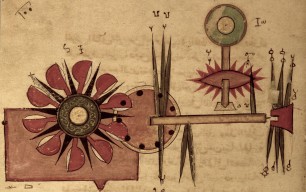
Preternatural machines
Robots came to Europe before the dawn of the mechanical age. To a medieval world, they were indistinguishable from magic
-
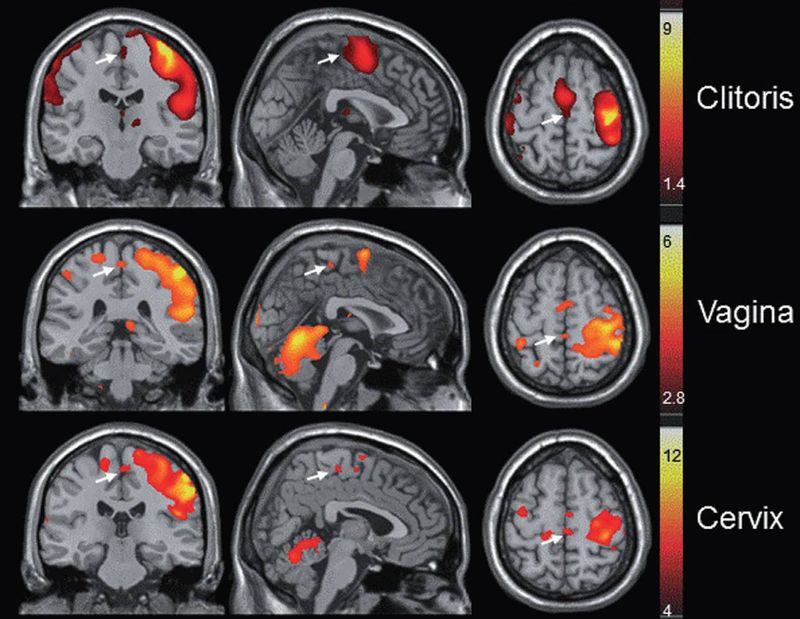
This is what your brain looks like during an orgasm
Orgasms are a truly altered, if fleeting, state of consciousness. And most people (though not all) experience them somewhat regularly. So it’s a bit surprising how seldom we talk about […]