

Zientzia hedabideetan
-
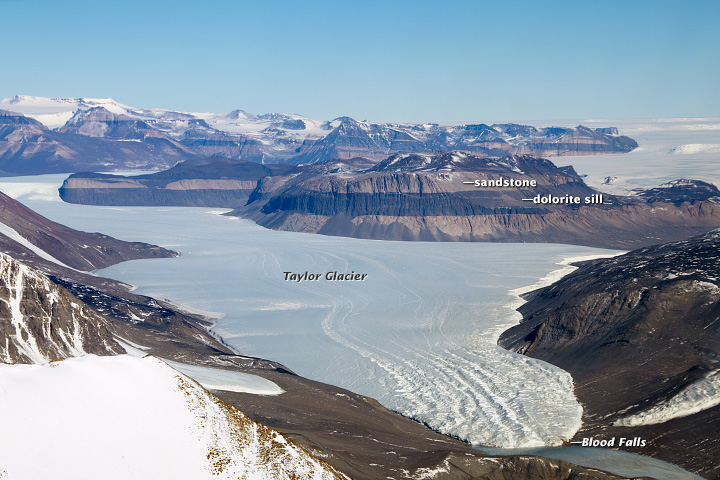
Antarctic Offers Insights Into Life on Mars
The cold permafrost of Antarctica houses bacteria that thrive at temperatures below freezing, where water is icy and nutrients are few and far between. Oligotrophs, slow-growing organisms that prefer environments where nutrients are scarce, could provide clues as to how life could exist in the permafrost of Mars.
-
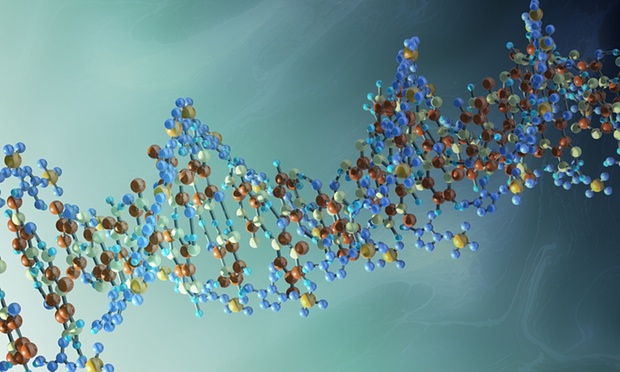
At the limit of Moore’s law: scientists develop molecule-sized transistors
Researchers find transistors can be produced consisting of atoms 600,000 times thinner than a human hair – paving way for atom-scale chips
-
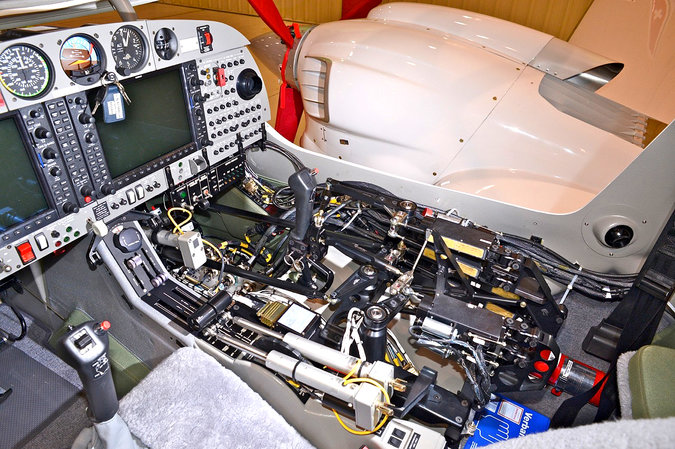
A Machine in the Co-Pilot’s Seat
Today the majority of American military aircraft are drones, and commercial aircraft now fly most of their routes on autopilot. The new program’s goal is to use robots to augment, rather than automate, flight.
-
El grafeno, en datos: ¿revolución o humo?
El revuelo que generó este material milagro a principios de siglo se quedó básicamente en eso. Aunque la inversión se ha incrementado año tras año, la revolución industrial que muchos vaticinaban no llega.
-

New advances with immuno-oncology train the immune system to fight cancer
While traditional chemotherapy acts as a poison to kill cancer cells directly, the new drug being tested aimed to use the patient’s own immune system to fight the cancer. Tumors interact with immune cells in such a way to evade being killed by them, and this new drug aimed to put a stop to that.…
-
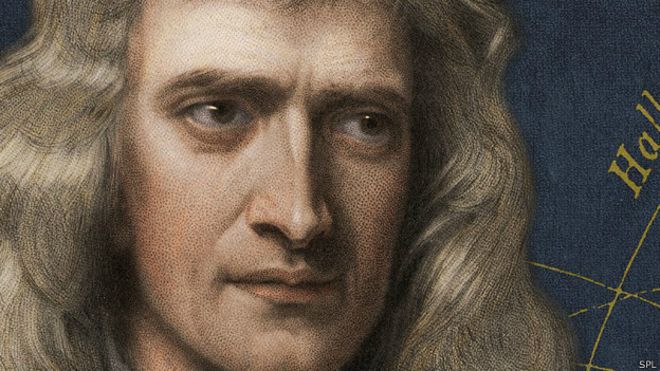
El lado oscuro del genio Isaac Newton
Fue venerado durante su vida, descubrió las leyes de la gravedad y del movimiento, inventó el cálculo infinitesimal y ayudó a moldear nuestra visión racional del mundo. Pero su vida personal a menudo estuvo plagada de sentimientos menos felices.
-
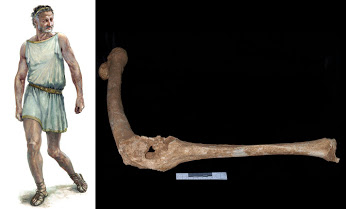
Identifican los restos de Filipo II de Macedonia, padre de Alejandro Magno
Un equipo internacional de investigación, que ha contado con la participación de Juan Luis Arsuaga, director científico del Museo de la Evolución Humana, ha identificado los huesos de Filipo II de Macedonia, así como los de su esposa Cleopatra y su hijo recién nacido, en la Tumba 1 del Gran Túmulo en la ciudad de…
-
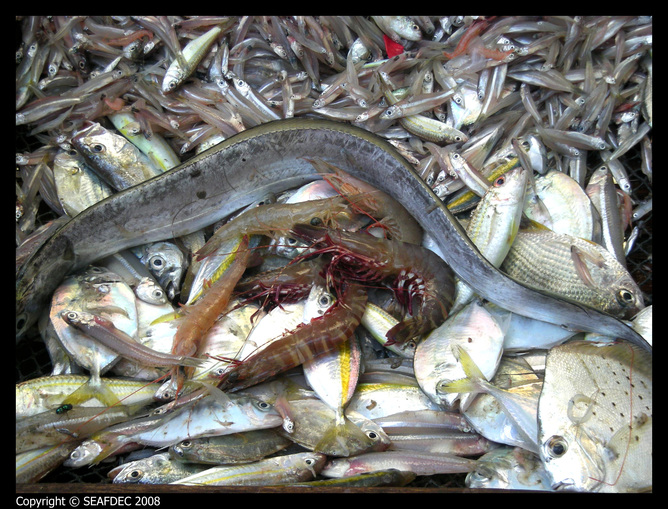
Could ‘balanced harvesting’ really feed the world and save the oceans?
Scientists and policymakers are simultaneously looking for new ways to feed the world and save the oceans. Global seafood demands are increasing, and fisheries and aquaculture already have large impacts on marine ecosystems. The concept of “balanced harvesting” aims to address both of these issues.
-
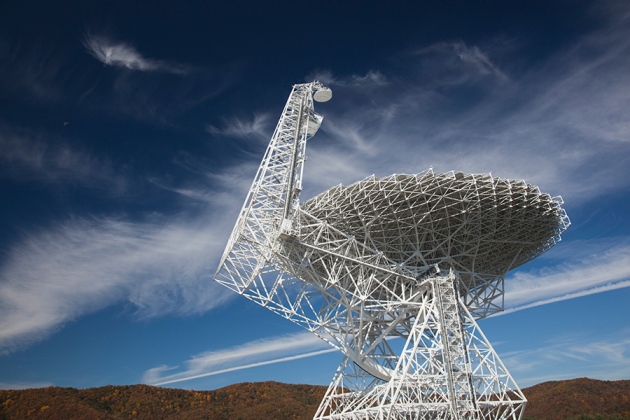
Search for extraterrestrial intelligence gets a $100-million boost
You could say that the silence has been deafening. Since its beginnings more than half a century ago, the dedicated search for extraterrestrial intelligence (SETI) has failed to detect the presence of alien civilizations. But at London’s Royal Society today (20 July), Russian billionaire Yuri Milner announced a shot in the arm for SETI: a…