

Zientzia hedabideetan
-
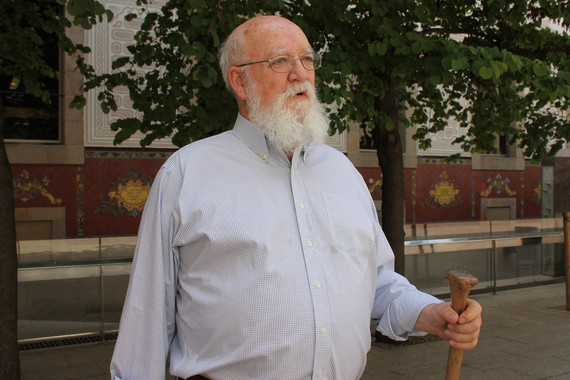
“La religión no es el motor de la moral sino el freno que ha ralentizado su desarrollo”
A Daniel Dennett (Boston, 1942) le gusta parecerse a Charles Darwin. Este filósofo evolucionista ha dedicado toda su vida a pensar por qué somos como somos y por qué pensamos como pensamos. Su trabajo ha recibido numerosos galardones que lo han situado como uno de los filósofos de la ciencia contemporáneos con más influencia internacional.…
-

Amazoniarrak eta ozeaniarrak genetikoki lotuta
Amerikarren jatorriari buruzko datu berriak eman dituzte DNAn oinarritutako bi ikerketak Amerikarren jatorriari buruzko datu berriak eman dituzte DNAn oinarritutako bi ikerketak
-
The Codes of Modern Life
In 1960, Irving Reed and Gustave Solomon published a paper in the Journal of the Society for Industrial and Applied Mathematics, entitled, “Polynomial Codes Over Certain Finite Fields,” a string of words that neatly convey the arcane nature of their work. Within those five pages was the basic recipe for the most efficacious error-correction codes…
-

Así se formaron las galaxias en el universo temprano
Las nuevas observaciones permiten a los astrónomos empezar a ver cómo se construyeron las primeras galaxias y cómo despejaron la niebla cósmica en la época de reionización
-
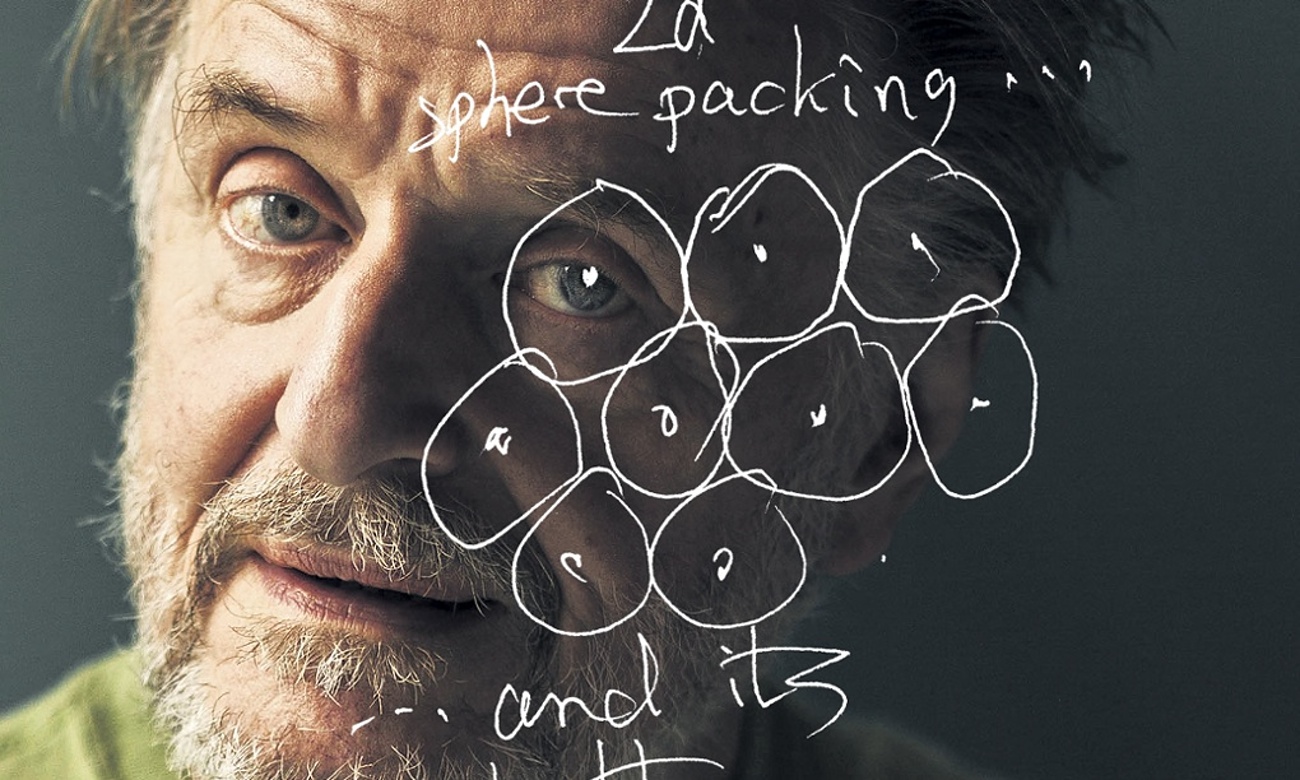
The world’s most charismatic mathematician
John Horton Conway is a cross between Archimedes, Mick Jagger and Salvador Dalí. For many years, he worried that his obsession with playing silly games was ruining his career – until he realised that it could lead to extraordinary discoveries
-
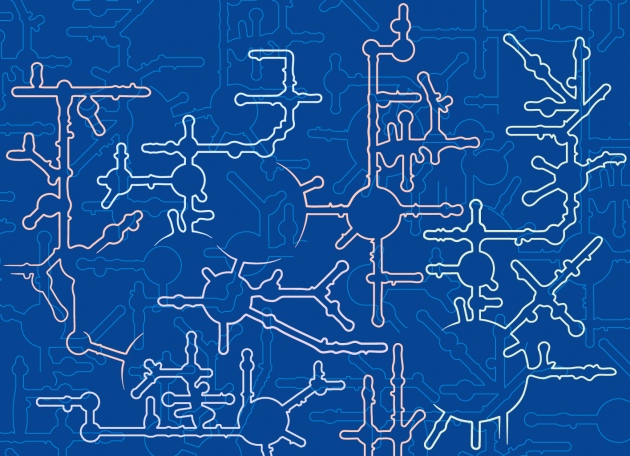
A cellular puzzle: The weird and wonderful architecture of RNA
Cells contain an ocean of twisting and turning RNA molecules. Now researchers are working out the structures — and how important they could be.
-
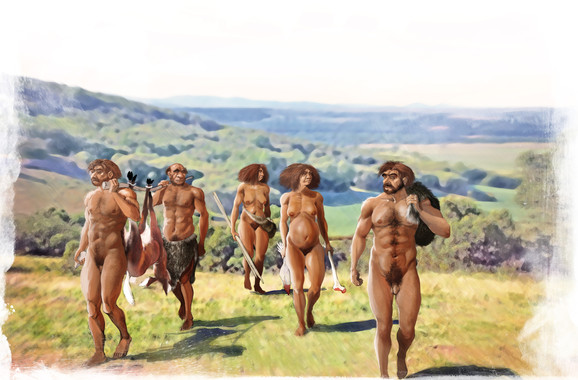
Un mapa geomorfológico ilustra cómo se formó la Sierra de Atapuerca
Valles, terrenos al aire libre y llanos, y sobre todo las cuevas hacen de la Sierra de Atapuerca (Burgos) un lugar único, en el que habitaron al menos cuatro especies de homínidos y otros animales como el ciervo gigante, el jaguar europeo o el oso de las cavernas. Para entender cómo se creó este hábitat…
-
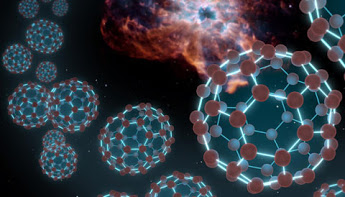
Buckyballs Solve Interstellar Mystery
The term “diffuse interstellar bands” may not run chills down your back, but it’s code for a spectral mystery has haunted astronomers for almost a century. First discovered in 1922, these absorption lines (more than 400 of them) are seen anytime astronomers look toward dust-reddened stars. But no ions or molecules tested in the lab…
-
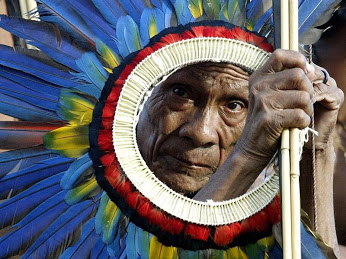
A DNA Search for the First Americans Links Amazon Groups to Indigenous Australians
The prevailing theory is that the first Americans arrived in a single wave, and all Native American populations today descend from this one group of adventurous founders. But now there’s a kink in that theory. The latest genetic analyses back up skeletal studies suggesting that some groups in the Amazon share a common ancestor with…