

Nature News
-

3D-printed device helps computers solve cocktail-party problem
Artificial-intelligence researchers have long struggled to make computers perform a task that is simple for humans: picking out one person’s speech when multiple people nearby are talking simultaneously.
-
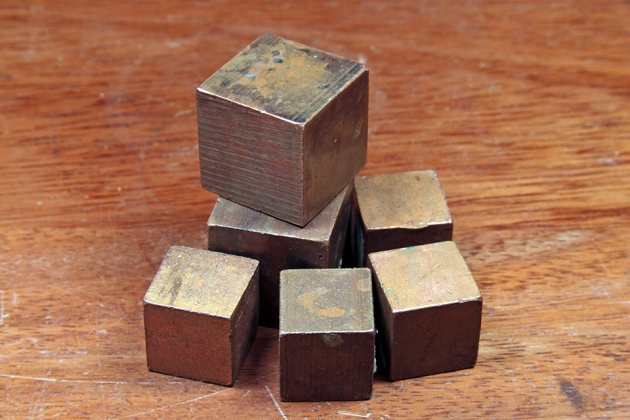
Non-magnetic metals turned into magnets
Two common metals that are not magnetic — copper and manganese — can be transformed into magnets: a surprising effect that involves combining thin films of the metals with carbon-based organic molecules.
-
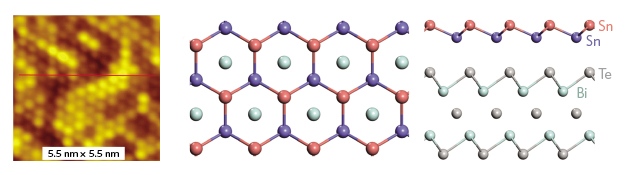
Physicists announce graphene’s latest cousin: stanene
Two years after physicists predicted that tin should be able to form a mesh just one atom thick, researchers say that they have made it. The thin film, called stanene, is reported on 3 August in Nature Materials. But researchers have not been able to confirm whether the material has the predicted exotic electronic properties…
-
Crumb of mouse brain reconstructed in full detail
Six years might seem like a long time to spend piecing together the structure of a scrap of tissue vastly smaller than a bead of sweat. But that is how long it has taken a team led by cell biologist Jeff Lichtman from Harvard University in Cambridge, Massachusetts, to digitally reconstruct a tiny cube of…
-
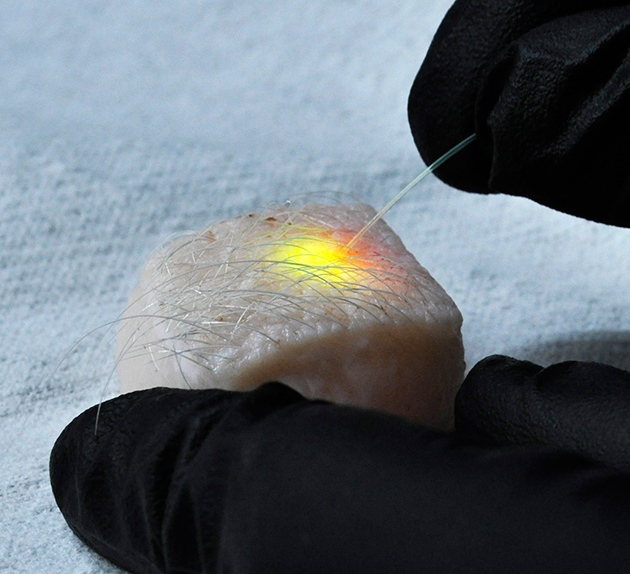
Oil droplets turn cells into tiny lasers
Injecting single cells with spheres of fluorescent dye could open new research and treatment avenues using light.
-
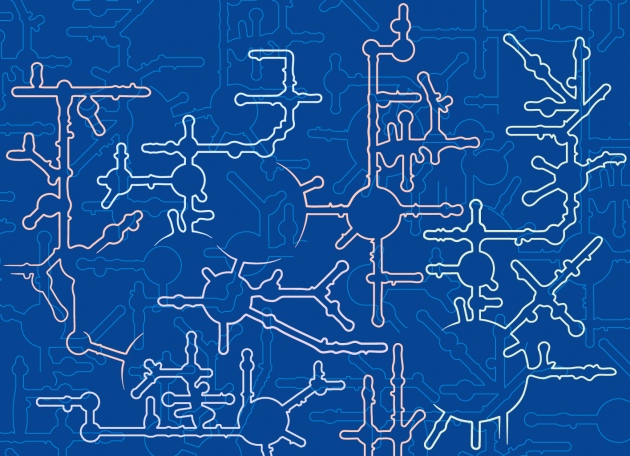
A cellular puzzle: The weird and wonderful architecture of RNA
Cells contain an ocean of twisting and turning RNA molecules. Now researchers are working out the structures — and how important they could be.
-
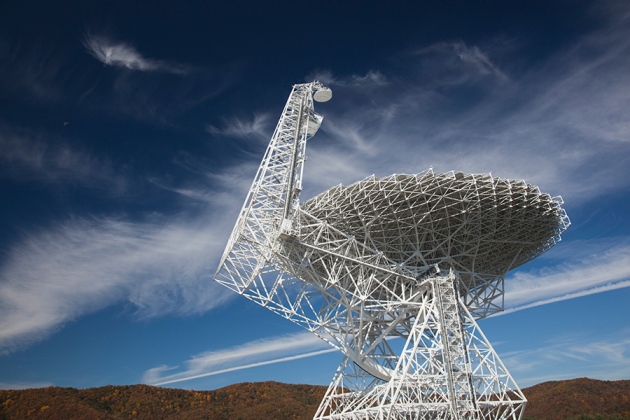
Search for extraterrestrial intelligence gets a $100-million boost
You could say that the silence has been deafening. Since its beginnings more than half a century ago, the dedicated search for extraterrestrial intelligence (SETI) has failed to detect the presence of alien civilizations. But at London’s Royal Society today (20 July), Russian billionaire Yuri Milner announced a shot in the arm for SETI: a…
-
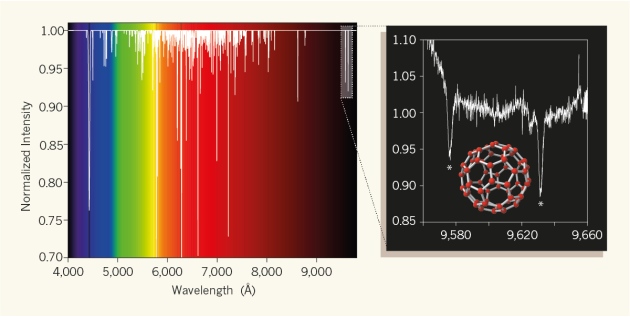
Buckyballs in space solve 100-year-old riddle
Spheres of carbon-60 responsible for mysterious cosmic-light features.
-
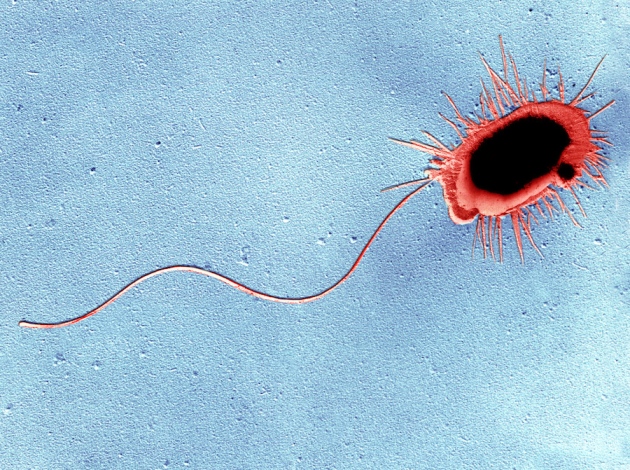
Energetic bacteria form frictionless superfluids
Microbe-filled solutions could be repurposed as small motors under certain conditions.