

Nature News
-

Zombie physics: 6 baffling results that just won’t die
When a scientific result seems to show something genuinely new, subsequent experiments are supposed to either confirm it — triggering a textbook rewrite — or show it to be a measurement anomaly or experimental blunder. But some findings seem to remain forever stuck in the middle ground between light and shadow. Even efforts to replicate…
-
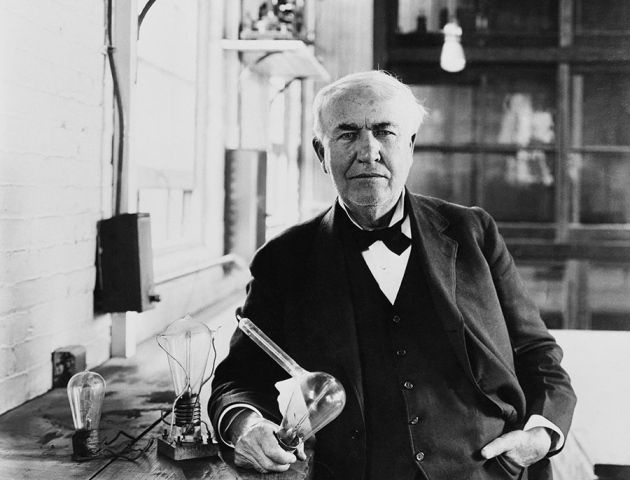
Does innovation always come from science?
Pure science does not always stimulate innovation — rather, technological change often springs naturally from human inventiveness. Writer Matt Ridley makes this provocative point in a 23 October essay in The Wall Street Journal called ‘The Myth of Basic Science’ that fuelled heated and thoughtful responses on social media about the role and benefits of…
-
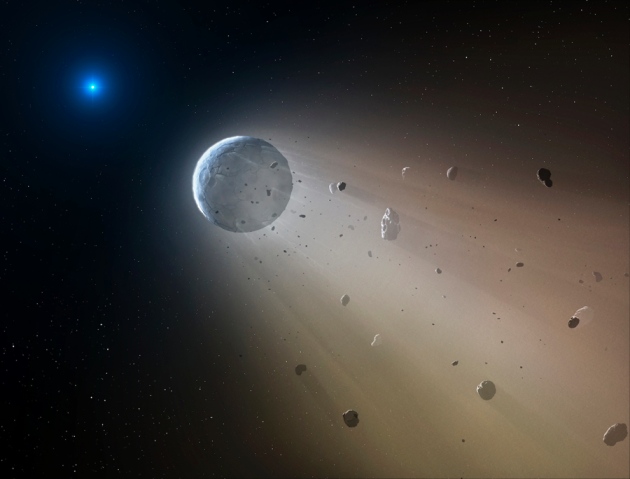
Dead star spotted eating planetary leftovers
The remnants of a destroyed planetary system have been seen orbiting and feeding a dead star — a fate that will probably befall our own Solar System.
-
Vast cosmic voids merge like soap bubbles
Vast regions of near-empty space in the Universe are growing and shrinking, much as bubbles merge and separate in soapsuds, astronomers have discovered.
-
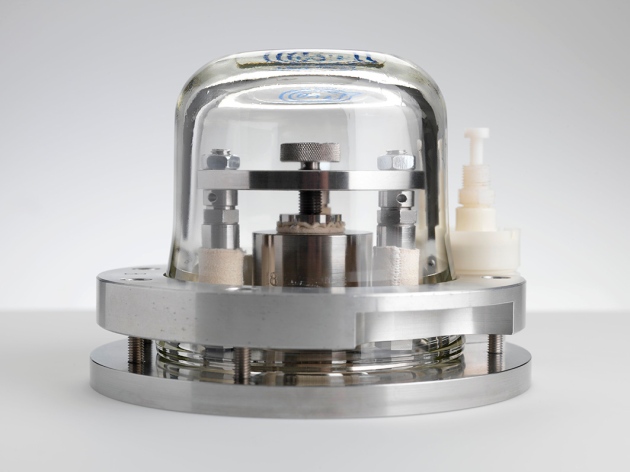
Kilogram conflict resolved at last
For decades, metrologists have strived to retire ‘Le Grand K’ — the platinum and iridium cylinder that for 126 years has defined the kilogram from a high-security vault outside Paris. Now it looks as if they at last have the data needed to replace the cylinder with a definition based on mathematical constants.
-
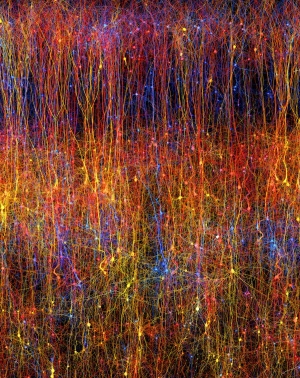
Fragment of rat brain simulated in supercomputer
A controversial European neuroscience project that aims to simulate the human brain in a supercomputer has published its first major result: a digital imitation of circuitry in a sandgrain-sized chunk of rat brain. The work models some 31,000 virtual brain cells connected by roughly 37 million synapses.
-
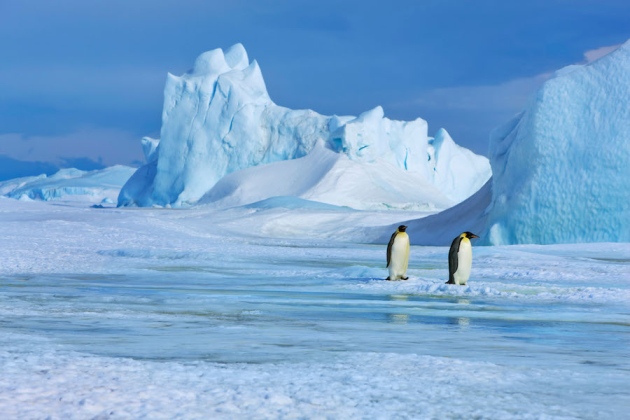
Gains in Antarctic ice might offset losses
So much ice is piling up in the vast expanses of East Antarctica that, overall, it counterbalances the losses seen at glaciers thinning elsewhere on the frozen continent. It will take decades for Antarctic melting to overtake the mass gains and begin contributing substantially to sea-level rise, a new study argues.
-
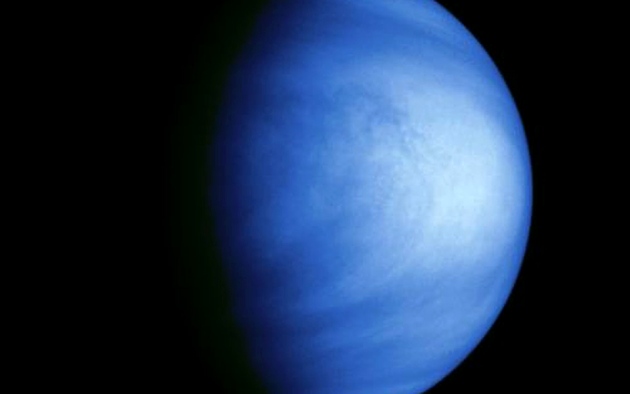
NASA narrows its list of planetary targets
Venus and asteroids have emerged as top destinations for NASA’s future planetary exploration. On 30 September, the agency announced a shortlist of five contenders for its US$500-million Discovery class of missions.
-
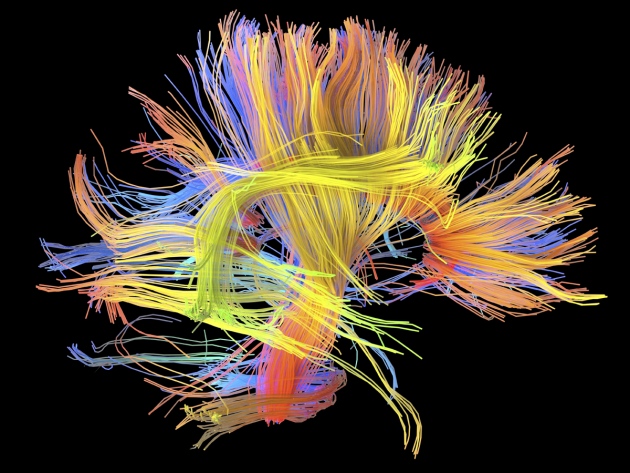
‘Wiring diagrams’ link lifestyle to brain function
Human Connectome Project finds surprising correlations between brain architecture and behavioural or demographic influences.