

Zientzia hedabideetan
-

EU frees up data for science
Scientists in Europe have won a major battle over access to personal health data. A research coalition had worried that draft European Union (EU) legislation would have sharply restricted scientific use of such data. This week, however, scientist-friendly amendments emerged from negotiations between the European Parliament, the European Council, and the European Commissio
-

Thomas Young hizo el experimento más bello de la historia de la física
La teoría de Newton sobre la naturaleza corpuscular de la luz parecía incuestionable; pero llegó Young para demostrarle que estaba equivocado. ¿O no?
-

Horror health warning? Scary films really can curdle the blood
Dutch study finds watching a frightening movie lifts level of protein factor VIII, which contributes to blood clotting
-

Un hueso olvidado durante 25 años apunta a una especie humana desconocida
En 1989 se desenterraron los restos de los hombres de la Cueva del Ciervo Rojo, en China. 25 años después, el análisis de uno de sus fémures ha revelado que fueron una especie fuera de su época.
-
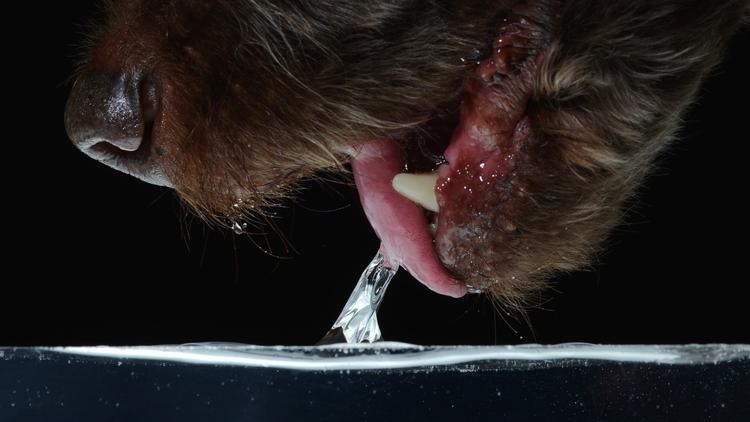
Fluid dynamics on four legs: The brilliance of how dogs drink
The next time your dog heads to his bowl for a drink, take a second to appreciate his mastery of fluid dynamics as he laps up gulp after gulp. Don’t mind the mess he’s probably making — it’s all part of his brilliance.
-

Magnetic mystery of Earth’s early core explained
Geophysicists call it the new core paradox: They can’t quite explain how the ancient Earth could have sustained a magnetic field billions of years ago, as it was cooling from its fiery birth. Now, two scientists have proposed two different ways to solve the paradox. Each relies on minerals crystallizing out of the molten Earth,…
-

Ordenagailu batek hizkiak lehen begiratuan ezagutzea lortu dute
New Yorkeko eta Torontoko Unibertsitateko ikertzaileek diseinatu duten algoritmo baten bidez, ordenagailuak kontzeptu berri bat ezagutzea eta harekin erlazionatutako beste kontzeptu batzuk identifikatzea lortu dute, oso adibide gutxitan oinarrituta.
-

Un nuevo estudio niega que el cáncer sea cuestión de ‘mala suerte’
Hace unos meses, la revista Science publicó un controvertido artículo que sostenía que dos tercios de los cánceres existentes se producen debido a factores aleatorios. Hoy, un nuevo trabajo publicado porNature desmiente esa teoría y demuestra que el peso de los factores externos en el riesgo de que se desarrolle la enfermedad es de entre…
-

Curing Hepatitis C, in an Experiment the Size of Egypt
Six million Egyptians were infected with hepatitis C by unsterile needles during the country’s decades-long fight against schistosomiasis. The virus spread insidiously; today, at least 10 percent of Egyptians, nearly nine million people, are chronically infected, the highest rate in the world. But a grand experiment unfolding across the country may change all that.