

Zientzia hedabideetan
-
An update on a possible new particle from CERN’s Large Hadron Collider
As the LHC gets ready to start up again, two reananlyses of the data already taken look at last year’s intriguing hints…
-
OGT, la enzima que nos hace parar de comer
Investigadores estadounidenses descubren una nueva vía molecular de la obesidad. De momento, sólo han logrado modificarla en ratones.
-
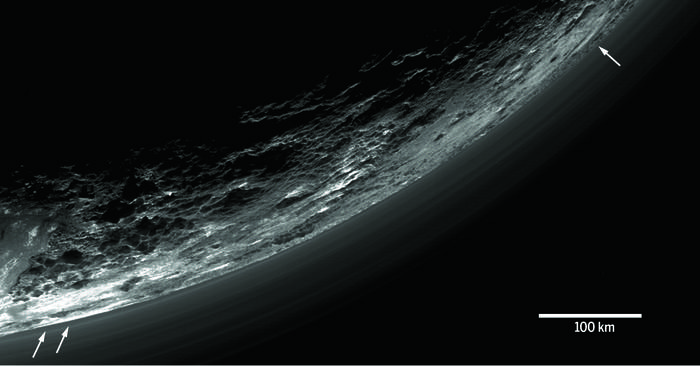
Plutoni eta haren ilargiei buruzko datu berriak
New Horizons misioko datu berriak argitaratu dituzte Science aldizkariko bost artikulutan
-
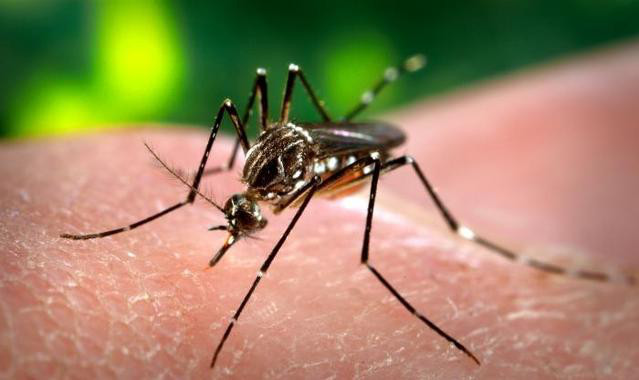
Una vacuna experimental muestra una eficacia del 100% contra el dengue
Investigadores de EE UU han realizado un ensayo clínico con una vacuna que ha demostrado una eficacia del 100% contra las cuatro cepas del virus del dengue, transmitido por el mismo mosquito (Aedes aegypti) que el Zika.
-

Milky Way’s black hole may be spewing out cosmic rays
Mysterious high-energy particles known as cosmic rays zip through space at a wide range of energies, some millions of times greater than those produced in the world’s most powerful atom smasher. Scientists have long thought cosmic rays from inside our galaxy come from supernova explosions, but a new study has fingered a second source: the…
-
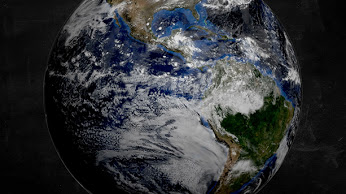
Living factories of the future
Scientists are designing cells that can manufacture drugs, food and materials — and even act as diagnostic biosensors. But first they must agree on a set of engineering tools.
-

Los recuerdos borrados por el alzhéimer pueden recuperarse
Un experimento con ratones rescata su memoria perdida mediante ráfagas de luz en el cerebro
-
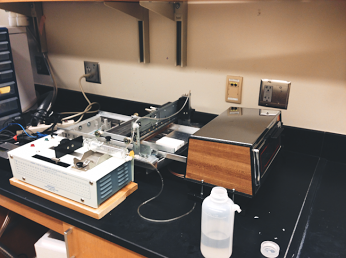
If the World Began Again, Would Life as We Know It Exist?
Experiments in evolution are exploring what would happen if we rewound the tape of life.
-
The Chess Engine that Died So AlphaGo Could Live
The rise of AlphaGo contributed directly to the demise of at least one very interesting chess engine: Giraffe, which was developed by Matthew Lai as part of his advanced computing thesis at Imperial College London.