

Zientzia hedabideetan
-
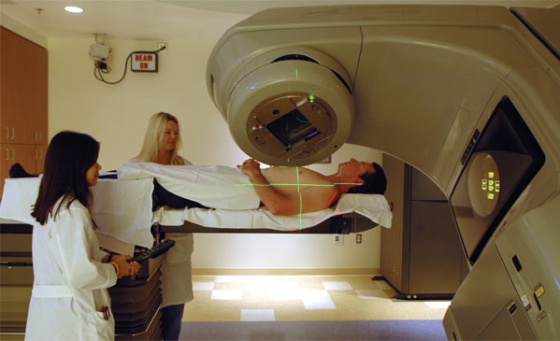
El mayor mapa del cáncer destapa enormes diferencias por países
El mayor mapa mundial de la supervivencia frente al cáncer vuelve a mostrar que el código postal es más importante que el código genético en la salud pública. El trabajo, elaborado por 500 investigadores con datos de 25 millones de pacientes en 67 países, demuestra que el cáncer es mucho más letal en unas regiones…
-
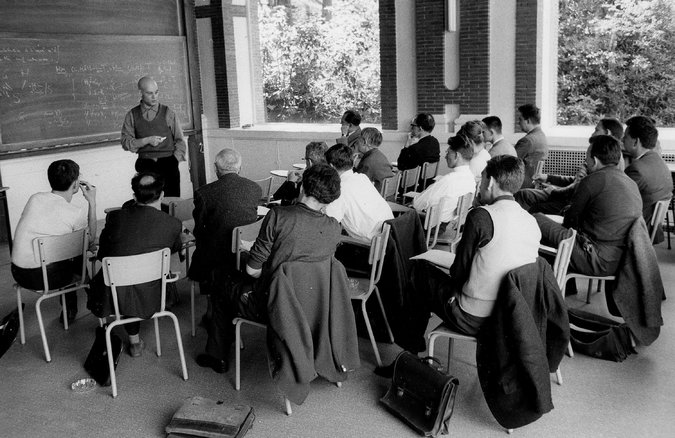
The Lives of Alexander Grothendieck, a Mathematical Visionary
Alexander Grothendieck, who died on Nov. 13 at the age of 86, was a visionary who captivated the collective psyche of his peers like no one else. To say he was the No. 1 mathematician of the second half of the 20th century cannot begin to do justice to him or his body of work.…
-
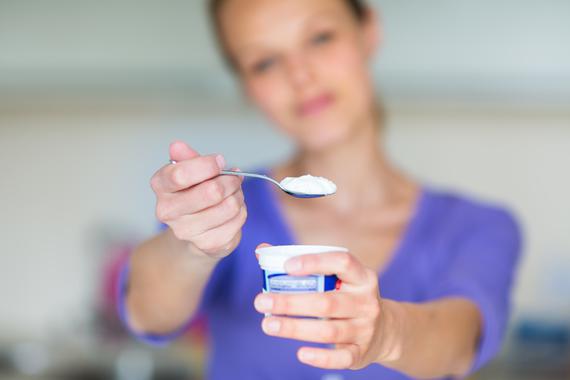
El yogur es el único lácteo que reduce el riesgo de diabetes tipo 2
El consumo de yogur, queso y leche se había relacionado con un menor riesgo de desarrollar diabetes tipo 2. Un nuevo estudio demuestra que únicamente el yogur permite disminuir la probabilidad de padecer la enfermedad gracias, en parte, a las bacterias probióticas que se encuentran en su interior.
-
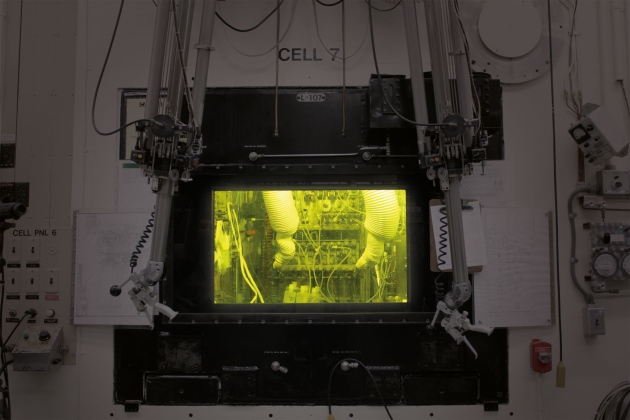
Nuclear power: Desperately seeking plutonium
NASA has 35 kilograms of plutonium-238 to power its deep-space missions — but that will not get it very far.
-
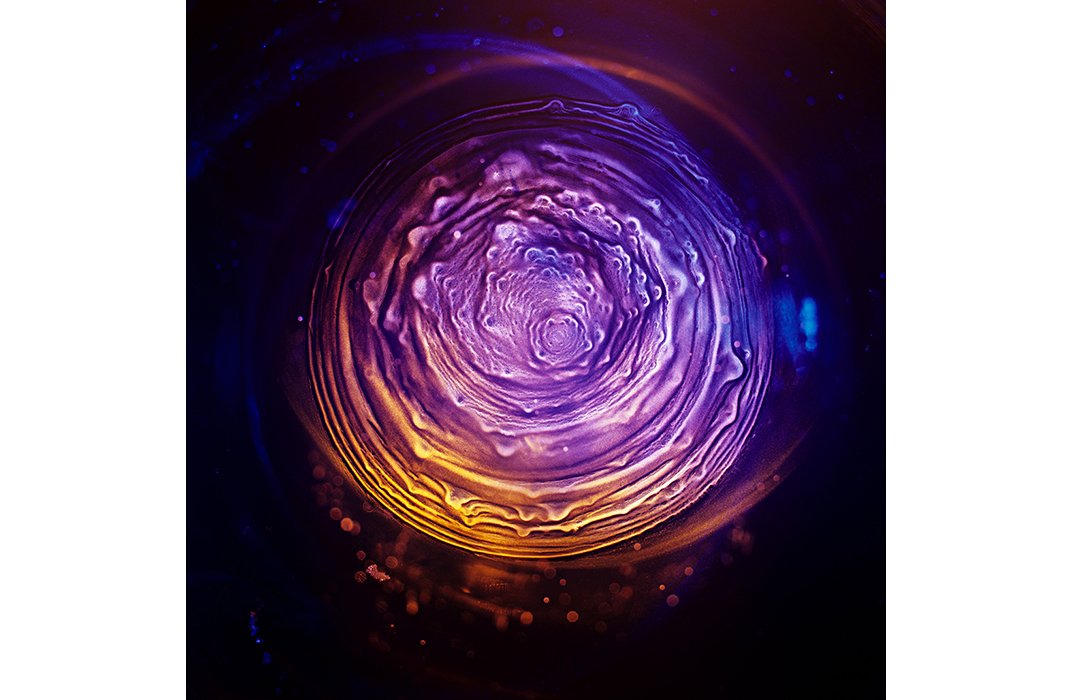
The Physics of Whisky’s Aesthetically Pleasing Residue
A photographer teamed up with scientists to figure out the fluid dynamics behind patterns left in whisky glasses
-
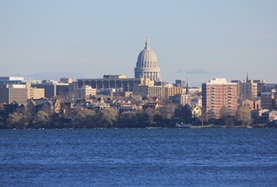
How People Make Summer Hotter
Researchers wired Madison, Wisc., to get a better grasp of the urban heat island effect
-

Warming world could make it harder for planes to take off
Air travel is about to become even more frustrating. Warmer global temperatures will make it tougher for planes to take off, tightening restrictions on just how much luggage or how many people can come aboard, a new study suggests.
-
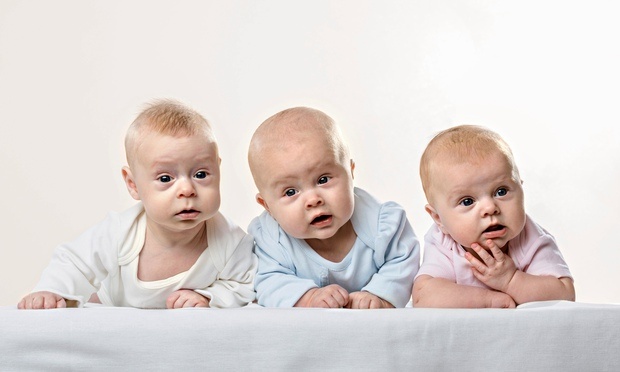
Face blindness – when you can’t recognise a familiar face
In a winning essay for the Wellcome Trust science writing prize, Kate Szell reports on research into prosopagnosia – face blindness
-
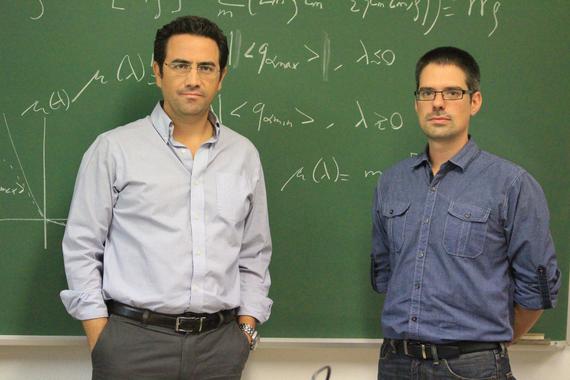
Nuevo modelo teórico de interruptor cúantico mediante simetría
Un equipo internacional de científicos, con participación de la Universidad de Granada, ha descrito cómo la simetría permite controlar el transporte de energía en sistemas cuánticos abiertos, formados por conjuntos de partículas en interacción perturbados por el entorno. El modelo teórico de interruptor cuántico puede ayudar a crear placas solares más eficaces, entre otras aplicaciones.