

Zientzia hedabideetan
-
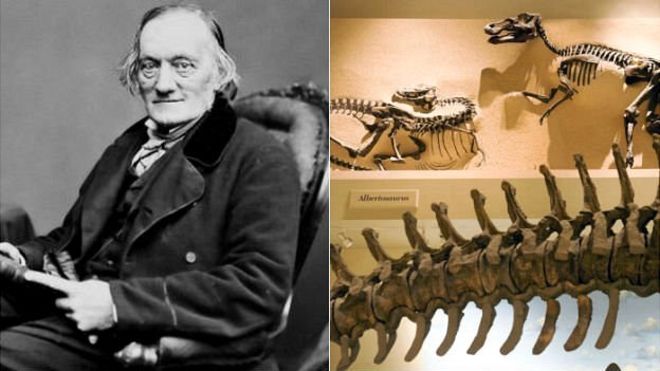
El hombre que inventó la palabra dinosaurio
Recientemente, el científico victoriano que acuñó la palabra “dinosaurio” fue honrado con una placa en la escuela en la que estudió de niño. ¿Pero quién fue Richard Owen?
-
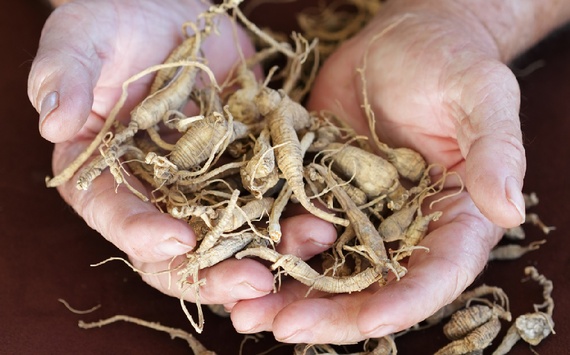
Objects in Brain May Be Bigger Than They Appear
Scientists still don’t know what causes the mysterious Alice in Wonderland Syndrome, in which people, usually children, suddenly see things change size
-
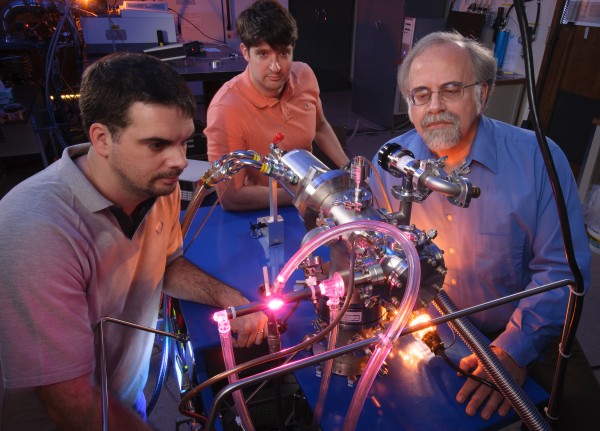
NASA Ames Reproduces the Building Blocks of Life in Laboratory
NASA scientists studying the origin of life have reproduced uracil, cytosine, and thymine, three key components of our hereditary material, in the laboratory. They discovered that an ice sample containing pyrimidine exposed to ultraviolet radiation under space-like conditions produces these essential ingredients of life. – See more at: http://www.astrobio.net/topic/origins/origin-and-evolution-of-life/nasa-ames-reproduces-building-blocks-life-laboratory/#sthash.7JIfVL47.dpuf
-
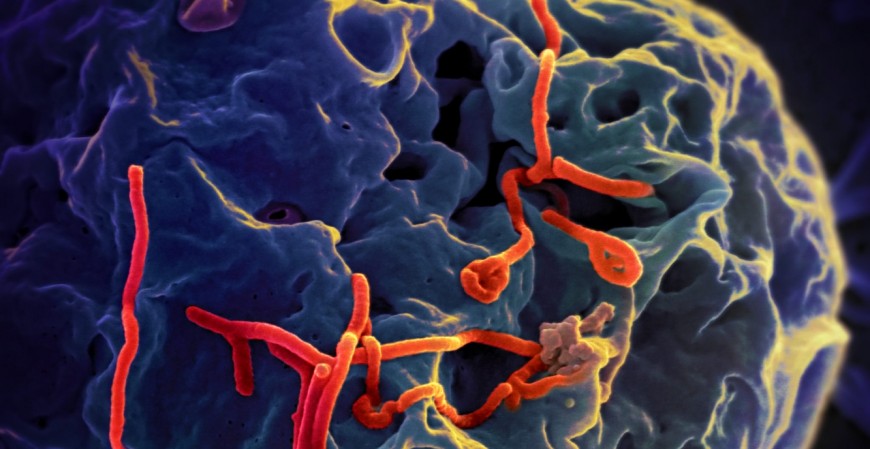
Los botánicos quieren resolver el crimen
Investigadores españoles trabajan para que la botánica sea una disciplina forense reconocida. Además de resolver casos de asesinato, la técnica permite detectar fraudes alimentarios, envenenamientos o el origen de partidas de droga. Así se abre el camino hacia la futura botánica forense española.
-
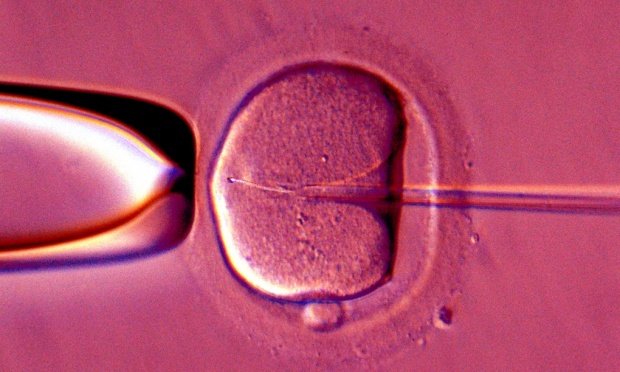
IVF test improves chances of implantation by pinpointing fertility window
Clinical trials underway after scientists in Madrid pioneer technique which hones in on woman’s optimum time for treatment
-
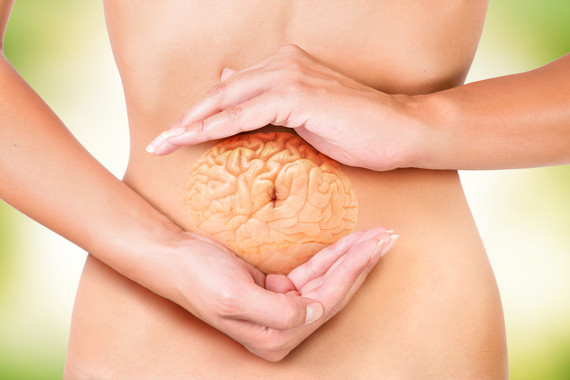
Con el cerebro en las tripas
Desde el nacimiento, millones de bacterias empiezan a colonizar nuestro intestino. Desempeñan un papel fundamental para mantener la salud física pero, además, podrían tener mucho que decir en la personalidad. Modifican el estado emocional, influyen sobre la memoria, el estado de ansiedad e incluso serían clave a la hora de elegir compañía sexual, como apuntan…
-
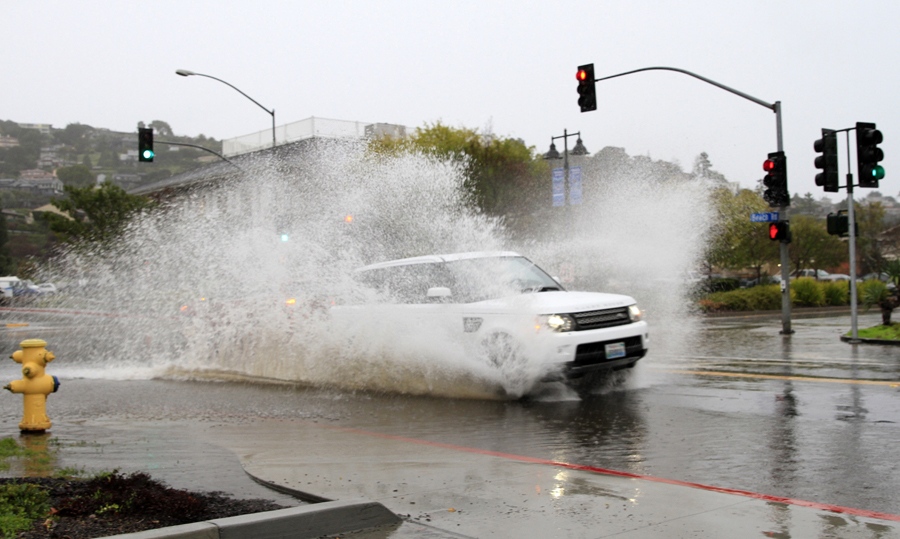
El Niño arrives later and weaker than expected
Long-awaited shift in tropical Pacific will have little effect on weather patterns.
-
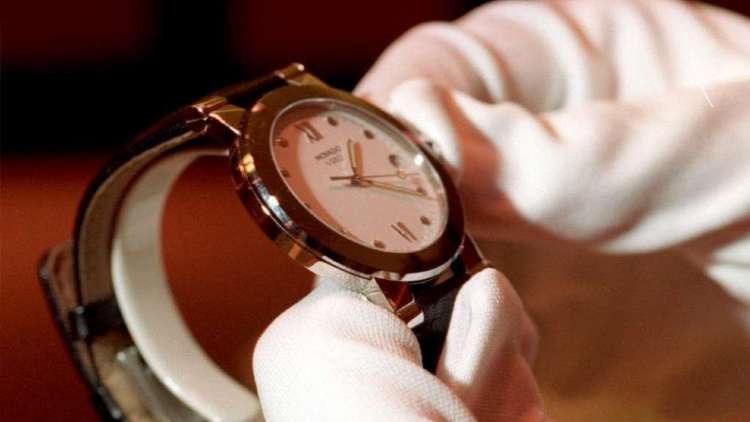
Daylight saving time is one big experiment for scientists
To some people, the transition to daylight saving time means a few days of sleep deprivation, or the chance to leave work before the sky is completely dark. To others, it’s a perfect opportunity to conduct scientific research.
-

The EMBERS Project Can Predict the Future With Twitter
Virginia Tech (VT) offers a glimpse into just how much “big data” has changed the game by magnifying the U.S. intelligence community’s ability to forecast—with phenomenal accuracy—human behavior on a global scale by scouring Twitter, YouTube, Wikipedia, Tumblr, Tor, Facebook and more. VT is using algorithms and a variety of advanced tools to sort through…