

Zientzia hedabideetan
-
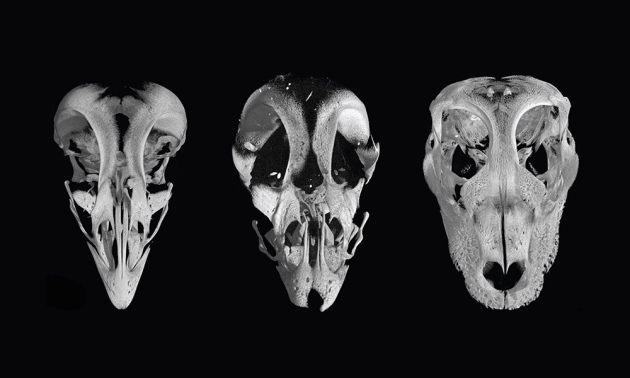
Reverse Engineering Birds’ Beaks Into Dinosaur Bones
Birds evolved from dinosaurs 150 million years ago, a slow but thorough transformation. Their bodies gained aerodynamic feathers, their digits fused into wings, and they acquired a beak used to […]
-

What makes peaceful neighbours become mass murderers
It’s time to ask uncomfortable questions about the brain mechanisms that allow ‘ordinary’ people to turn violent.
-
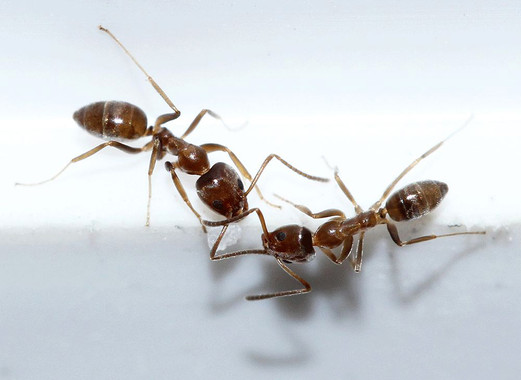
Los movimientos de las hormigas esconden patrones matemáticos
Cuando las hormigas exploran el territorio en busca de alimento acaban eligiendo unas rutas colectivas que se ajustan a distribuciones estadísticas y de probabilidad. Así lo ha demostrado un equipo […]
-
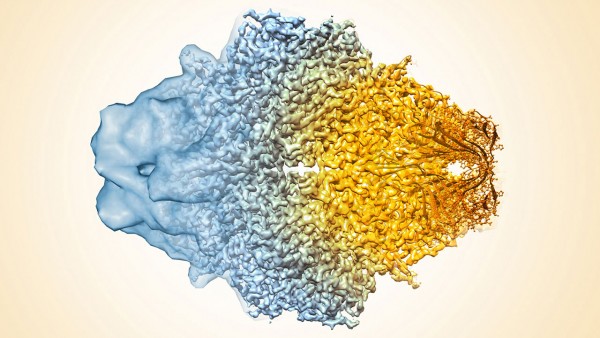
Electron microscopes close to imaging individual atoms
Researchers report that they’ve created the highest ever resolution cryo-EM image, revealing a druglike molecule bound to its protein target at near atomic resolution.
-
¿Y si la estimulación cerebral te vuelve más tonto?
La moda de diseñar dispositivos para mejorar el rendimiento cerebral acaba de recibir un duro varapalo. En un estudio con doble ciego los individuos sometidos a estimulación eléctrica transcraneal empeoraron […]
-

Best Evidence Yet That Black Holes Exist
A team of astronomers has found indirect evidence of a supermassive black hole’s event horizon, providing further proof that these wacky objects actually exist in nature.
-

Microbial gangs are organised killers
It turns out we have misunderstood bacteria. Rather than flying solo, their natural lifestyle is communal. And they can work together with devastating effect.
-

What Do You Think Humans Need to Live Sustainably on Mars?
NASA is striving to create a long-term human presence on Mars, and it wants the public’s input on how to sustain life on our neighboring planet. On Tuesday, the organization […]
-
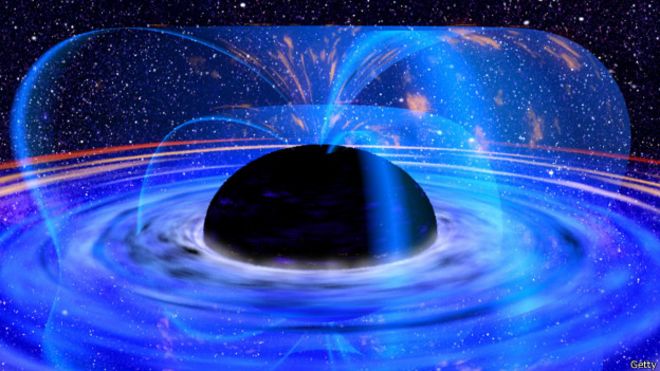
Qué se ve dentro de un agujero negro
Hay algo en los agujeros negros que atrae irremediablemente hacia ellos. Por supuesto, su gravedad es tan fuerte que ni la luz puede eludir su atracción.