

Zientzia hedabideetan
-
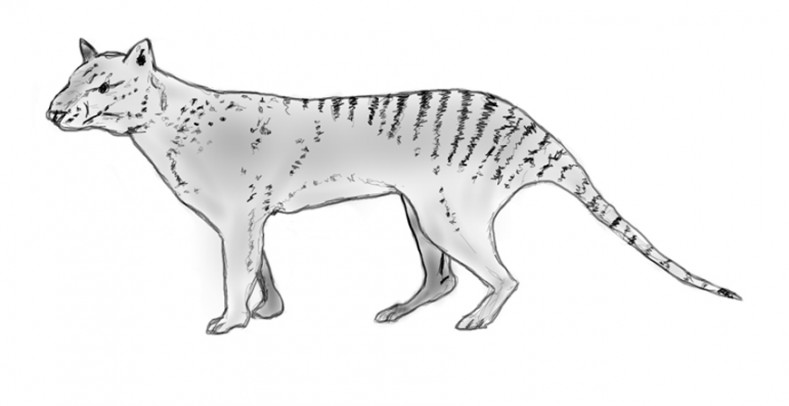
Descubren el primer pez de ‘sangre caliente’
El opah es el primer pez capaz de mantener su temperatura por encima de la del ambiente de forma constante, algo reservado hasta ahora a mamíferos y pájaros. El sistema por el que calienta la sangre es una sorpresa para los biólogos.
-
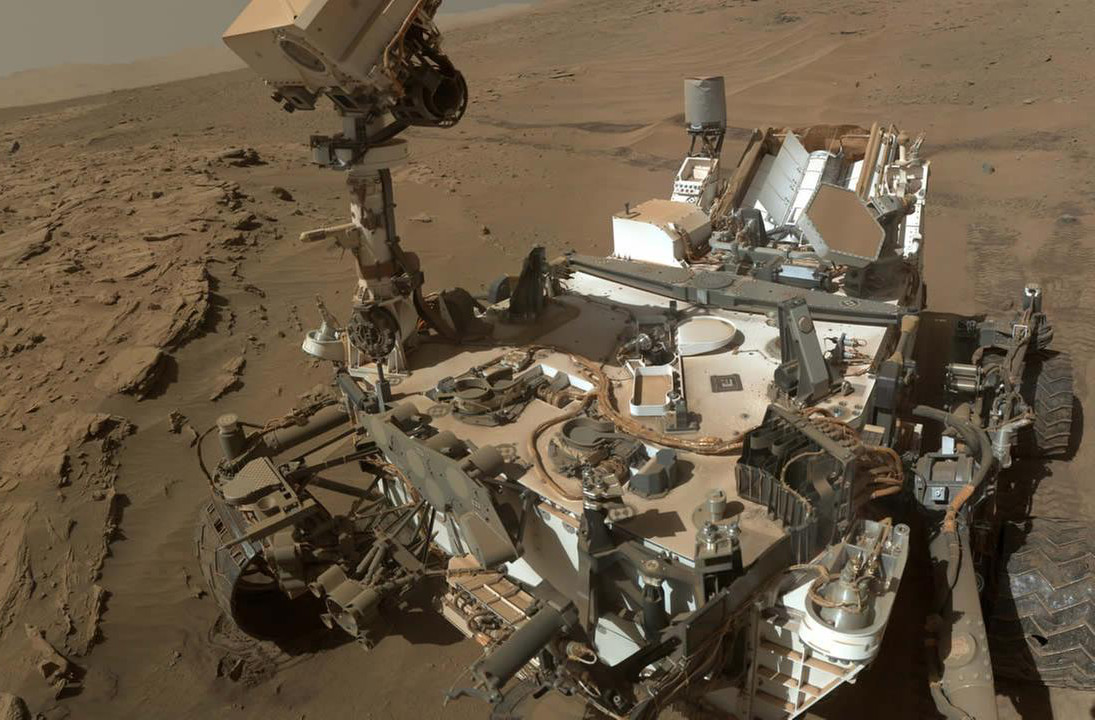
Mystery Methane on Mars: The Saga Continues
A scientist has raised questions about the latest detection of methane on Mars, suggesting that NASA’s rover could be responsible for the mysterious burp. Highly unlikely, but not impossible, says the Curiosity team.
-
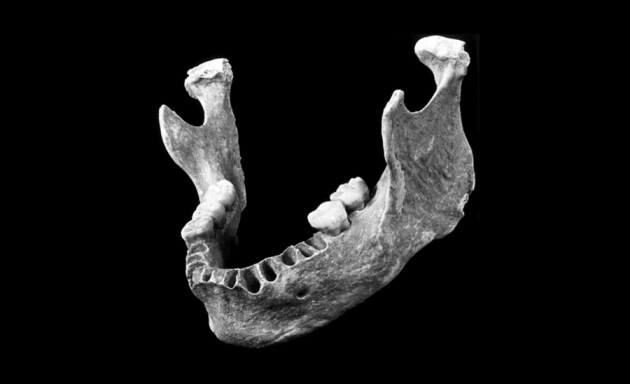
Early European may have had Neanderthal great-great-grandparent
Genome of 40,000-year-old jaw from Romania suggests humans interbred with Neanderthals in Europe.
-

Cuando los algoritmos crean recuerdos que no existen
El cerebro modifica continuamente los recuerdos en función de las experiencias presentes, un comportamiento que ahora imita la inteligencia artificial. Pasado, presente y futuro tienen otro sentido.
-
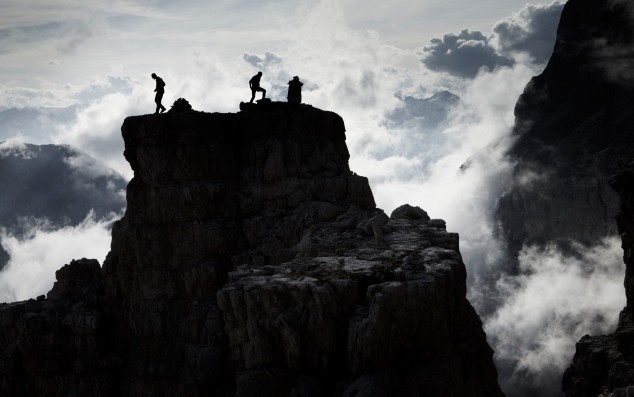
A higher plane
For centuries, altitude sickness thwarted our attempts to reach sacred heights. What mysterious force repelled us?
-
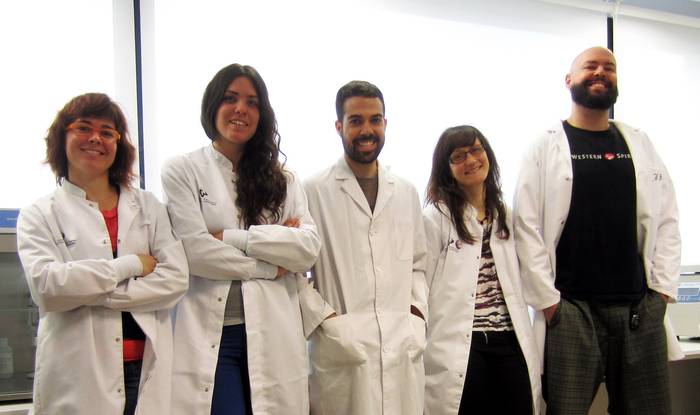
Epilepsiak neurona berrien sorkuntza murrizten du
Epilepsiak neurona berriak sortzea oztopatzen duela frogatu dute Achucarro neurozientzien ikerketarako euskal ikerketa-zentroko ikertzaileek. Saguetan ikusi dute, epilepsiak eragiten duen hiperaktibitate neuronalaren ondorioz, hipokanpoko zelula ama neuralek neurona berriak sortzeari uzten diotela.
-

Seasonal Genes
Gene expression varies not only during the day but also throughout the year, a study shows.
-
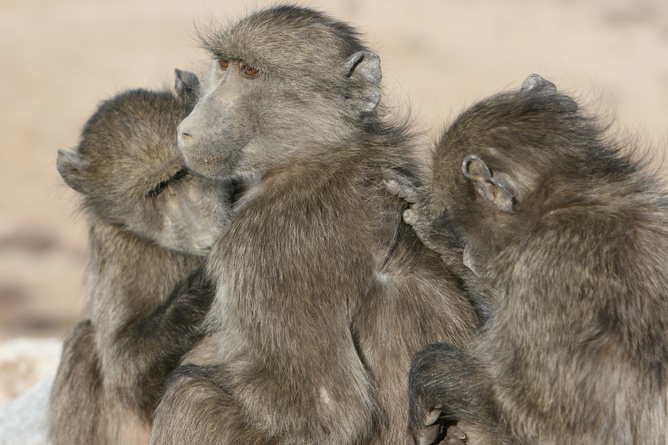
Here’s what baboons can teach us about social media
“Birds of a feather flock together” is a saying that exists in a number of different languages. “Gambá cheira gambá” (opossums smell other opossums) in Brazilian Portuguese is a particularly colourful example. The reason is that like-minded people like to hang out together across many cultures. And it seems the same is true of baboons.
-
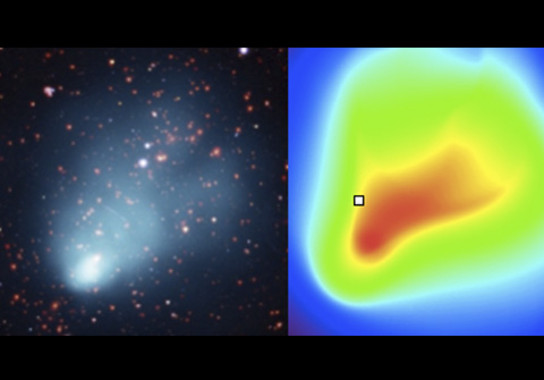
Simulaciones de ‘El Gordo’ plantean nuevas teorías sobre la materia oscura
El mayor cúmulo de galaxias conocido, denominado ‘El Gordo’, ha servido de base para la simulación de colisiones efectuada por dos investigadores de las universidades del País Vasco y la Nacional de Taiwan. Los resultados desafían la idea de que la materia oscura esté compuesta de partículas pesadas, como consideran otros científicos.