

Zientzia hedabideetan
-
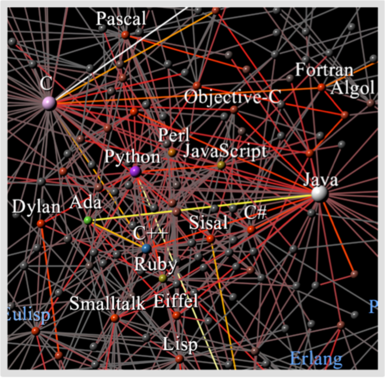
Un modelo recoge cómo evolucionan los lenguajes de programación
¿Es la evolución cultural similar a la evolución biológica? Es la cuestión que se plantean científicos de la Universidad Pompeu Fabra y del ICREA en un artículo. El equipo de investigadores ha estudiado la evolución natural y casi biológica de los lenguajes de programación, y revelan que su evolución va hacia una comunicación hombre-máquina más…
-

Homo generoa baino lehenagoko harrizko tresnak aurkitu dituzte
Inoizko harrizko tresnarik zaharrenak aurkitu dituzte Kenian. 3,3 milioi urte dituzte, orain arte ezagutzen zirenak baino 700.000 urte gehiago. Zein espeziek eginak diren ez dakiten arren, aurkikuntza honek erakusten du homininoak uste baino askoz lehenago hasi zirela tresnak egiten, lehen Homoak agertu baino lehen, hasi ere.
-

Cuánto puede afectar El Niño el precio de lo que comemos
El fenómeno de El Niño, pronosticado para este año, podría afectar los mercados de alimentos a nivel global. Si se manifiesta con fuerza, puede provocar un aumento en los alimentos básicos como el arroz, el café, el azúcar y el cacao, según explicaron científicos.
-
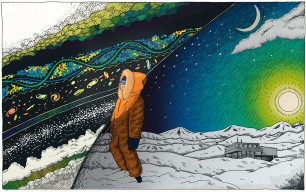
In the beginning
The science of cosmology has achieved wonders in recent centuries. It has enlarged the world we can see and think about by ontological orders of magnitude. Cosmology wrenched the Earth from the centre of the Universe, and heaved it, like a discus, into its whirling orbit around one unremarkable star among the billions that speed…
-
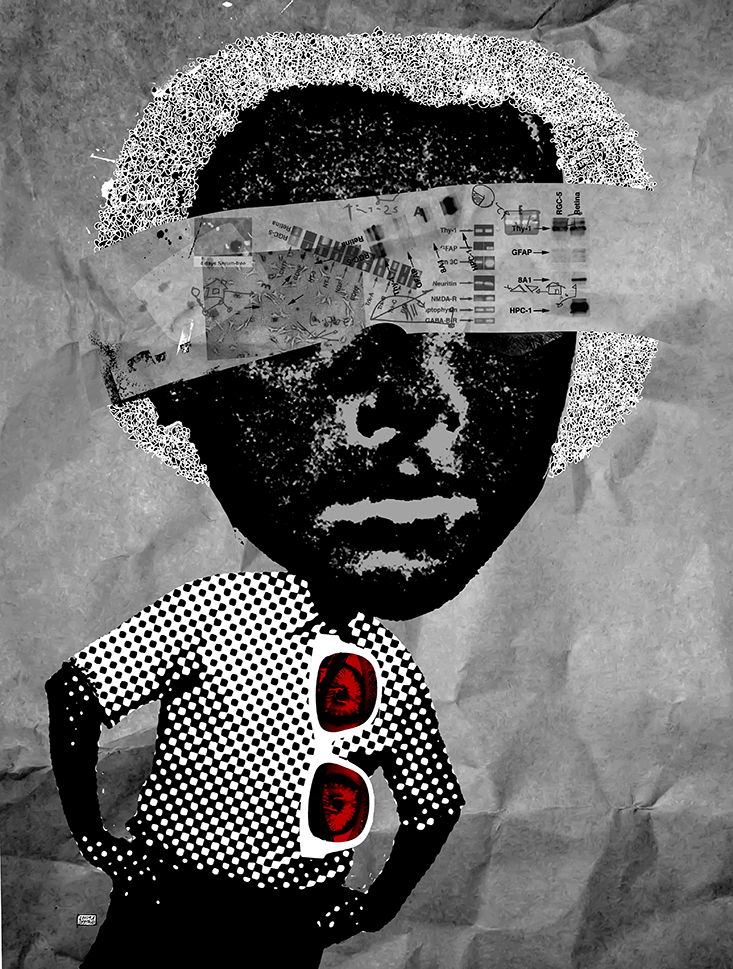
How the Biggest Fabricator in Science Got Caught
Today he stands alone as the record-holder for most retractions by a single author, at a breathtaking 183, representing roughly 7 percent of all retracted papers between 1980 and 2011. His story represents a dramatic fall from grace, but also the arrival of a new dimension to scholarly publishing: Statistical tools that can sniff out…
-
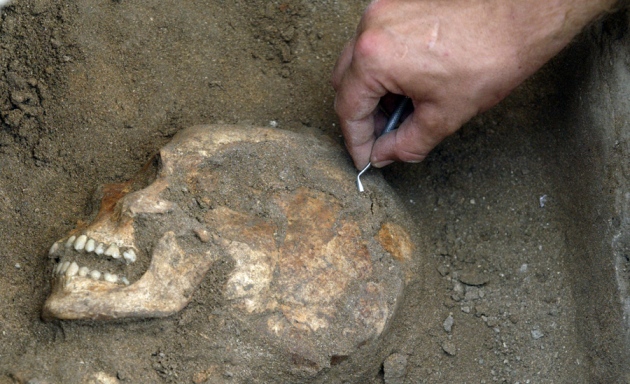
Alzheimer’s origins tied to rise of human intelligence
The study finds evidence that 50,000 to 200,000 years ago, natural selection drove changes in six genes involved in brain development. This may have helped to increase the connectivity of neurons, making modern humans smarter as they evolved from their hominin ancestors. But that new intellectual capacity was not without cost: the same genes are…
-
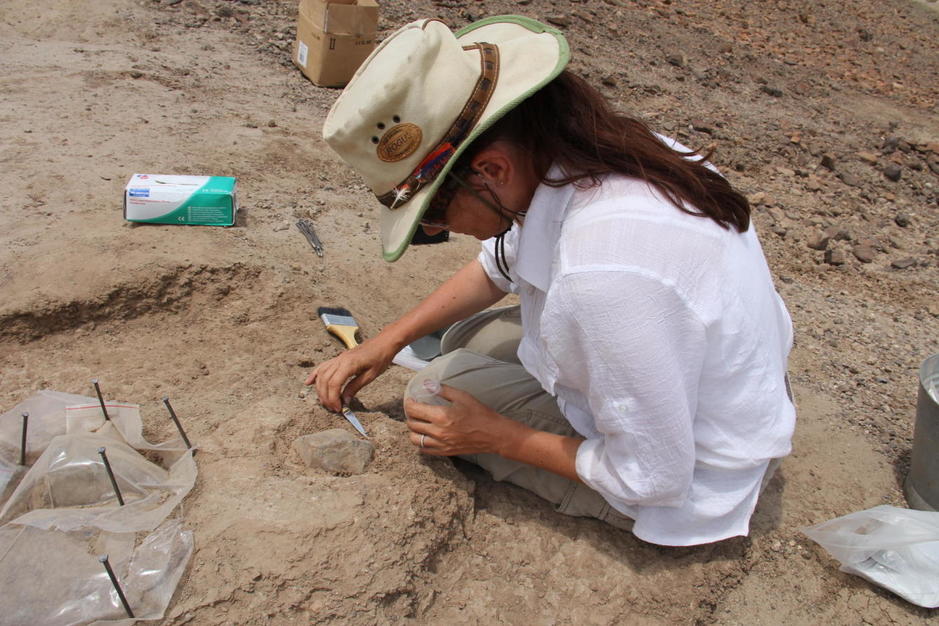
La tecnología más antigua que conocemos no es humana
“El autor fue un hominino [primates homínidos de postura erguida y locomoción bípeda a los que pertenecemos], pero de momento no es posible determinar cuál”. Esto supone la primera evidencia de que un grupo anterior de protohumanos, primos del actual Homo sapiens, tuvo la inteligencia necesaria para fabricar utensilios con bordes afilados.
-
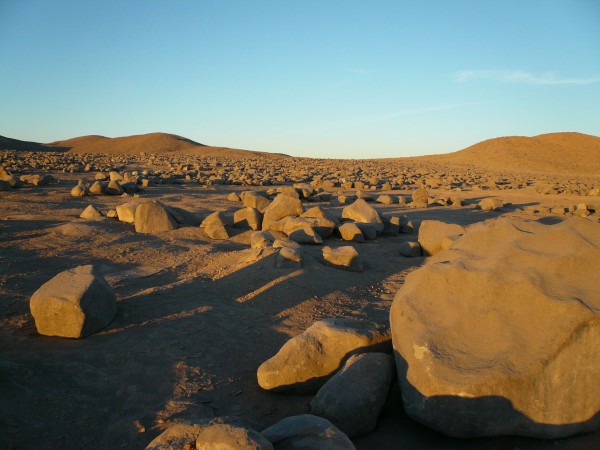
Driest Place on Earth Hosts Life
Researchers have pinpointed the driest location on Earth in the Atacama Desert, a region in Chile already recognised as the most arid in the world. They have also found evidence of life at the site, a discovery that could have far-reaching implications for the search for life on Mars.
-

No more dieting, and 7 other things we do differently after reporting on health care
Before we started reporting on health, we had no medical training. We came at this beat with fresh eyes and lots of questions. More than ever, we appreciate how complex — and sometimes opaque — medicine can seem. This daily study has deepened our understanding, and here we wanted to share some of what we learned…