

Zientzia hedabideetan
-
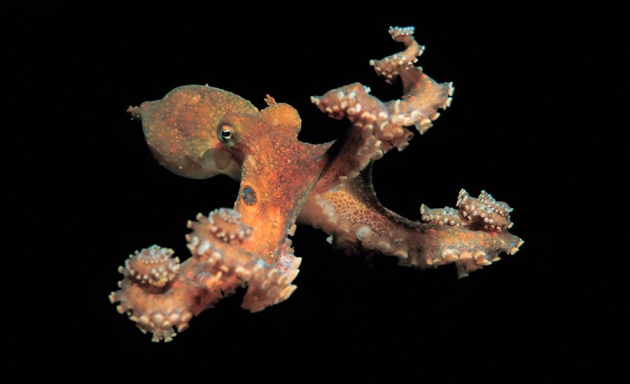
Octopus genome holds clues to uncanny intelligence
With its eight prehensile arms lined with suckers, camera-like eyes, elaborate repertoire of camouflage tricks and spooky intelligence, the octopus is like no other creature on Earth. Added to those distinctions is an unusually large genome that helps to explain how a mere mollusc evolved into an otherworldly being.
-
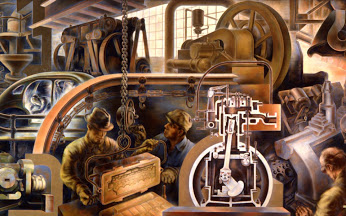
Friction Fighters
Vuletic and his lab group spent years setting up this maze of a room in order to study technology so new we’re not quite sure if it really exists yet: quantum computing. But when he realized that their experiment could do much more, his curiosity sent him on an unexpected detour. “We could study friction…
-

¿Cuáles son los límites de la visión humana?
Mira a tu alrededor. ¿Qué ves? Los colores, las paredes, las ventanas… son obviedades que están allí. Por eso quizá te resulte raro pensar que vemos lo que vemos gracias a las partículas de luz –llamadas fotones- que rebotan en estos objetos y llegan a nuestros ojos.
-
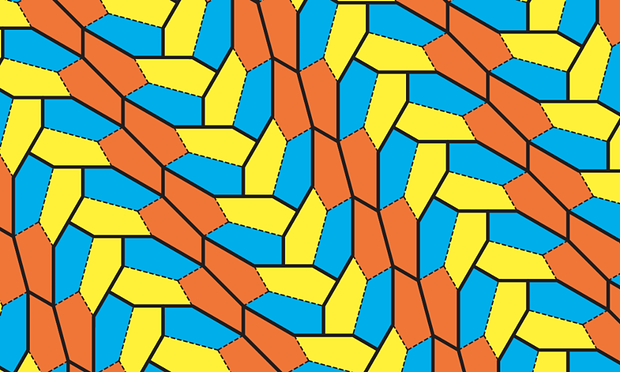
Attack on the pentagon results in discovery of new mathematical tile
Joy as mathematicians discover a new type of pentagon that can cover the plane leaving no gaps and with no overlaps. It becomes only the 15th type of pentagon known that can do this, and the first discovered in 30 years
-
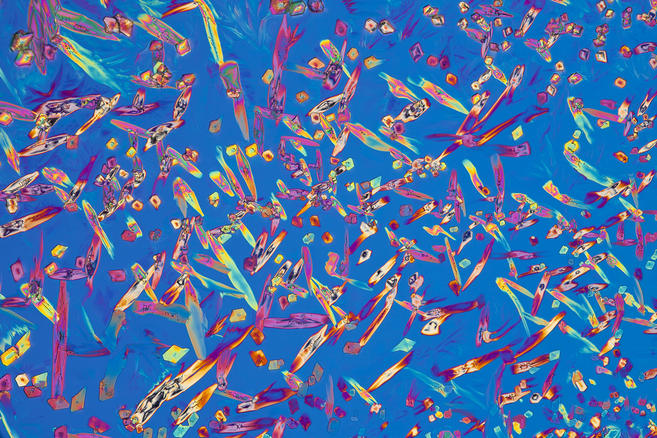
Why the building blocks in our cells turned to the left
Amino acids could have become “left-handed” on a journey through space. Viviane Richter explains.
-
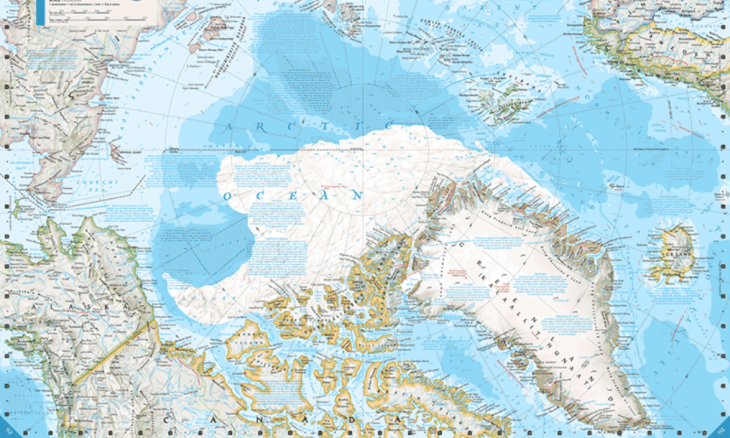
Watch How Much National Geographic Has Redrawn Its Atlas Because of the Melting Arctic
Last week, President Obama unveiled the final draft of sweeping new rules to limit emissions from the nation’s power plants. In his speech, he underlined the urgency of climate change by noting that National Geographic had redrawn its atlas due to melting ice.
-
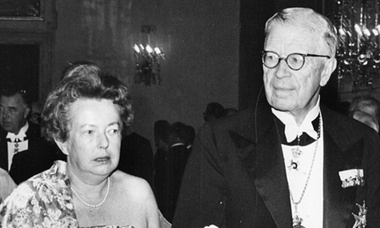
Nobel Prizes in science: strictly a man’s game?
A new play examines why less than 3% of Nobel laureates in science are women –and highlights the stories of a few of those who have succeeded
-
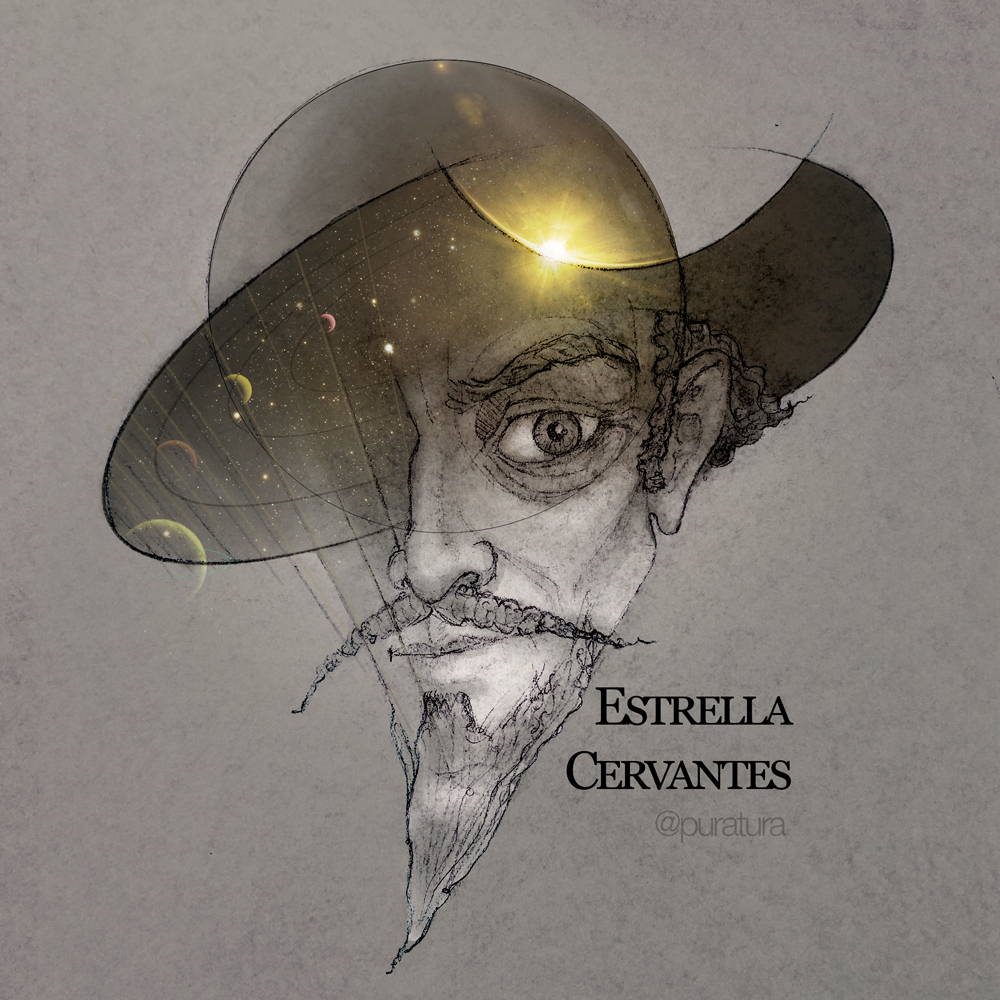
#YoEstrellaCervantes Objetivo: llamar Cervantes a una estrella
Comienzan las votaciones para llamar Cervantes a una estrella y personajes del Quijote a sus planetas. La propuesta se decide en una votación mundial para todo el público a través de internet
-
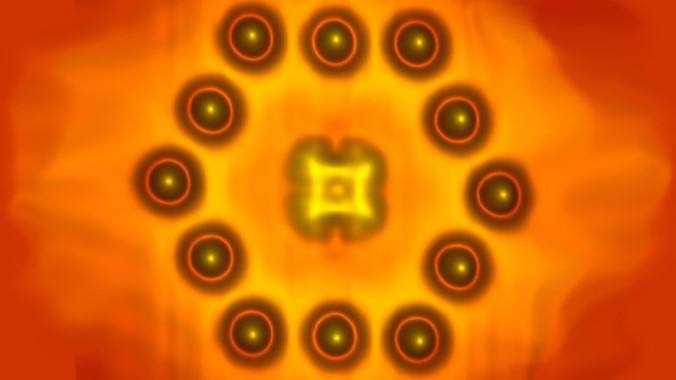
Fabrican un transistor con una molécula y un puñado de átomos
Con una molécula de ftalocianina, unos pocos átomos de indio –un metal poco abundante– y la ayuda de un microscopio de efecto túnel se puede construir un nanotransistor. Así lo demuestra un estudio internacional en el que un español del instituto Paul-Drude de Berlín figura como primer autor. El científico también ha creado una aplicación…