

Zientzia hedabideetan
-
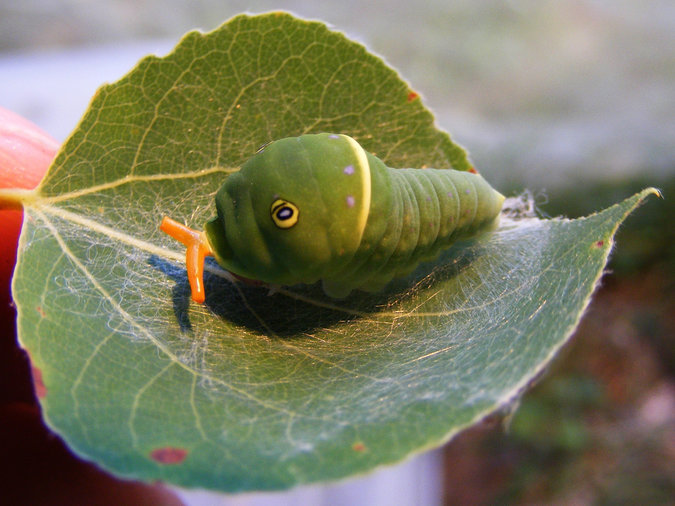
Evolving a Defense, Mimics Save Themselves
The Canadian tiger swallowtail caterpillar is a plump green creature that spends all its time munching leaves. It ought to be an easy meal for a bird, yet many birds pass it by. The caterpillar is protected by a remarkable defense, researchers have found: It tricks birds into thinking it’s a snake.
-

New electric storage material could put more zip in your Tesla
The next electric car you buy might have a little extra zip. That’s because researchers have developed a new electric storage material that’s among the best at holding large amounts of charge as well as charging and discharging in just seconds. Moreover, because the starting materials for making it are commercially available and relatively cheap,…
-

Un algoritmo predice el movimiento de los ojos
Investigadores del Centro Singular de Investigación en Tecnoloxías da Información, en Santiago de Compostela, han desarrollado un algoritmo para anticipar las zonas de una imagen a las que dirigirá su mirada un espectador, además de reducir su exceso de información. Este modelo de atención visual lo podrían aplicar algunas empresas de publicidad en sus anuncios.
-

Cinco momentos cruciales para la ciencia que no ocurrieron como piensas. Noticias de Tecnología
Algunos de los instantes más importantes en la historia de la ciencia sucedieron de una forma diferente… o no tuvieron lugar en absoluto. El tiempo ha transformado estas anécdotas en leyenda.
-

The human ‘superpredator’ is unique — and unsustainable, study says
A new study that examined more than 2,000 predator-prey interactions in populations around the globe has found that humans don’t only kill top carnivores at a rate far higher than all other top predators combined, but that our particular hunting behaviors are so devastating to species on land and sea that they challenge these populations’…
-

Dos experimentos se adentran en el lado oscuro del universo
Esta semana dos grupos de investigación presentan nuevos avances para identificar los misteriosos componentes de la energía y materia oscuras que, en conjunto, constituyen el 95% de nuestro universo. Un equipo ha usado un interferómetro atómico para acotar la búsqueda de camaleones, partículas hipotéticas capaces de cambiar su masa según el entorno. El otro se…
-

The cannabis experiment
As marijuana use becomes more acceptable, researchers are scrambling to answer key questions about the drug.
-
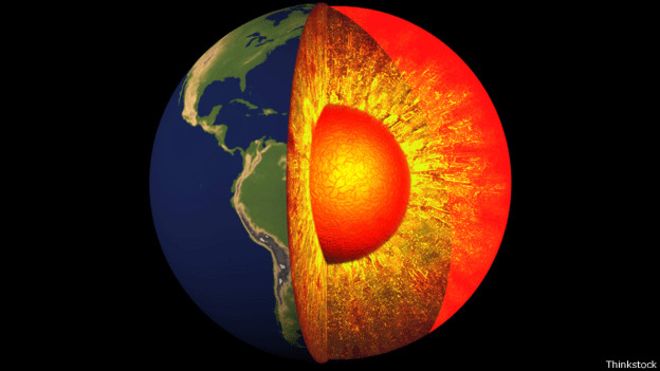
¿Cómo sabemos qué hay en el centro de la Tierra?
Los humanos hemos visitado casi todos los rincones de la Tierra. Hemos viajado a la Luna. Pero nunca hemos llegado al núcleo del planeta.
-

Solar System formation don’t mean a thing without that spin
New work from Carnegie’s Alan Boss and Sandra Keiser provides surprising new details about the trigger that may have started the earliest phases of planet formation in our solar system. It is published by The Astrophysical Journal.