

Zientzia hedabideetan
-
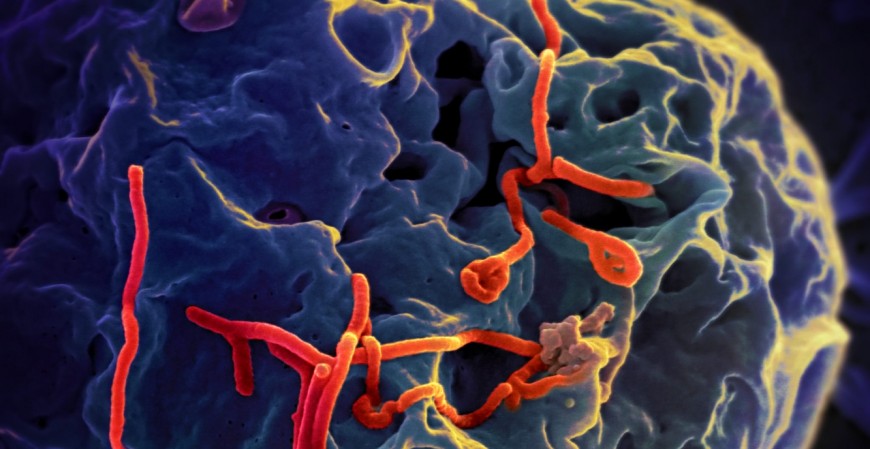
Si quemáramos todo el combustible fósil, el mar subiría 60 metros
Un equipo de investigadores realiza un modelo para prever la evolución del clima en los próximos miles de años. Si la placa de hielo de la Antártida occidental llega a […]
-

Kirigamia, papera moztearen artea, eguzki-panelen eraginkortasuna hobetzeko
Eguzki-panelek eguzkiari jarraitzeko teknika berri bat proposatu dute Michigango Unibertsitateko ikertzaileek. Kirigami deitu diote teknikari, papera moztearen arte japoniar horretan oinarritua dagoelako. Nature Communications aldizkarian argitaratu dute lana.
-
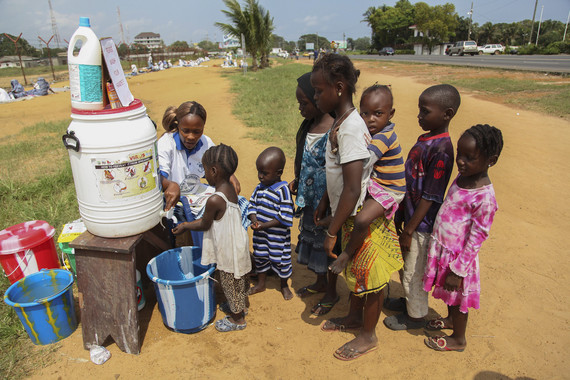
La mortalidad infantil se ha reducido más de la mitad desde 1990
La Organización Mundial de la Salud ha hecho público hoy un informe que muestra cómo la tasa de muerte infantil ha disminuido más de la mitad desde 1990. Aun así […]
-

Sex, Drugs, and Women’s Desire
There may be other ways to boost sexual desire than the new pill, Addyi.
-
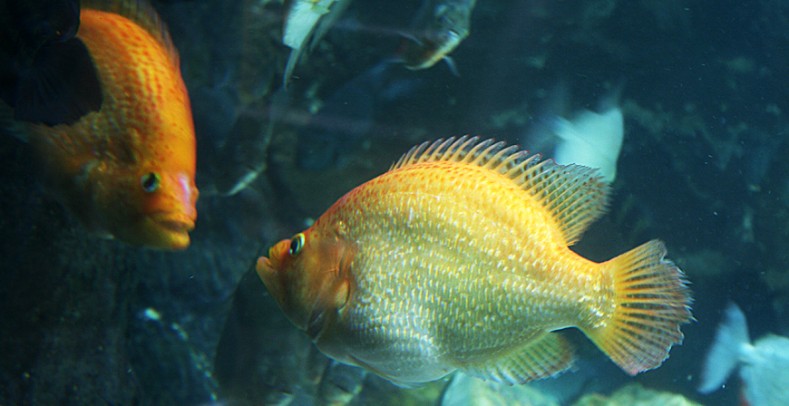
Los cachalotes aprenden dialectos locales
Un estudio demuestra que estos animales son capaces de transmitir conocimientos a través del aprendizaje cultural, igual que hacemos los humanos.
-

An Astrobiologist Asks a Sci-fi Novelist How to Survive the Anthropocene
Kim Stanley Robinson imagines our future.
-
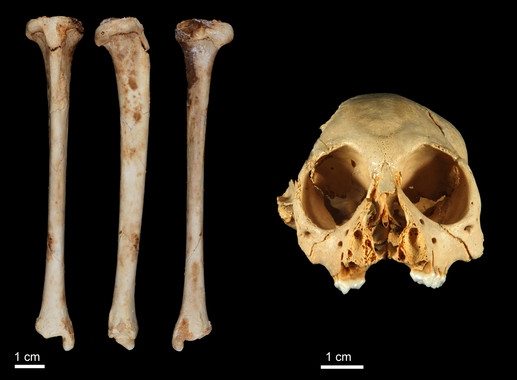
Descubierto un mono en el Caribe de hace un millón de años
La especie de monos Antillothrix bernensis habitaba el Caribe hace un millón de años. Así lo ha determinado un equipo internacional de científicos gracias a la recuperación de una tibia […]
-
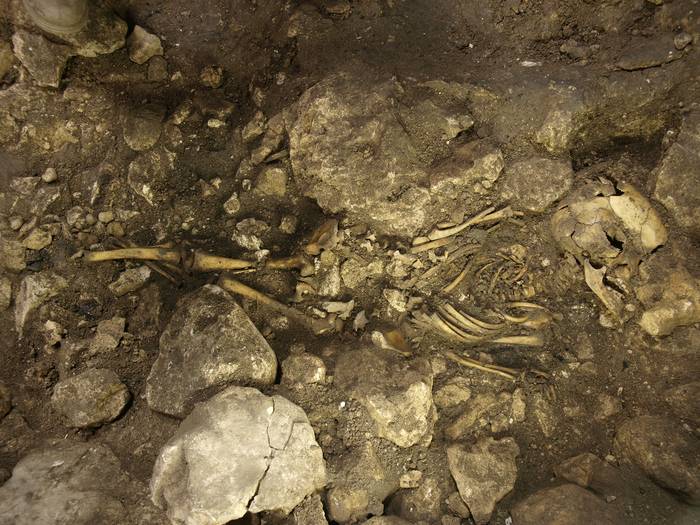
Euskaldunon jatorria, Iberiar penintsulako lehen nekazariekin erlazionatua
Uppsala Unibertsitateak gidatutako nazioarteko ikerketa-talde batek frogatu duenez, gaurko euskaldunen jatorri genetikoa Iberiar penintsulako nekazari zaharrenekin erlazionatuta dago. Hain zuzen ere, duela 3.500-5.500 urte Atapuercan bizi ziren zortzi gizakiren genomak […]
-
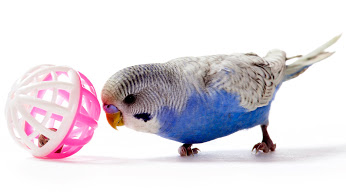
Every living thing
Why shower precious resources on rescuing individual animals while habitats are destroyed and whole species disappear?