

Nature News
-

Fjords soak up a surprising amount of carbon
Although fjords account for about 0.3% of Earth’s surface area, they sequester 18 million tonnes of carbon per year — 11% of the total absorbed by marine sediment, researchers report on 4 May inNature Geoscience.
-
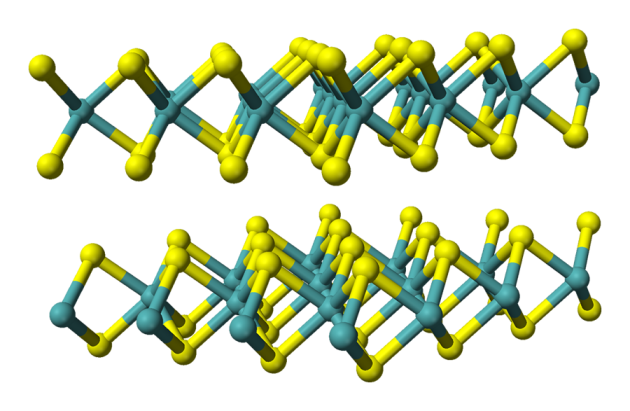
Batches of ultra-thin transistors made from 2D materials
Materials scientists have devised a way to grow single layers of a promising class of 2D semiconductor on silicon wafers that are 10 centimetres across — all the while maintaining the impressive electronic properties seen in smaller samples1. They used the films to make hundreds of transistors, which tests showed worked in 99% of cases.
-
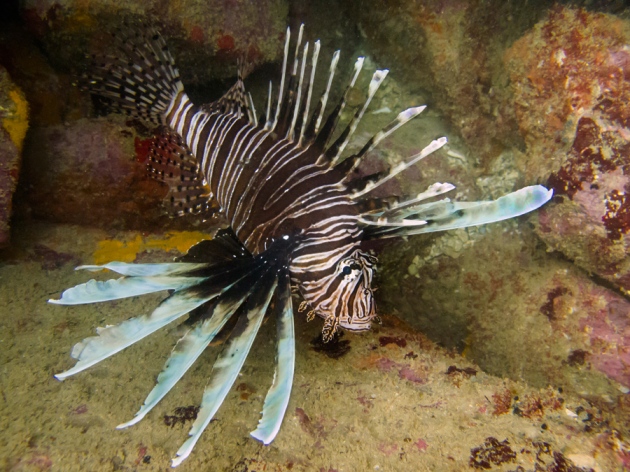
Invasive lionfish discovered in Brazil
Lionfish have overwhelmed ecosystems in the Gulf of Mexico and the Caribbean over the past three decades, eating or out-competing native species in what has been called the worst marine invasion ever. Now the fish seem to have extended their range to South America.
-
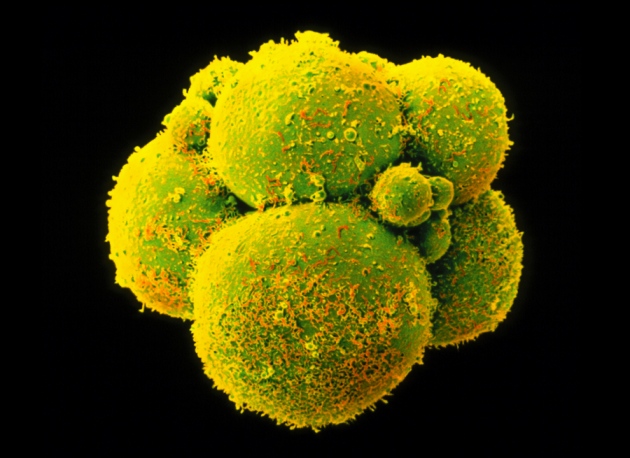
Chinese scientists genetically modify human embryos
In a world first, Chinese scientists have reported editing the genomes of human embryos. The results are published in the online journal Protein & Cell and confirm widespread rumours that such experiments had been conducted—rumours that sparked a high-profile debatelast month about the ethical implications of such work.
-
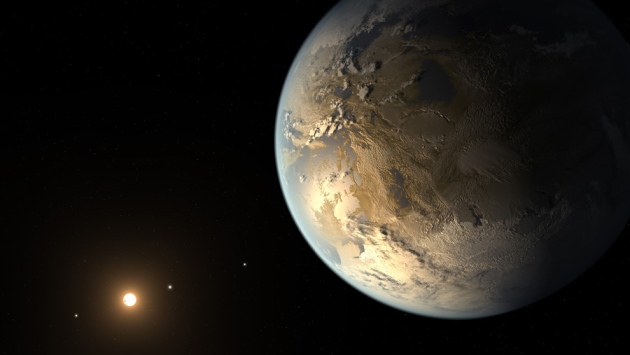
Climate scientists join search for alien Earths
The hunt for life beyond the Solar System is gaining new partners: NASA climatologists. After more than 30 years of studying Earth, a team at the NASA Goddard Institute for Space Studies (GISS) in New York will adapt its global climate model to simulate conditions on potentially habitable exoplanets. The effort is part of a…
-
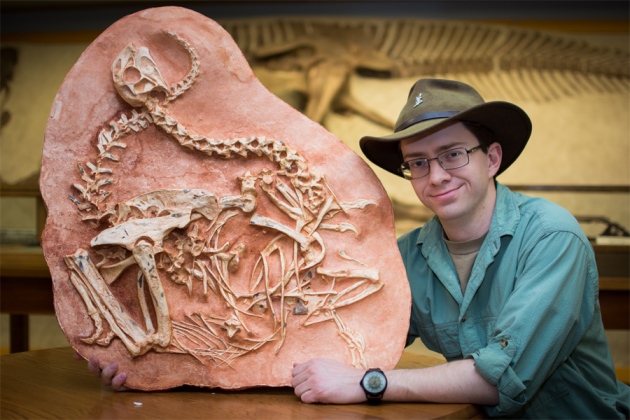
Tails tell the tale of dinosaur sex
Researchers think they have come up with a way to tell fossils of male dinosaurs from those of females — at least for some small feathered species. The key differences between the sexes lie in bones near the base of the tail.
-
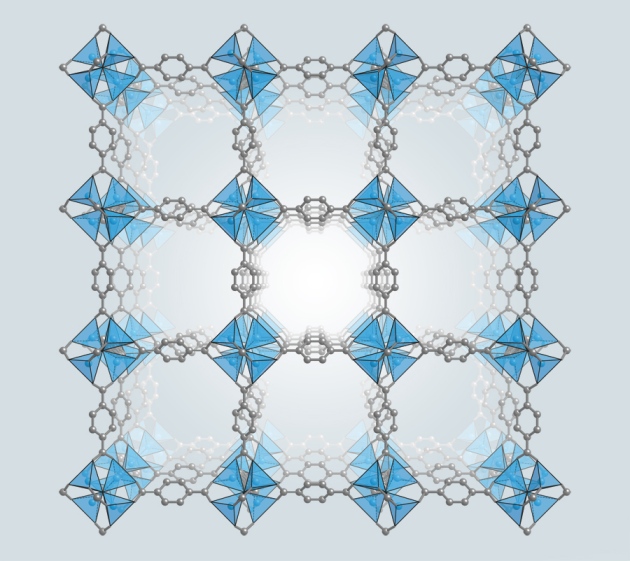
Materials science: The hole story
The crystals are metal–organic frameworks (MOFs), molecular scaffolds made up of metal-containing nodes linked by carbon-based struts . The resulting pores are ideal for trapping guest molecules and, in some cases, forcing them to participate in chemical reactions. And they can be tailored with exquisite precision: researchers have created more than 20,000 types of MOF,…
-
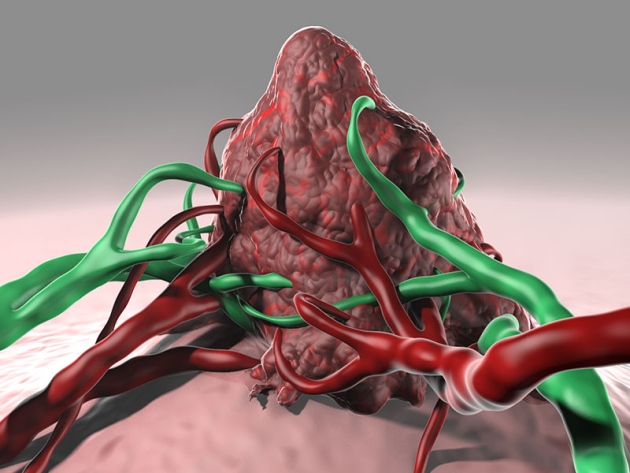
Tumour mutations harnessed to build cancer vaccine
Vaccines made from mutated proteins found in tumours have bolstered immune responses to cancer in a small clinical trial.
-
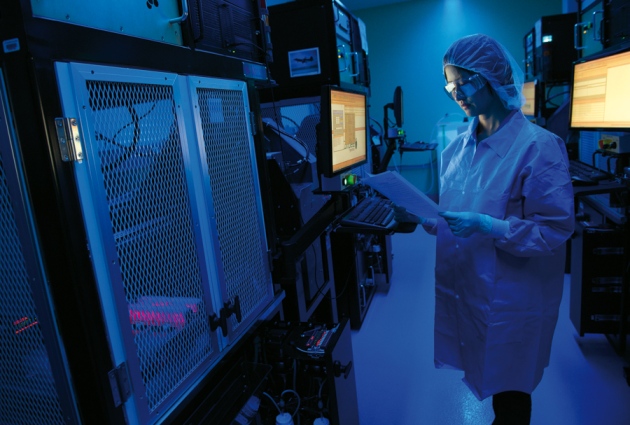
Extreme cryptography paves way to personalized medicine
The dream for tomorrow’s medicine is to understand the links between DNA and disease — and to tailor therapies accordingly. But scientists working to realize such ‘personalized’ or ‘precision’ medicine have a problem: how to keep genetic data and medical records secure while still enabling the massive, cloud-based analyses needed to make meaningful associations. Now,…