

Astrobiology Magazine
-
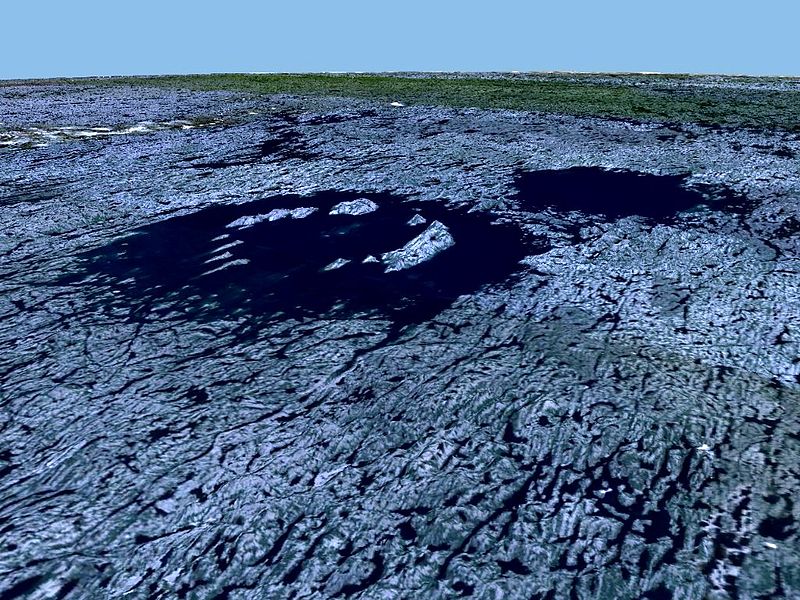
Double Impact Crater in Canada Formed in Two Separate Impacts
An asteroid smashing into a planet can dramatically alter the planet’s habitability by setting back evolution or even encouraging biodiversity. In order to understand how cosmic impacts influence life and the environment, scientists study the craters left behind. Some of these impact craters come in pairs, most likely caused by binary asteroids. A binary asteroid…
-
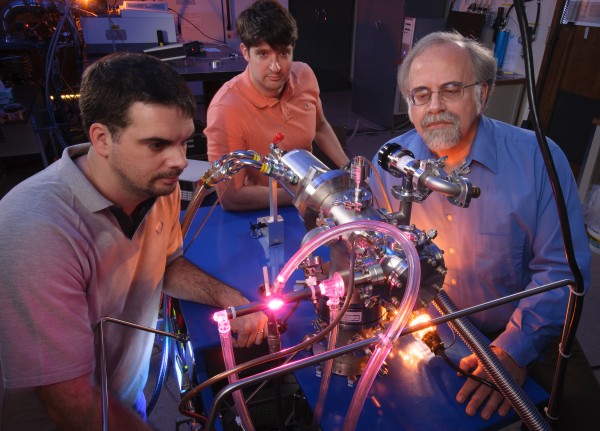
NASA Ames Reproduces the Building Blocks of Life in Laboratory
NASA scientists studying the origin of life have reproduced uracil, cytosine, and thymine, three key components of our hereditary material, in the laboratory. They discovered that an ice sample containing pyrimidine exposed to ultraviolet radiation under space-like conditions produces these essential ingredients of life. – See more at: http://www.astrobio.net/topic/origins/origin-and-evolution-of-life/nasa-ames-reproduces-building-blocks-life-laboratory/#sthash.7JIfVL47.dpuf
-
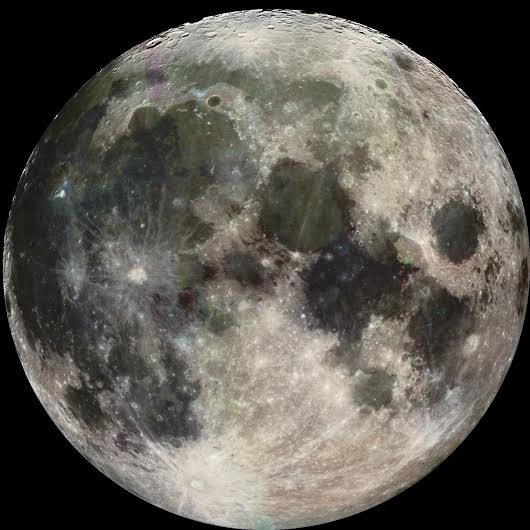
Earth’s Moon may not be critical to life
The Moon has long been viewed as a crucial component in creating an environment suitable for the evolution of complex life on Earth, but a number of scientific results in recent years have shown that perhaps our planet doesn’t need the Moon as much as we have thought.
-
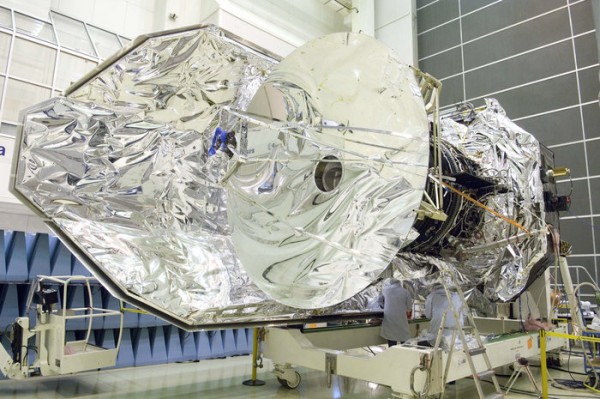
The cosmic chemistry that gave rise to water
Earth’s water has a mysterious past stretching back to the primordial clouds of gas that birthed the Sun and other stars. By using telescopes and computer simulations to study such star nurseries, researchers can better understand the cosmic chemistry that has influenced the distribution of water in star systems across the Universe.