

Astrobiology Magazine
-
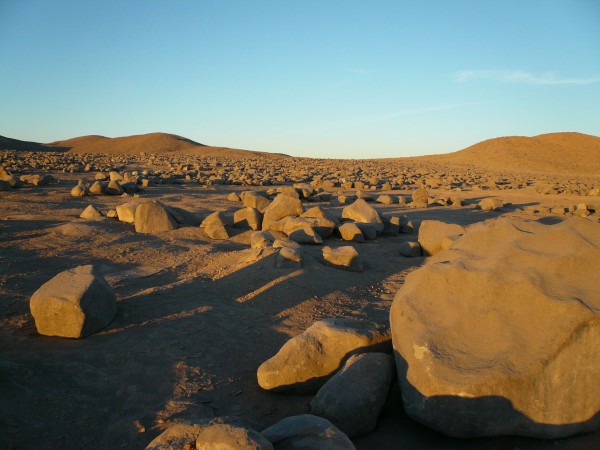
Driest Place on Earth Hosts Life
Researchers have pinpointed the driest location on Earth in the Atacama Desert, a region in Chile already recognised as the most arid in the world. They have also found evidence of life at the site, a discovery that could have far-reaching implications for the search for life on Mars.
-
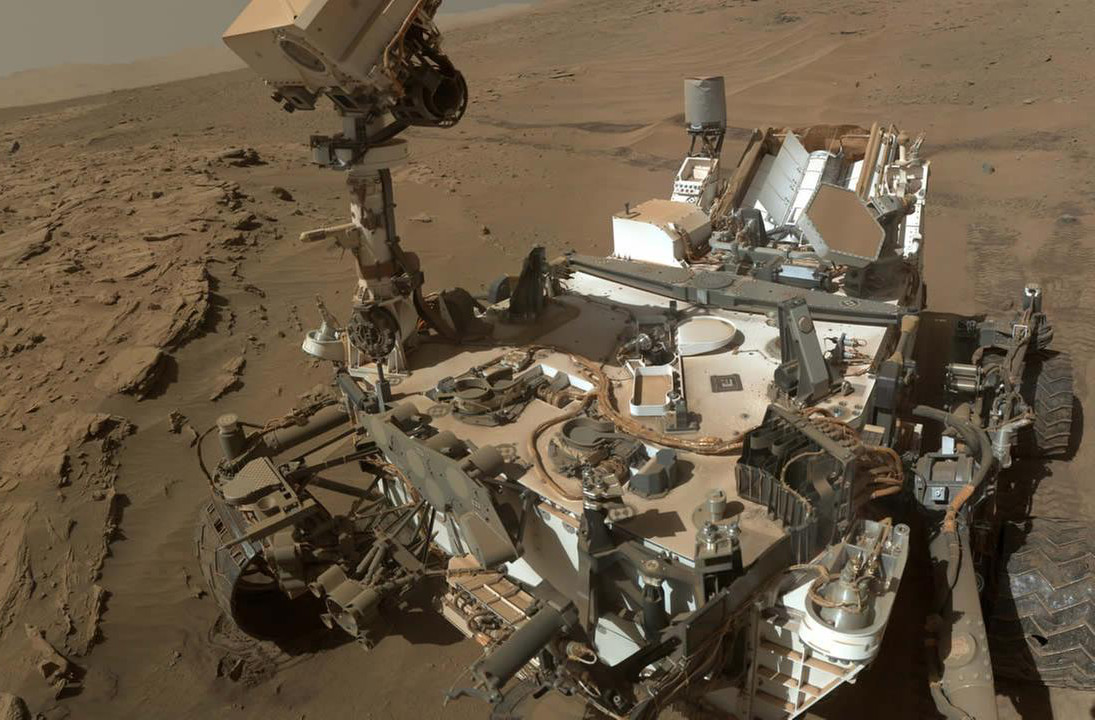
Mystery Methane on Mars: The Saga Continues
A scientist has raised questions about the latest detection of methane on Mars, suggesting that NASA’s rover could be responsible for the mysterious burp. Highly unlikely, but not impossible, says the Curiosity team.
-

Traffic Around Mars Gets Busy
NASA has beefed up a process of traffic monitoring, communication and maneuver planning to ensure that Mars orbiters do not approach each other too closely.
-
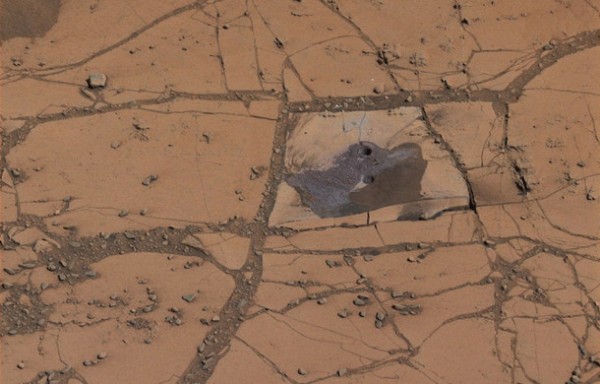
Iron-Rich Rocks Could Hold Signs of Life
A robotic mission’s search for life on Mars may seem worlds away from human scientists wandering around hot springs in Yellowstone National Park. But a study of the Yellowstone hot springs has revealed new clues about how organic materials might get preserved in similar environments on the Red Planet, bettering our chances of finding possible…
-

Life’s Building Blocks Recreated Under Space-Like Conditions
Researchers have reproduced a wide array of building blocks for life in a prebiotic scenario involving meteorites and the solar wind. They began with formamide, a simple organic compound that’s ubiquitous in the universe. Formamide has been detected in galactic centers, star-forming regions, interstellar space, as well as comets and satellites.
-
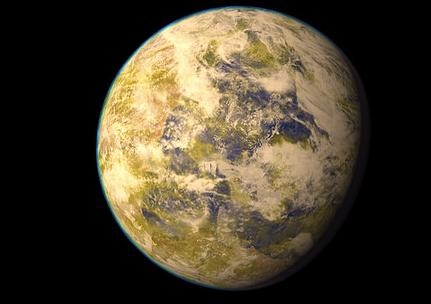
“Venus Zone” Narrows Search for Habitable Planets
In order to weed out Venus-like planets from those that would be more habitable, several scientists, including planetary scientist Stephen Kane of San Francisco State University, proposed the establishment of a “Venus zone” around stars, a region where the atmosphere could be consumed by a runaway greenhouse effect that superheats its planets.
-
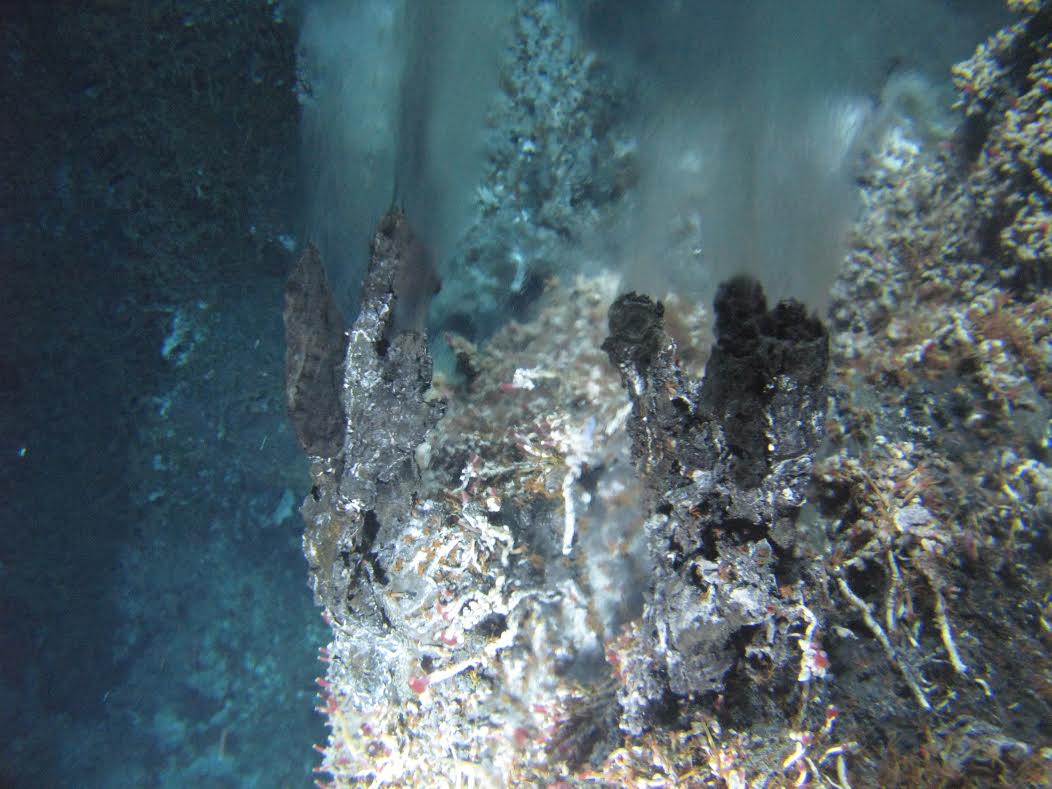
Viruses Help Microbial Hosts Cope with Life at the Extremes
A new study reveals that viruses lend a surprisingly helpful hand to microbes eking out a living near deep-sea hydrothermal vents. When they infect the vent’s resident bacteria and archaea, the viruses mix and match the single-celled creatures’ genes. As a result, the microbes can benefit from possessing a wide range of genes in a…
-
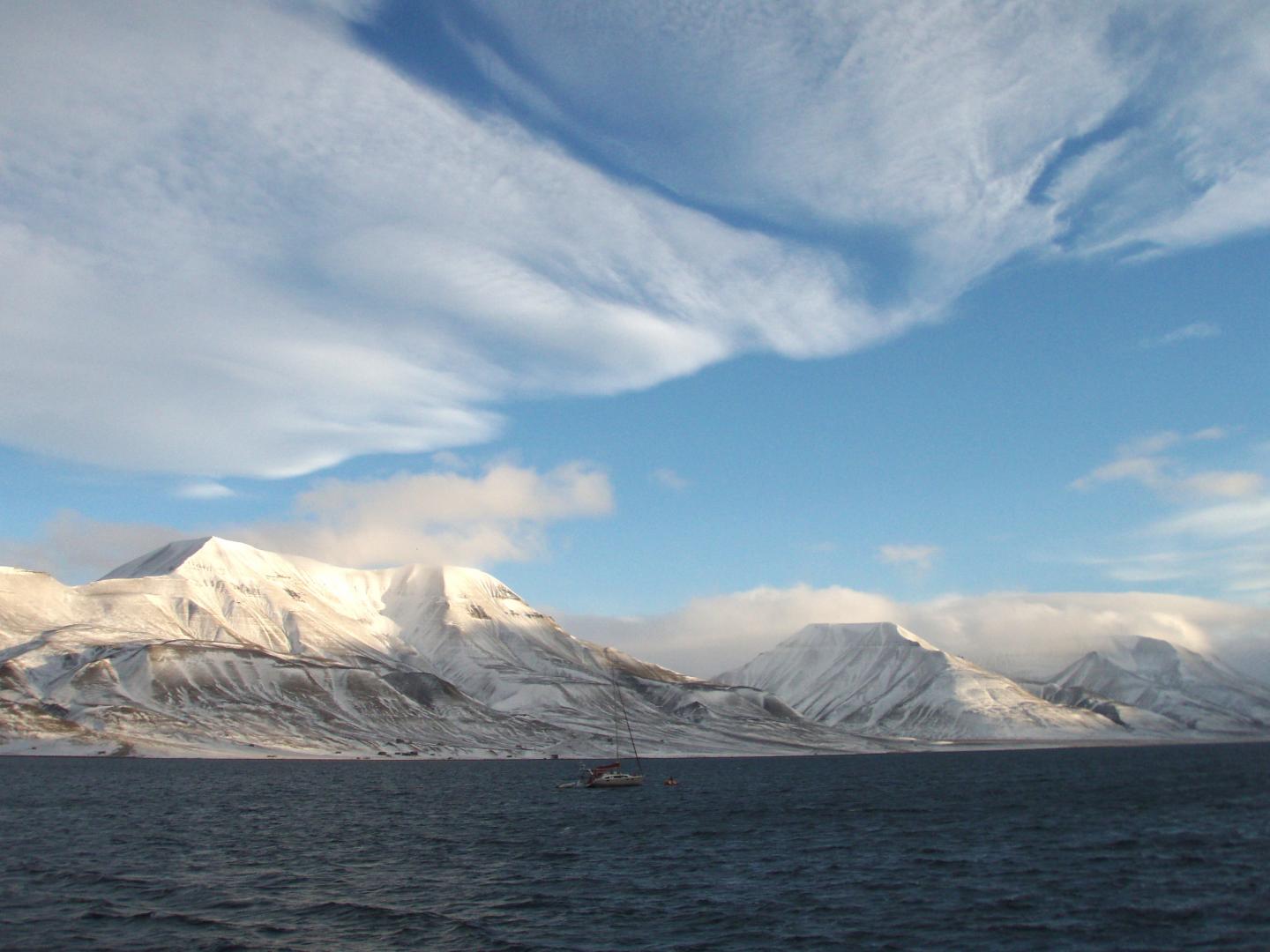
Geologist identifies new source of methane for gas hydrates in Arctic
Research led by a University of New Hampshire professor has identified a new source of methane for gas hydrates — ice-like substances found in sediment that trap methane within the crystal structure of frozen water — in the Arctic Ocean. The findings, published online now in the May 2015 journal Geology, point to a previously undiscovered,…
-
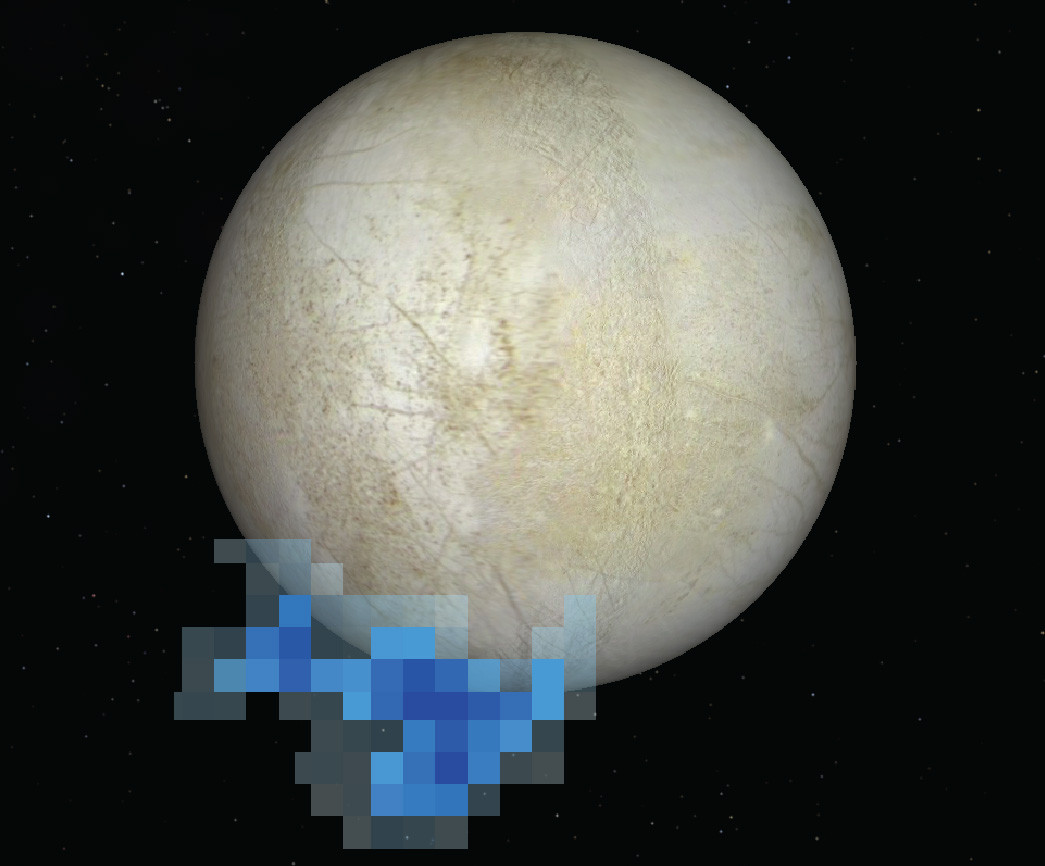
Europa’s Elusive Water Plume Paints Grim Picture For Life
A new paper reveals that Europa’s atmosphere is 100 times less abundant than claims in previous publications, and composed mainly of atomic rather than molecular oxygen.