

Astrobiology Magazine
-
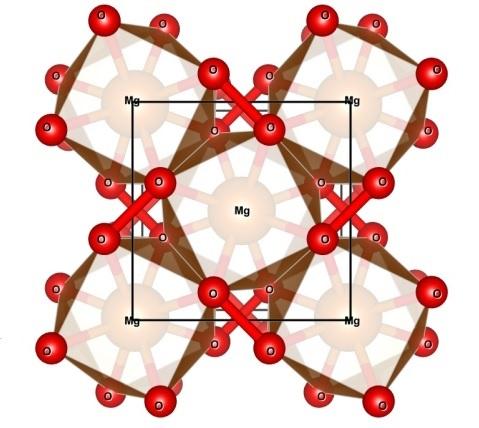
Distant planet’s interior chemistry may differ from our own
As astronomers continue finding new rocky planets around distant stars, high-pressure physicists are considering what the interiors of those planets might be like and how their chemistry could differ from that found on Earth. New work from a team including three Carnegie scientists demonstrates that different magnesium compounds could be abundant inside other planets as…
-
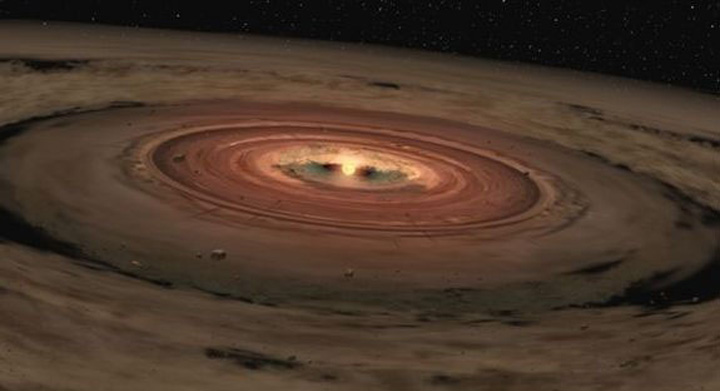
Solar System formation don’t mean a thing without that spin
New work from Carnegie’s Alan Boss and Sandra Keiser provides surprising new details about the trigger that may have started the earliest phases of planet formation in our solar system. It is published by The Astrophysical Journal.
-
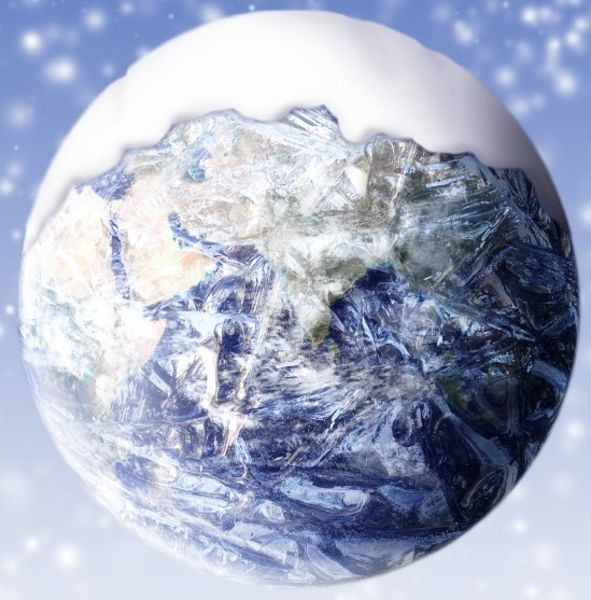
‘Snowball Earth’ Might Be Slushy
Imagine a world without liquid water — just solid ice in all directions. It would certainly not be a place that most life forms would like to live. And yet our planet has gone through several frozen periods, in which a runaway climate effect led to global, or near global, ice cover. The last of…
-
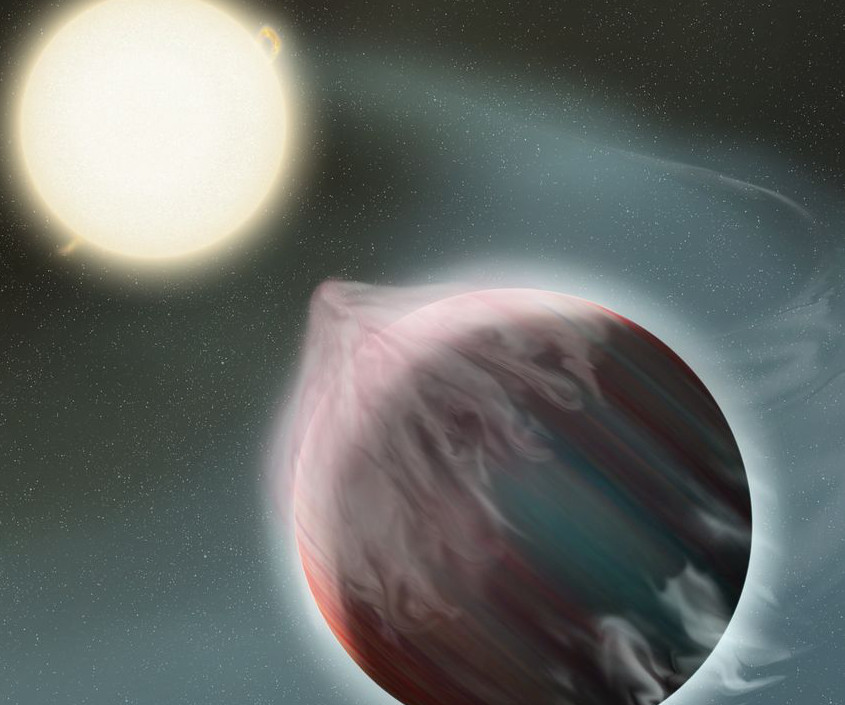
Mini-Neptunes Might Host Life Under Right Conditions
Astronomer Rodrigo Luger of the University of Washington, along with colleagues, have found that a certain kind of planet called a mini-Neptune with its atmosphere removed could, in fact, become a viable planet to life. – See more at: http://www.astrobio.net/news-exclusive/mini-neptunes-might-host-life-under-right-conditions/#sthash.HKEYtvdg.dpuf
-

Antarctic Offers Insights Into Life on Mars
The cold permafrost of Antarctica houses bacteria that thrive at temperatures below freezing, where water is icy and nutrients are few and far between. Oligotrophs, slow-growing organisms that prefer environments where nutrients are scarce, could provide clues as to how life could exist in the permafrost of Mars.
-
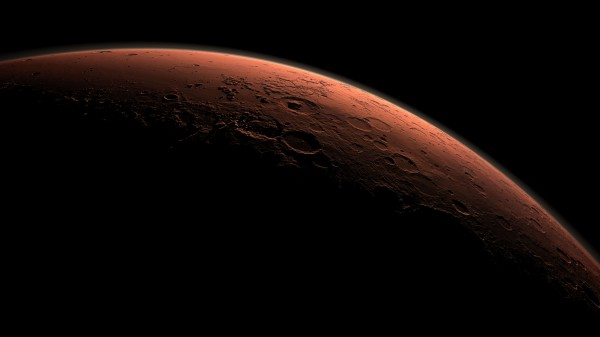
Earth and Mars Could Share A Life History
While life is everywhere on Earth, there is much debate about how it began. Some believe it originated naturally from the chemistry found on our planet as it evolved. Others hypothesize that life — or at least the building blocks of it like DNA — crashed onto our planet from such extraterrestrial bodies as comets.…
-
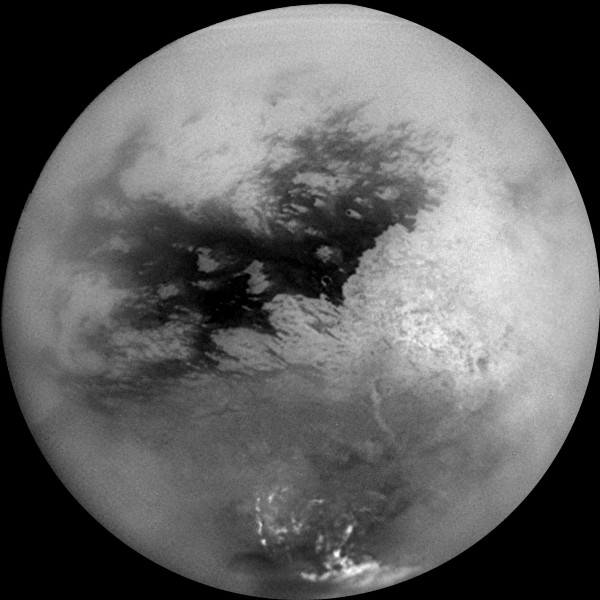
Early Titan Was a Cold, Hostile Place For Life
Titan’s methane is thought to be less than a half billion years old, leading astrobiologists to wonder what Titan’s atmosphere looked like early in its history when there was little to no methane present. Could it reflect what Earth might have looked like earlier in our planet’s history before life arrived?
-
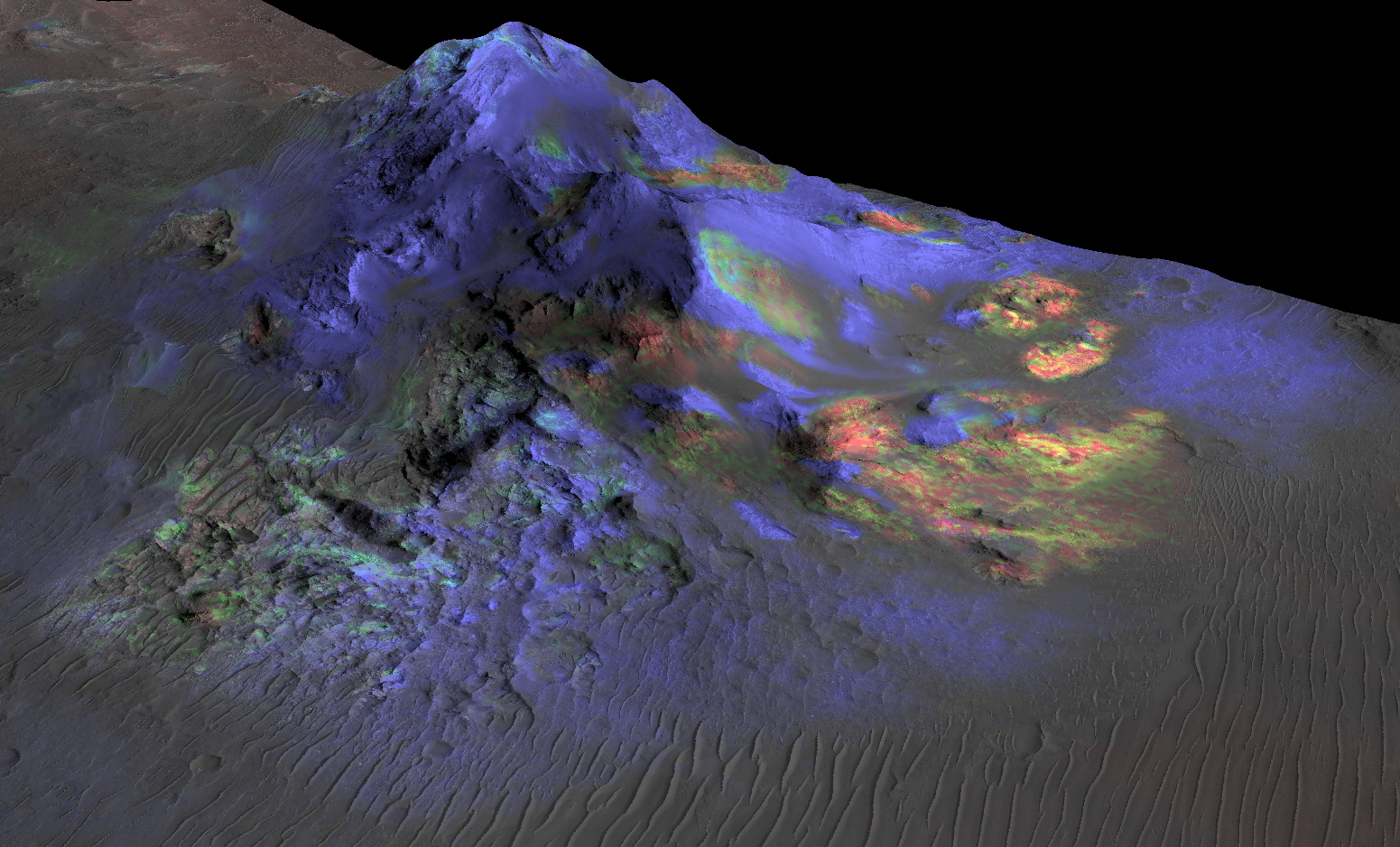
NASA Spacecraft Detects Impact Glass on Surface of Mars
NASA’s Mars Reconnaissance Orbiter (MRO) has detected deposits of glass within impact craters on Mars. Though formed in the searing heat of a violent impact, such deposits might provide a delicate window into the possibility of past life on the Red Planet.
-
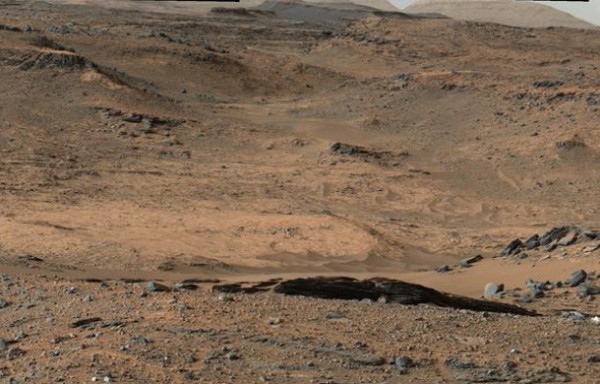
Hardy Bacteria Thrive Under Hot Desert Rocks
Beneath the rocks scarring California’s Mojave Desert are colonies of cyanobacteria, tiny creatures thought to be some of the first on Earth to convert light from the Sun into energy in the process known as photosynthesis. By studying how these creatures adapt to life in the hot, dry desert, biologists hope to glean insight into…