

Zientzia hedabideetan
-

Kimikako Nobel Saria, DNA konpontzeko mekanismoen ikertzaileentzat
Hiru zatitan banatuko dute aurten Kimikako Nobel Saria. Tomas Lindahl, Paul Modrich eta Aziz Sancar ikertzaileek jasoko dute heren bana, zeluletako DNA konpontzen diharduten mekanismoak aurkitu eta maila molekularrean nola funtzionatzen duten deskribatzeagatik. Hain zuzen, horiek eskaintzen diote egonkortasun kimikoa biziari, eta minbiziaren kontrako terapiak garatzeko oinarria eskaintzen dute.
-
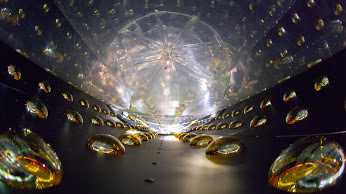
Lo que ya sabemos de los neutrinos y lo que aún queda por descubrir.
Sabedores de que se trata de una rama de la física de partículas donde algunas de las cuestiones fundamentales aún estar por responder, equipos de todo el mundo estudian los neutrinos, de forma que el conocimientos sobre ellos ha avanzado mucho en los últimos años. Aquí va una recopilación de algunas cosas que sabemos sobre…
-
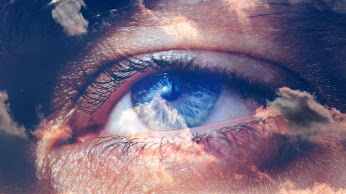
It’s time we dispelled these myths about autism
These four misconceptions about autism are damaging and in desperate need of debunking.
-
The Hacker Who Exposed South Korea’s Deadly Epidemic
How a young programmer became an amateur epidemiologist and told a nation what its government didn’t want them to know.
-
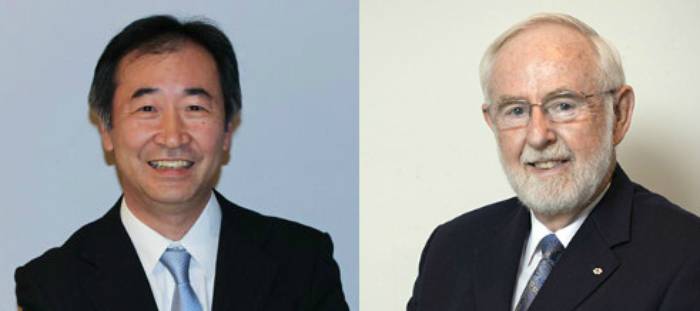
Fisikako Nobel Saria neutrinoak eraldatu egiten direla eta masa dutela frogatu zutenentzat
Nobel Fundazioak iragarri duenez, Takaaki Kajita japoniarrak eta Arthur B. McDonald kanadarrak jasoko dute 2015eko Fisikako Nobel Saria. Bi ikertzaile horien taldeek, bakoitzak bere aldetik, frogatu zuten neutrinoak mota batetik bestera eraldatzen direla, eta, beraz, masa dutela.
-
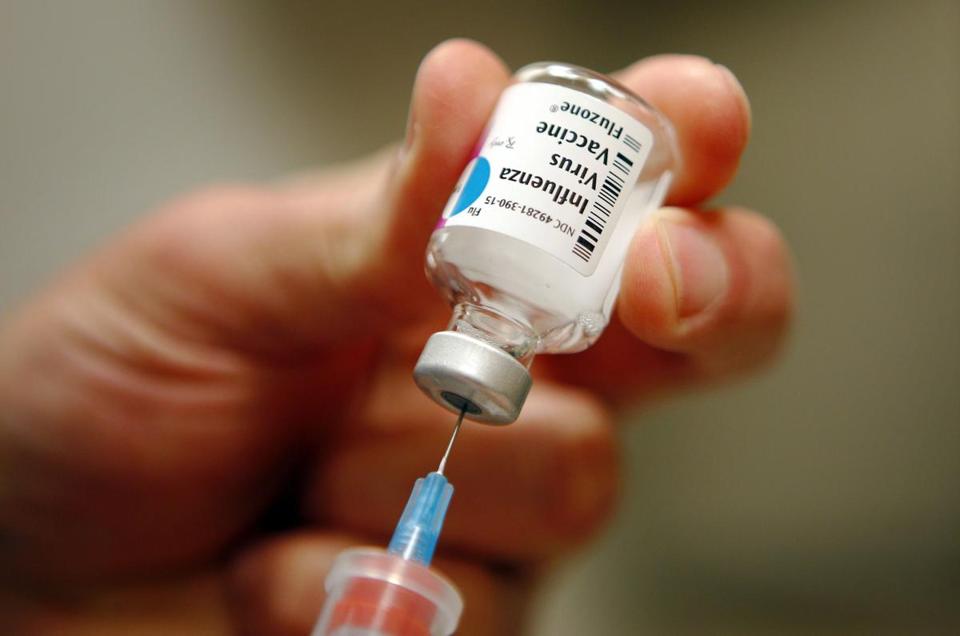
Weak link discovered in flu vaccine
The reputation of the flu vaccine has taken a bit of a beating in recent years. Official claims about its effectiveness have been downgraded. And some years – like last year – the vaccine hasn’t been well-matched to the influenza viruses making people sick. Now research points to a single component as the weak link…
-
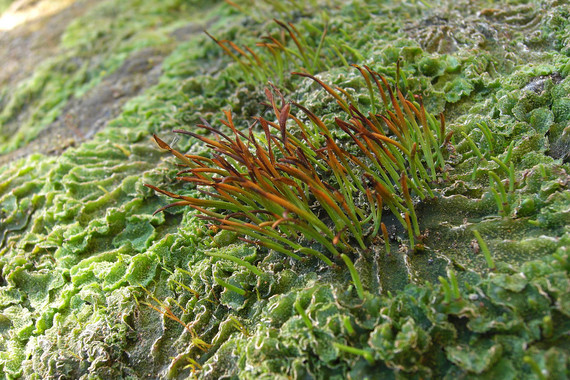
El ancestro de las plantas terrestres estaba programado para saltar a la orilla
El alga a partir de la cual se originó la vida terrestre ya sabía cómo sobrevivir en tierra antes de abandonar el agua. Según un nuevo estudio, el antepasado acuático estaba genéticamente preadaptado para relacionarse con hongos y bacterias, como lo hacen las plantas terrestres para nutrirse del suelo.
-
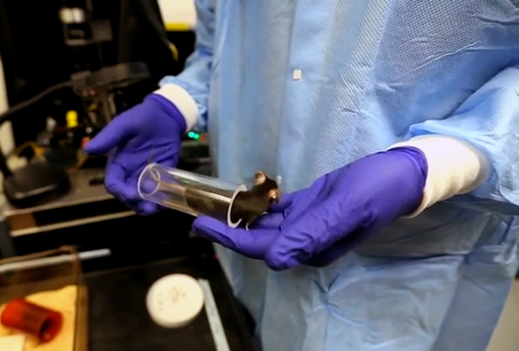
How Brain Scientists Outsmart Their Lab Mice
To watch the brain work during navigation, scientists build computer-generated worlds for mice.
-
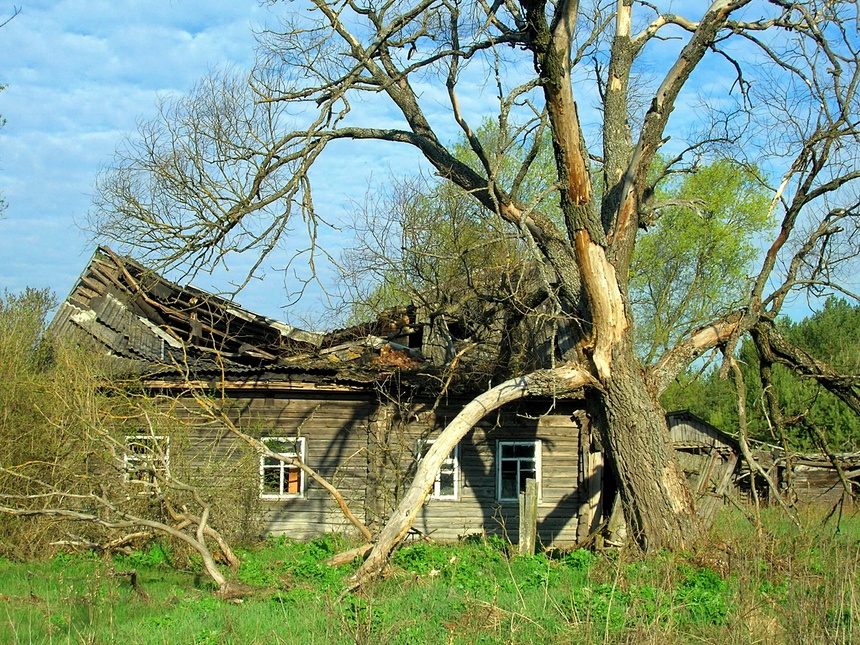
What happened to wildlife when Chernobyl drove humans out? It thrived
People were evacuated after the Chernobyl accident, but what happened to the local wildlife? A new study shows that wildlife in the Chernobyl disaster zone is thriving, indicating that the presence of humans is more damaging to wildlife than is radiation poisoning