

Zientzia hedabideetan
-
El comunismo de los matemáticos
Terence Tao ha solucionado el problema de la discrepancia de Erdös trabajando a partir de los resultados de polymath5
-
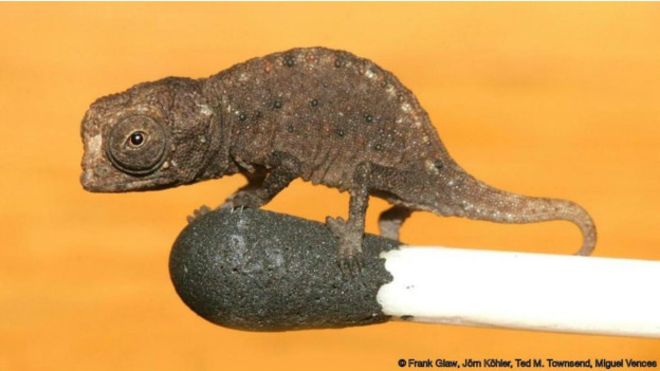
Por qué algunas especies de animales se vuelven diminutas
Desde mamuts enanos hasta lagartijas miniatura, muchos animales han evolucionado hasta tener cuerpos cada vez más pequeños.
-
Will Quantum Mechanics Swallow Relativity?
The contest between gravity and quantum physics takes a new turn.
-
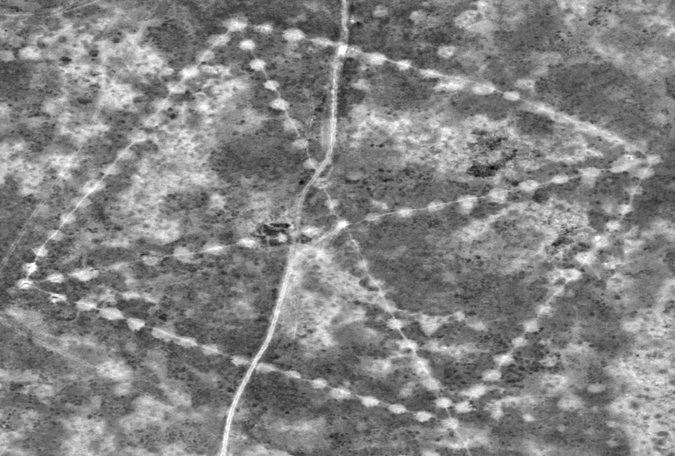
NASA Adds to Evidence of Mysterious Ancient Earthworks
Satellite pictures of a remote and treeless northern steppe reveal colossal earthworks — geometric figures of squares, crosses, lines and rings the size of several football fields, recognizable only from […]
-

Zombie physics: 6 baffling results that just won’t die
When a scientific result seems to show something genuinely new, subsequent experiments are supposed to either confirm it — triggering a textbook rewrite — or show it to be a […]
-
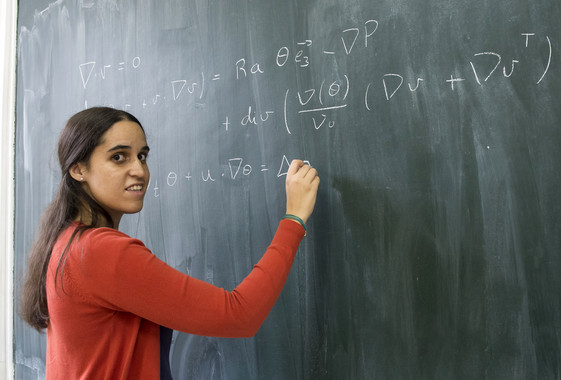
“Las matemáticas invitan a pensar en los enigmas del interior de la Tierra”
La Sociedad Matemática Española y la Fundación BBVA acaban de crear los premios Vicent Caselles, y entre los seis galardonados figura Jezabel Curbelo (Tenerife, 1987), actualmente en estancia posdoctoral en […]
-

Tracking India’s Deadly Flu Outbreak in Real Time
A team of doctors are trying to revolutionize India’s health system during one of the largest gatherings on Earth.
-
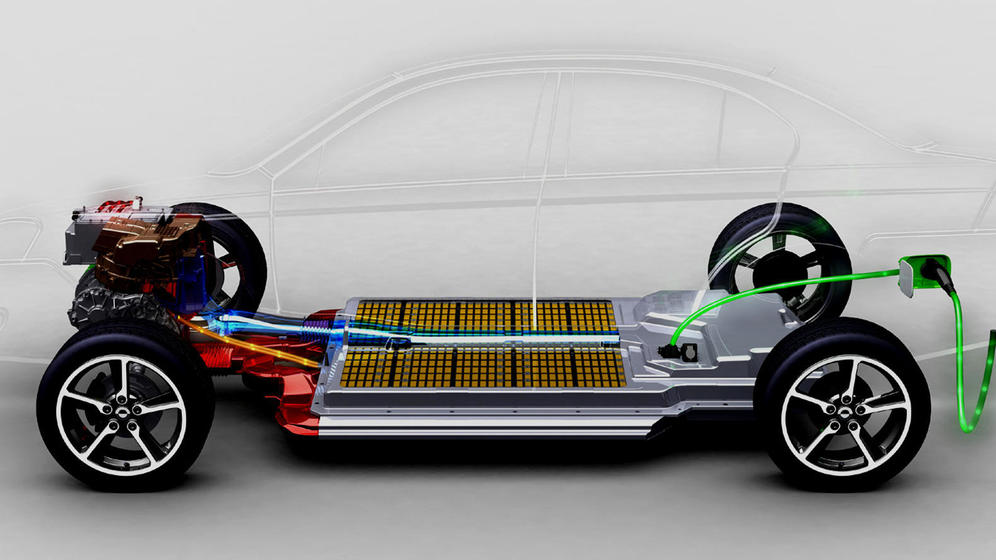
Una nueva batería permitiría a coches eléctricos recorrer 600 km sin recargar
Gracias a una nueva fórmula para este tipo de baterías que usa yoduro de litio y grafeno, se ha mejorado su capacidad, eficiencia y número de ciclos de recarga
-
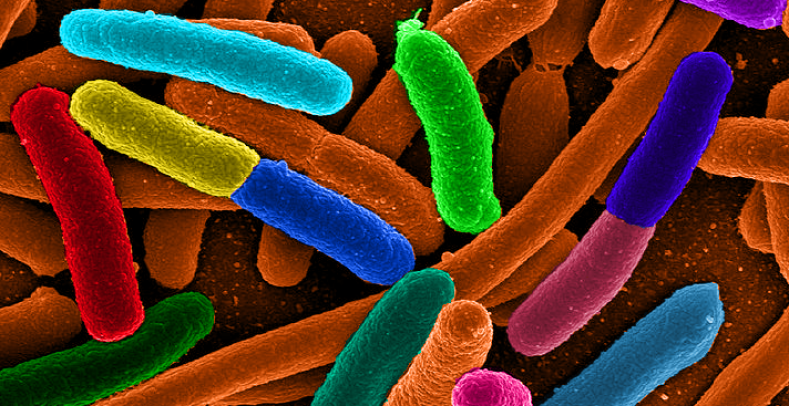
Nanotecnología para empastar tus muelas
Una nueva generación de materiales basados en nanopartículas está a punto de llegar a la consulta del dentista, según una revisión publicada esta semana. La nueva tecnología puede prevenir algunas […]