

Zientzia hedabideetan
-
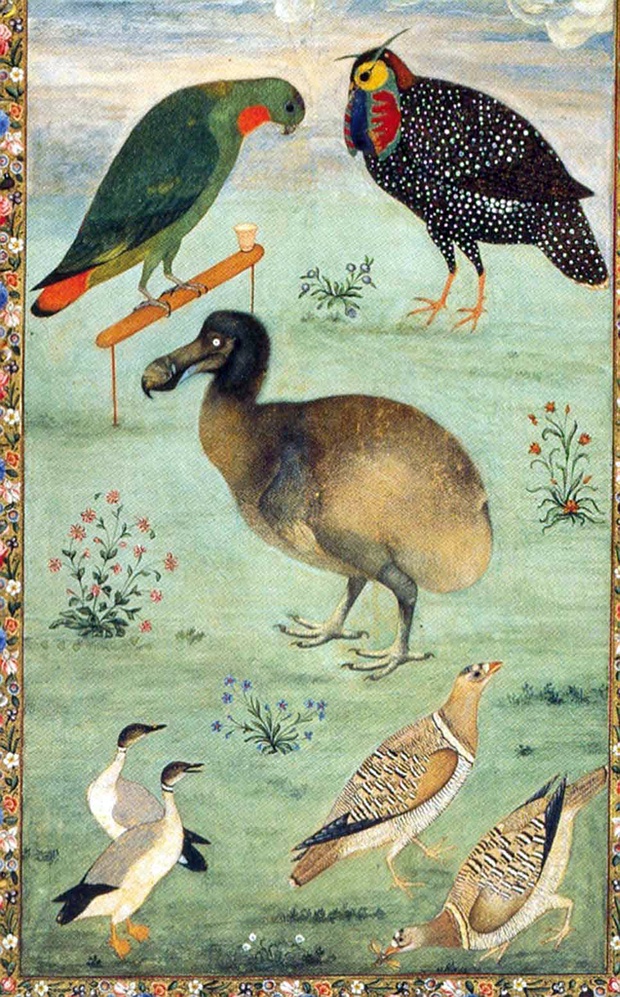
Extinct thinking: was the hapless dodo really destined to die out?
New research hints that far from being the greedy, clumsy bird of legend, the dodo was a resilient animal whose demise was caused by an ecological disaster
-
El esperma lleva información sobre el sobrepeso de papá
Un estudio muestra por primera vez que el peso de un hombre en el momento de la concepción afecta a la información heredable que contiene su esperma.
-

Automobilegiak?
Ibilgailu autonomoen arazo praktiko eta filosofikoez
-

El clan colombiano que está ayudando a encontrar la clave para frenar el alzhéimer
Hace ya algunos años que una familia colombiana en Yarumal, la población con el mayor número de enfermos de alzhéimer en el mundo, se convirtió en un “laboratorio natural” para […]
-
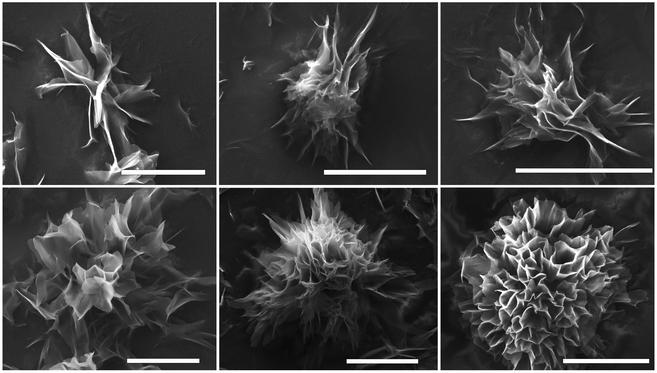
Growing microflowers in the lab
These microscopic blooms could boost solar and sensor technologies.
-
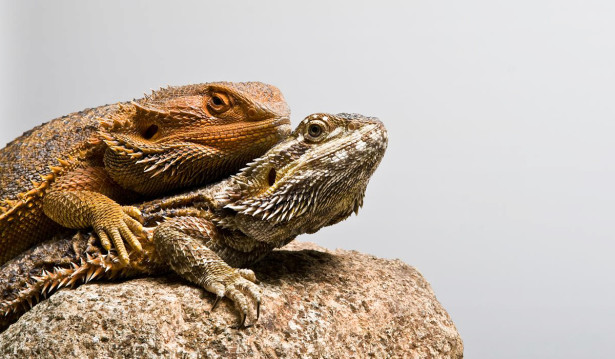
The Incredible Shrinking Sex Chromosome
Nature offers a panoply of ways to determine an organism’s sex. How can such a fundamental property be so variable?
-
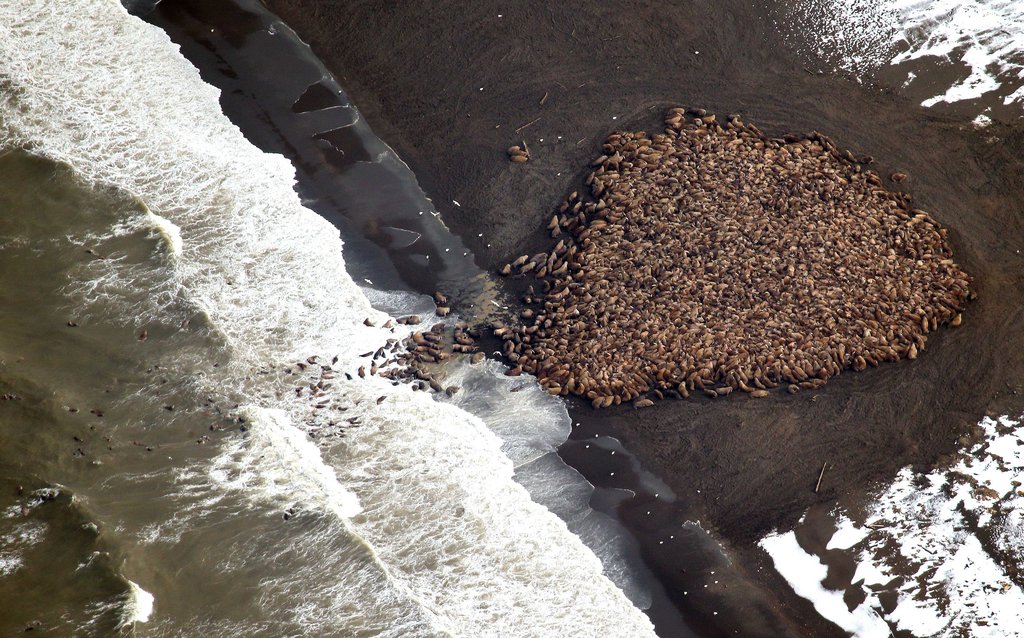
What Climate Change Looks Like: Walrus Crowding
Packed shoulder to shoulder, an estimated 35,000 Pacific walruses congregated on Alaska’s northwest coast near Point Lay last fall. Normally the mammals find ocean ice sheets to rest on, but […]
-
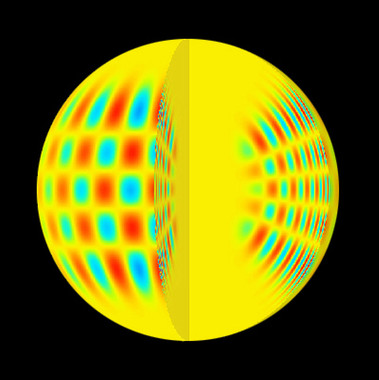
Científicos españoles cuestionan los resultados sobre estrellas pulsantes
Con los datos ultraprecisos de los satélites CoRot y Kepler, investigadores del Instituto de Astrofísica de Andalucía y la Universidad de Granada han aportado dos ejemplos que ponen en duda […]
-

Itsaso bat plastikozkoa
Aurten, plastikozko zorroak erabiltzea galaraziko duen lege bat onartu du Europar Batasunak. Bitartean, itsasoa plastikoen biltegi bihurtzen ari dela erakusten duten hainbat azterketa plazaratu dira. Beste ikerketa batzuek, berriz, plastikoek […]