

Zientzia hedabideetan
-
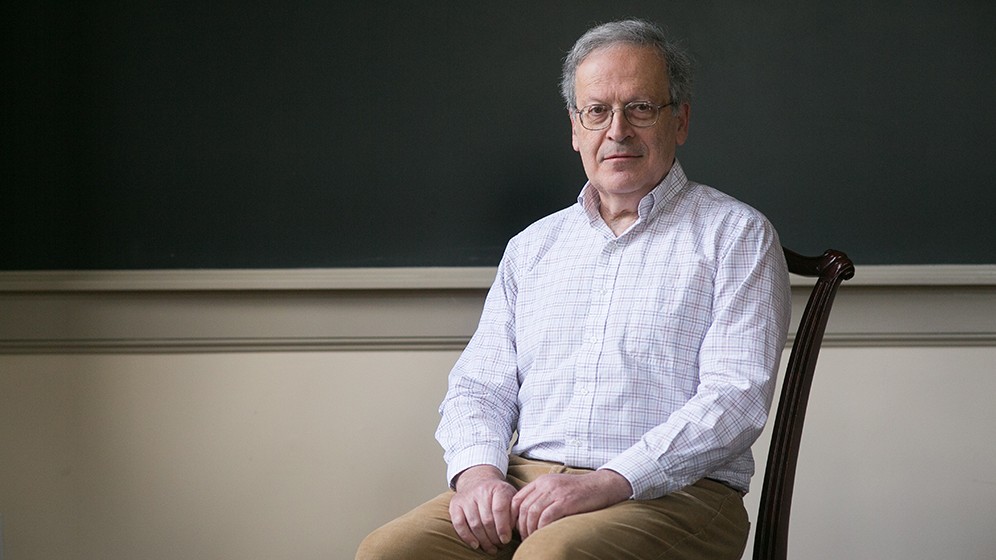
Searching for the Algorithms Underlying Life
The biological world is computational at its core, argues computer scientist Leslie Valiant. His “ecorithm” approach uses computational concepts to explore fundamental mysteries of evolution and the mind.
-
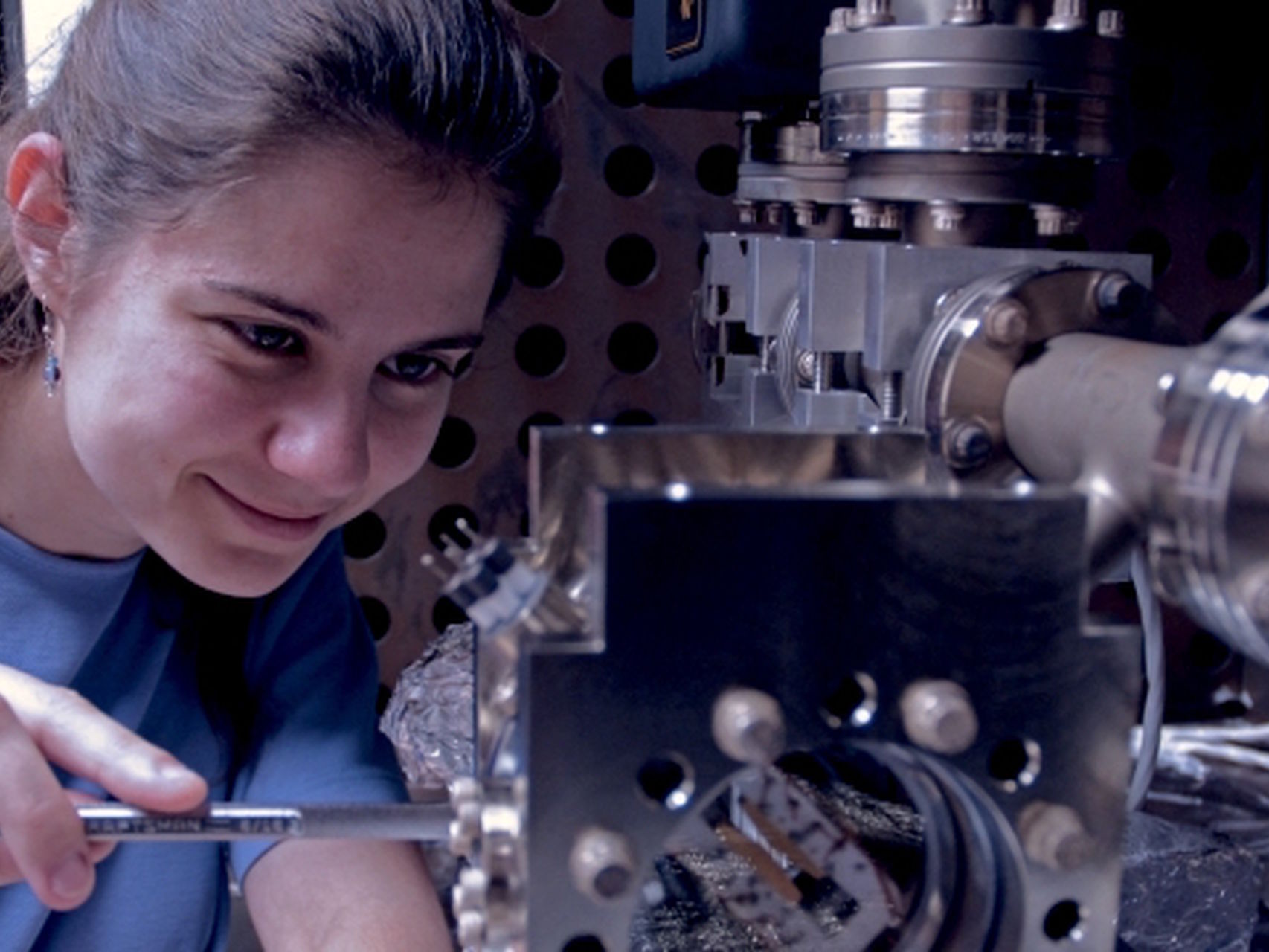
El difícil camino de las físicas y las ingenieras
Las mujeres que se dedican a carreras científicas afrontan más obstáculos que sus colegas varones
-

Octopuses more social than thought
The octopuses sometimes wrestle after they display to one another.
-

What Would It Take to Prove the Zika–Microcephaly Link
Public health officials are not yet ready to say the connection is causal
-

Why the calorie is broken
Calories consumed minus calories burned: it’s the simple formula for weight loss or gain. But dieters often find that it doesn’t work.
-

Antartidako onddoek Marteko kondizioetan biziraun dute ISSn
Urte eta erdiz Nazioarteko Espazio Estazioan (ISS) Marteren antzeko kondizioetan egon ondoren, Antartidako onddo batzuek bizirik irautea lortu dute baieztatu dute. Cryomyces antarcticus eta Cryomyces minteri ziren onddo horiek, eta, […]
-
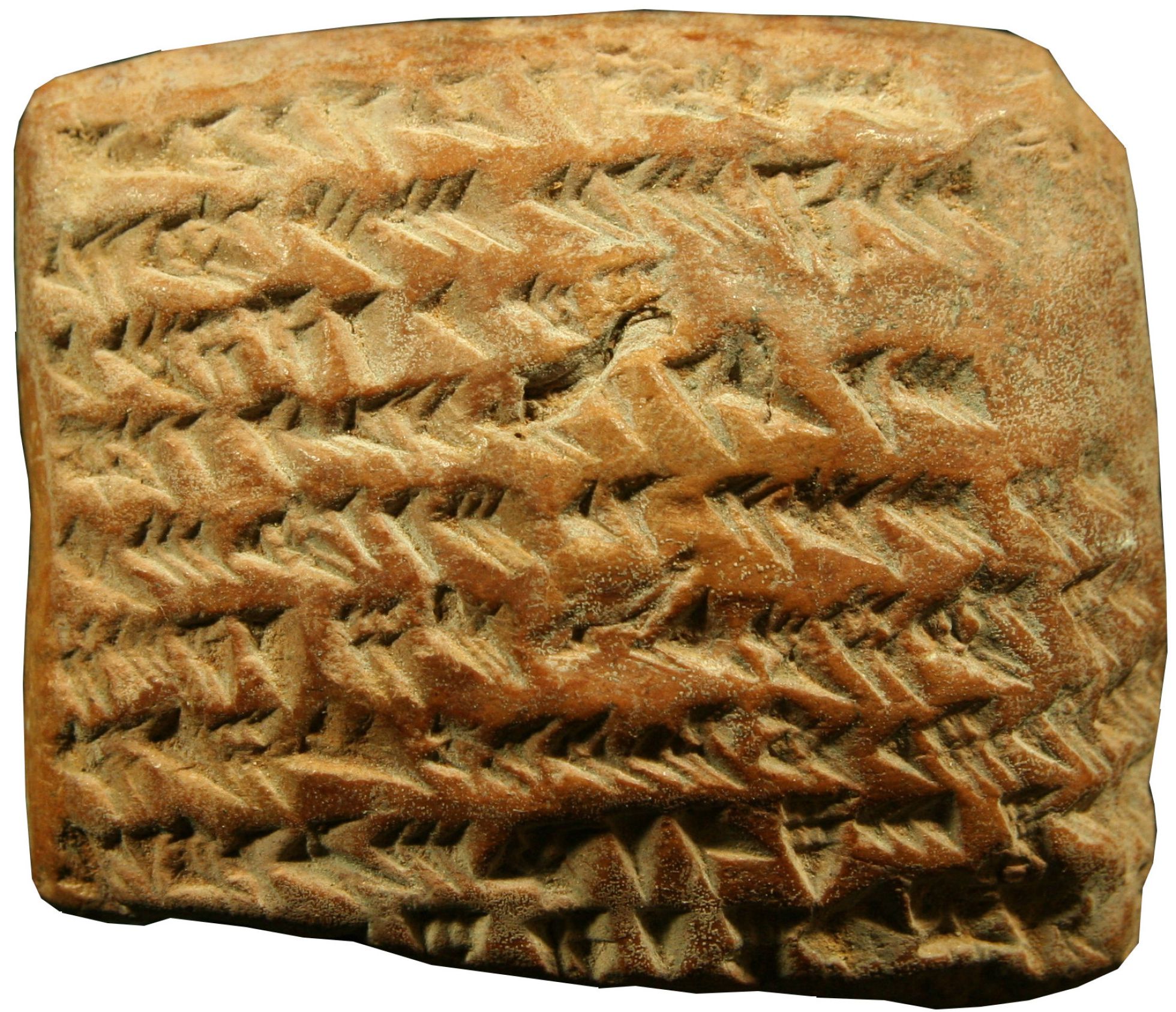
El secreto matemático de Babilonia
Un texto antiguo desvela que la civilización de Mesopotamia ya usaba geometría para seguir a Júpiter 14 siglos antes que Europa
-
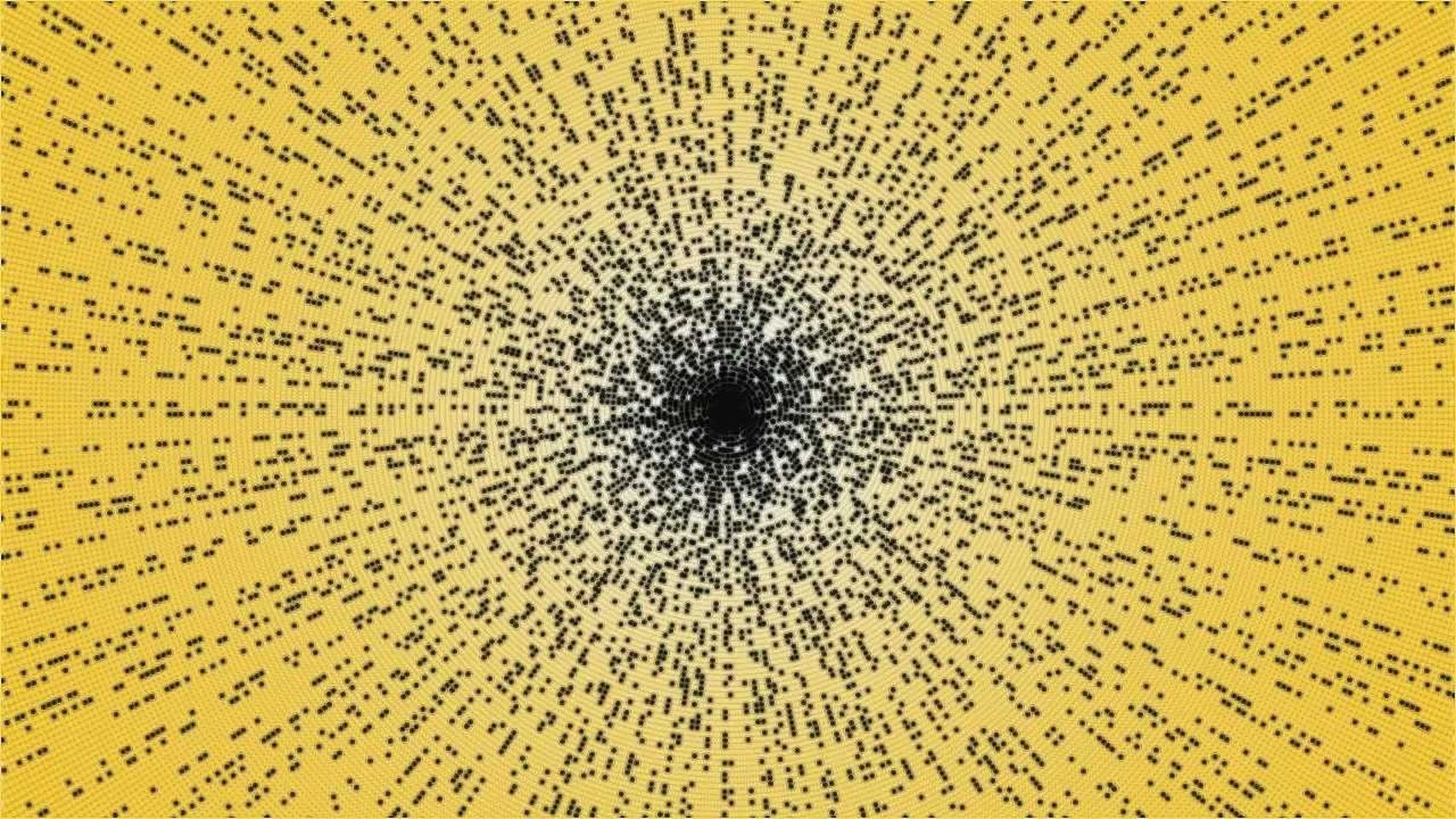
Se buscan números primos… ¿pero para qué?
El mayor número primo hasta ahora se ha dado a conocer este mes. Se trata de una cifra larguísima, compuesta por más de 22 millones de dígitos. ¿Cuál es la principal […]
-

Consciousness may be the product of carefully balanced chaos
Is my yellow the same as your yellow? Does your pain feel like my pain? The question of whether the human consciousness is subjective or objective is largely philosophical. But […]