

Zientzia hedabideetan
-

Are dreams predictions?
Dreams might not be omens or prophecies in a mystical sense, but they do have a distinct psychological predictive power
-

Do women really go for ‘bad boys’? Here’s the science that settles the question
The power of niceness shouldn’t be underestimated. Some studies have shown that having a nice personality can even affect impressions of a person’s physical attractiveness.
-
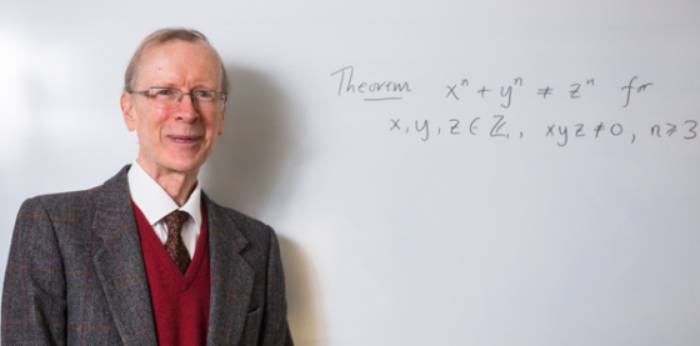
Andrew J. Wiles matematikariak 2016ko Abel Saria jaso du Norvegian
Mendeetan zehar matematikari askok lortu ez zutena lortu zuen Wiles-ek: Fermaten azken teorema ebaztea. Historikoki duen garrantzia eta matematikaren garapenean izan duen eragin handia goraipatu dute, matematikarientzat Nobel Sariaren pareko […]
-

Nuevo avance para sintetizar moléculas quirales con dos catalizadores
Científicos del Instituto Catalán de Investigación Química han desarrollado una nueva metodología para la formación selectiva de moléculas quirales, aquellas que no se pueden superponer con su imagen especular. La […]
-
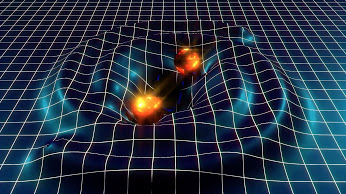
A Life Inspired by an Unexpected Genius
The mathematician Ken Ono believes that the story of Srinivasa Ramanujan — mathematical savant and two-time college dropout — holds valuable lessons for how we find and reward hidden genius.
-
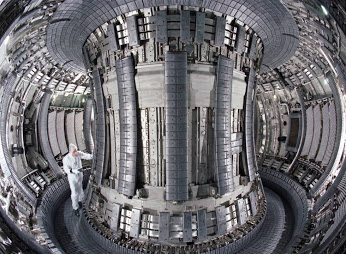
España se arriesga a perder la carrera por el gran acelerador de fusión nuclear
Científicos implicados en el proyecto alertan del riesgo de quedar rezagados en la pugna por una infraestructura estratégica para Europa
-
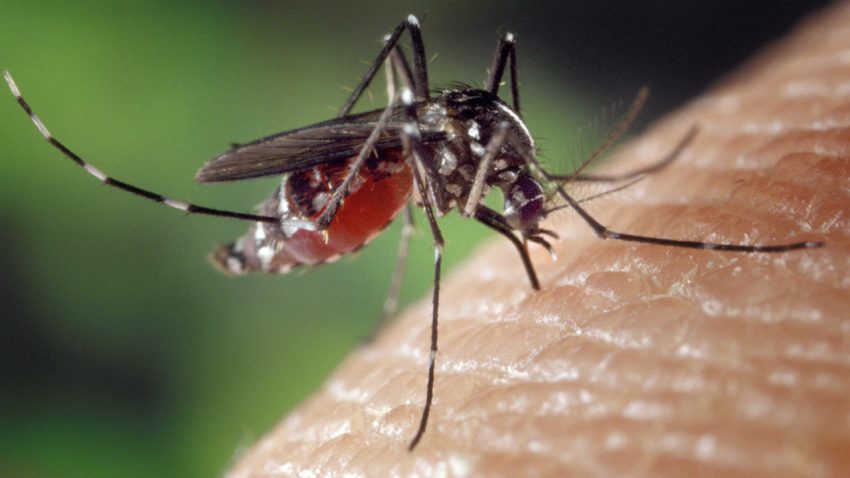
Top mosquito suspect found infected with Zika
The usual suspect has been caught, not red-handed but red-bellied. Since the beginning of the Zika virus outbreak in Brazil, health authorities and researchers have strongly suspected that the mosquito […]
-

What the Amish can teach the rest of us about modern medicine
When healthcare is expensive, the Amish culture of autonomy and thrift may be a way to balance communal support and individual responsibility.
-
La verdadera razón por la que nada puede ser más rápido que la luz
La luz está compuesta de partículas llamadas fotones. ¿Por qué estas partículas pueden viajar a la velocidad de la luz cuando otras partículas como los electrones no pueden?