

Zientzia hedabideetan
-
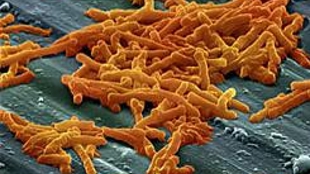
Fecal Pill Treats Gut Infection
A handful of patients suffering from recurrent Clostridium difficile infections (CDI) experienced a cessation of the violent diarrhea that is a hallmark of the disease after ingesting frozen, encapsulated feces from healthy, unrelated volunteers.
-

Plant Biology Informs the Origins of the Stradivarius
A tomato expert and viola player uses plant statistics to trace the history of the violin
-
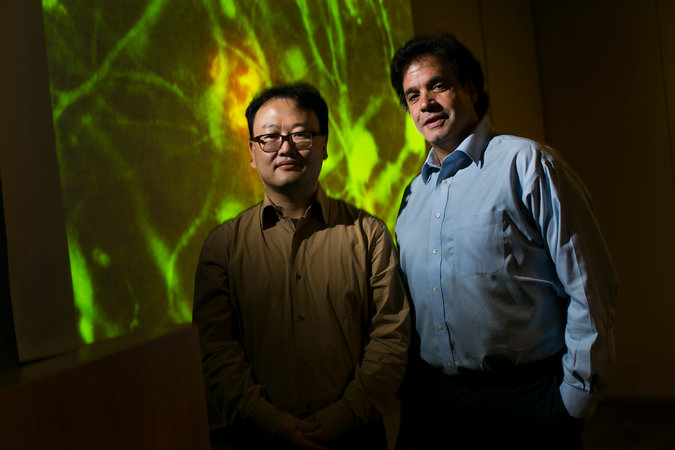
Breakthrough Replicates Human Brain Cells for Use in Alzheimer’s Research
For the first time, and to the astonishment of many of their colleagues, researchers created what they call Alzheimer’s in a Dish — a petri dish with human brain cells that develop the telltale structures of Alzheimer’s disease. In doing so, they resolved a longstanding problem of how to study Alzheimer’s and search for drugs…
-

¿Existen otros universos?
Nuestro universo, con lo inmenso que es, con centenares de miles de millones de galaxias visibles y tantos millones de estrellas en cada una de ellas, puede que no sea el único que exista. Tal vez hay otros universos, distintos del que conocemos, y alguno parecido… ¿Sería posible visitarlos? ¿Echarles un vistazo? ¿Comprobar siquiera si…
-
Cómo devolver el sentido del tacto a un amputado
Dos estudios independientes en la revista Science muestran que la capacidad para implantar prótesis sensibles ya está aquí. Mediante electrodos conectados al sistema nervioso, el portador de la prótesis puede sentir el contacto y distinguir texturas.
-

Turning to Darwin to Solve the Mystery of Invasive Species
Invasive species are both a fact of life and a scientific puzzle. Humans transport animals and plants thousands of miles from where they first evolved — sometimes accidentally, sometimes intentionally. Many of those species die off in their new homes. Some barely eke out an existence. But some become ecological nightmares. In the Northeast, emerald…
-
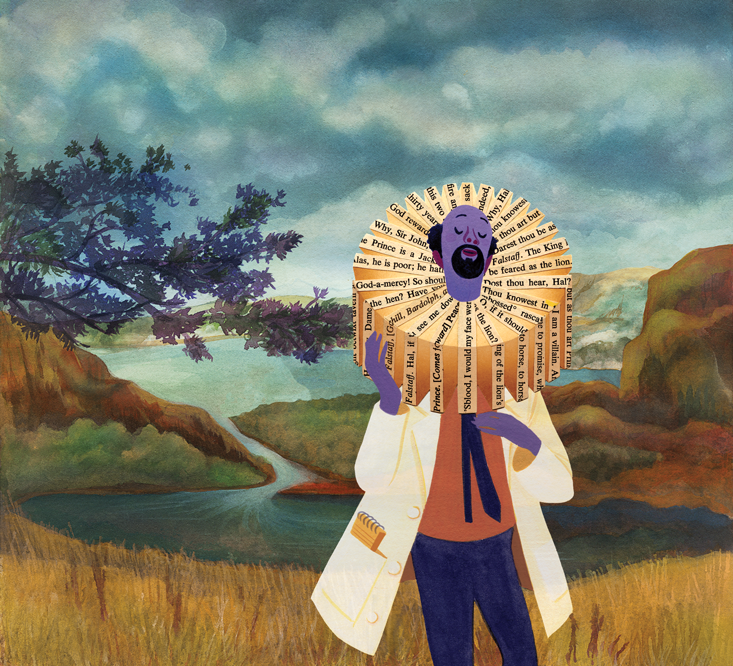
Shakespeare’s Genius Is Nonsense
In the study of the human mind, old disciplinary boundaries have begun to dissolve and fruitful new relationships between the sciences and humanities have sprung up in their place. When it comes to the cognitive science of language, Stephen Booth may be the most prescient literary critic who ever put pen to paper. In his…
-
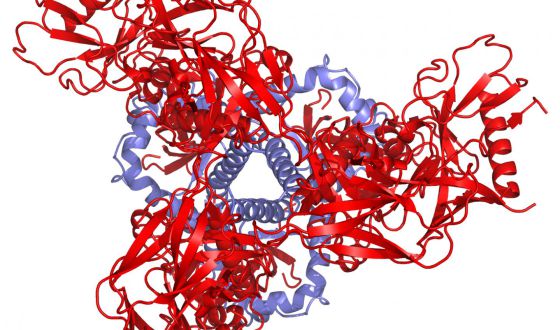
Descrito el cambio de la cubierta del VIH que lo hace infectivo
Gran parte de la capacidad del VIH para escapar al sistema inmunitario y a los intentos para desarrollar vacunas están en el carácter cambiante de su cubierta. Por eso, la descripción —y obtención de imágenes— que sufre el virus justo antes de infectar a una célula se considera un paso clave para derrotarlo. Este trabajo,…
-
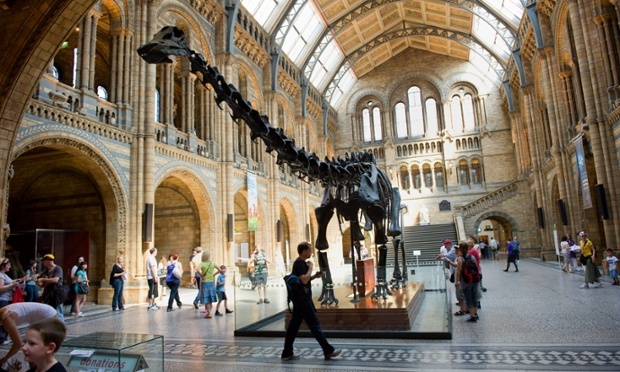
Supersized dinosaurs divided up their dinner
The giant sauropod dinosaurs like Diplodocus and Apatosaurus are familiar thanks to their huge sizes and unique body shapes of a long neck and tail with a tiny head perched on top. Among their ranks were the largest terrestrial animals of all time, and yet an enduring mystery remains – how did so many animals…