

Zientzia hedabideetan
-
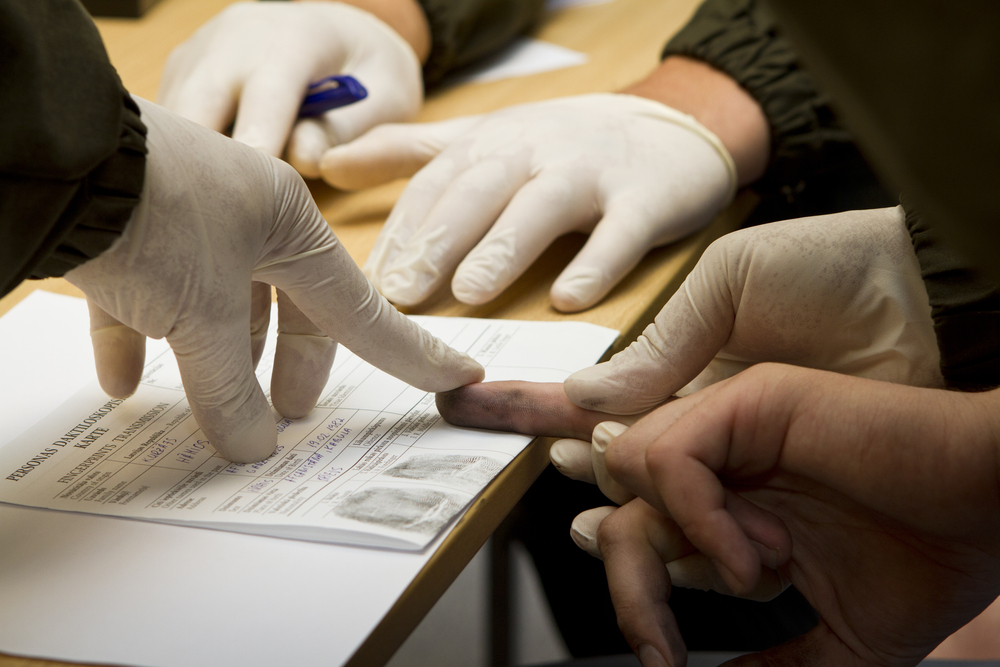
Fingerprints Change Over the Course of a Person’s Life
Fingerprints may not be the permanent biological signatures we’ve built them up to be.
-
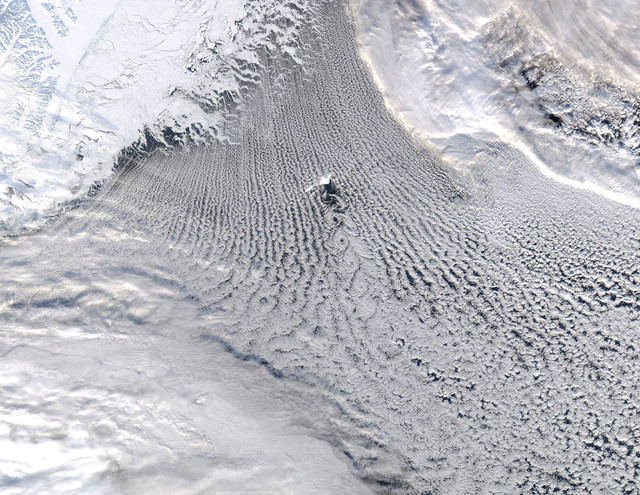
La retirada del hielo en el Atlántico Norte podría enfriar el clima del oeste de Europa
Un estudio, publicado en Nature Climate Change, alerta de las consecuencias del calentamiento global en la circulación océanica del Atlántico Norte, y examina por primera vez estos cambios en el intercambio de calor del aire al mar.
-
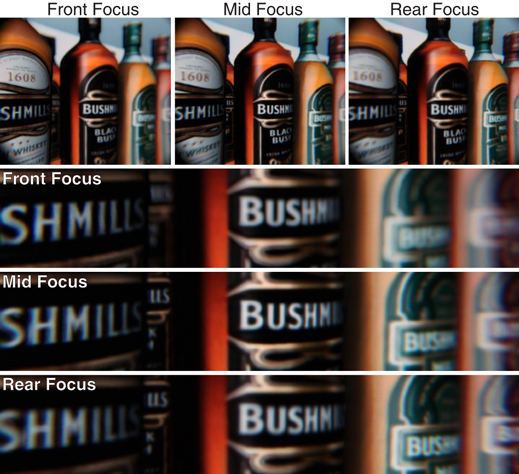
How to Stop Virtual Reality from Making You Want to Puke
While the technology has improved immensely in the last couple years, there are still plenty of crucial issues to be sorted out—among them that feeling of motion sickness that some people have when experiencing virtual reality, which arises from what’s known as vergence-accommodation conflict.
-
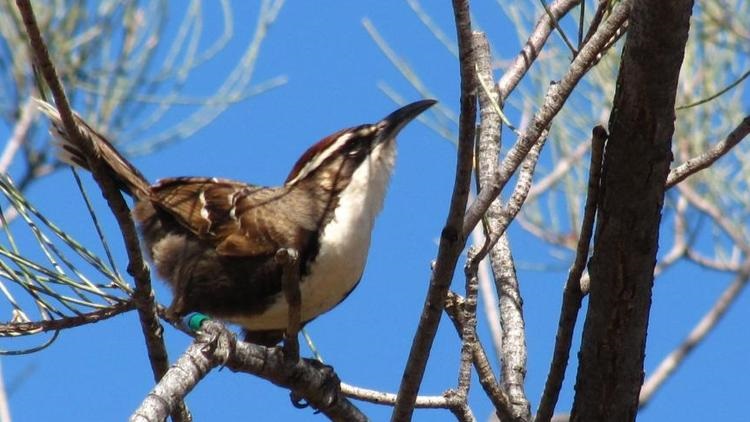
These ‘babbler’ birds could shed light on human language
Move over, parrots. Here’s another bird with some impressive “language” skills: The chestnut-crowned babbler. Scientists studying the social birds have discovered that they can rearrange meaningless sounds in their calls to form different, meaningful messages.
-

Mina arintzeko esperimentu batek agerian utzi du emeen eta arren artean dagoen aldea
Min kronikoaren mekanismoan parte hartzen duten zelulak ez dira berdinak sagu arretan eta emeetan. Hain zuzen ere, Kanadako eta Estatu Batuetako ikertzaileek elkarlanean egindako esperimentu batean, berretsi dute sagu arretan immunologia-sistemaren zelula espezializatu batzuek, mikrogliak, parte hartzen dutela minaren transmisioan; horrekin batera, ordea, frogatu dute emeetan beste zelula batzuk direla arduradunak. Ikertzaileen ustez, horrek azal…
-
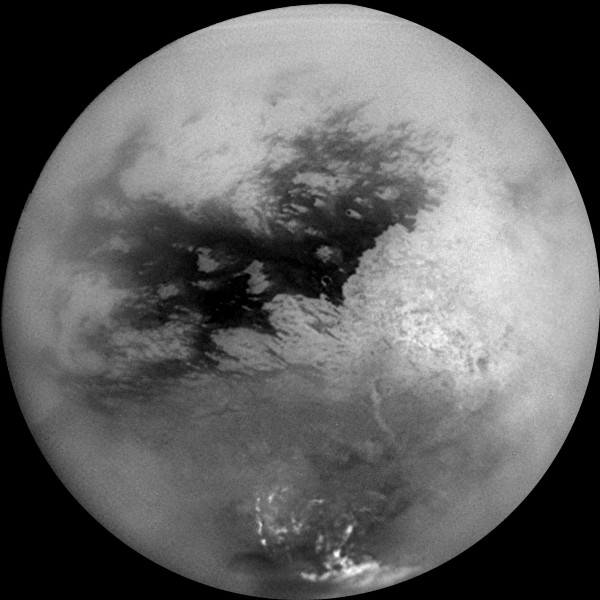
Early Titan Was a Cold, Hostile Place For Life
Titan’s methane is thought to be less than a half billion years old, leading astrobiologists to wonder what Titan’s atmosphere looked like early in its history when there was little to no methane present. Could it reflect what Earth might have looked like earlier in our planet’s history before life arrived?
-

Blowing in the wind? The mystery of Kawasaki disease
Hard to diagnose, with an unknown cause, Kawasaki disease has been puzzling doctors for 150 years. Jeremy Hsu explores what we know, and still don’t know, about this troubling childhood heart condition.
-
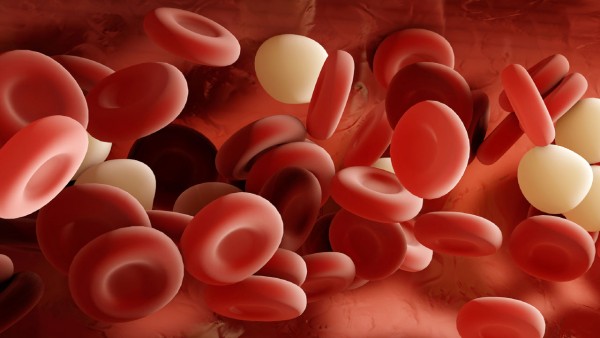
Sorting cells through levitation
What looks like a row of drifting gumdrops could hold a wealth of information for both clinical researchers and bench scientists. A team of bioengineers and geneticists has designed a device that can suspend a single living cell between magnets and measure its density based on how high it floats. Such measurements could be used…
-
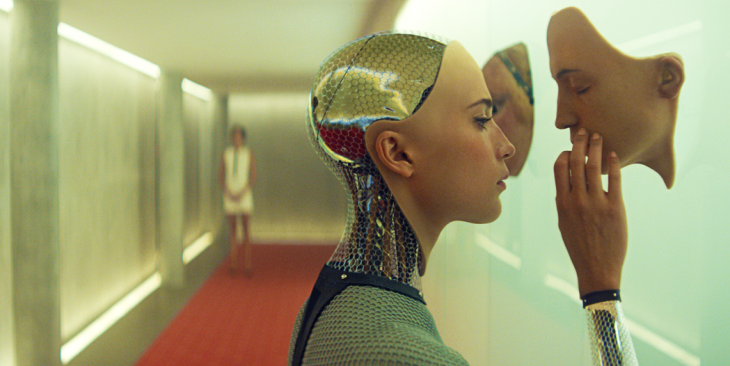
Could artificial intelligence kill us off?
Despite big differences about how best to conduct the search and where to look, several of the most persistent sleuths have found themselves disconcertingly close to agreement. No-one is yet at the stage when they are ready to call a press conference and announce to the world they have finally apprehended the suspect, but they…