

The Conversation
-
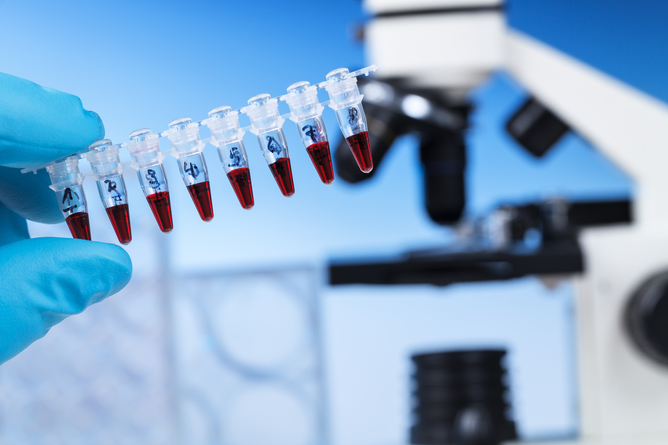
Sex offending may be in the genes but knowing that won’t prevent it
The research, which analysed DNA from 21,566 men convicted of sex offences in Sweden between 1973 and 2009, found that sons and brothers of convicted sex offenders were four to […]
-

Number-crunching Higgs boson: meet the world’s largest distributed computer grid
The world’s largest science experiment, the Large Hadron Collider, has potentially delivered one of physics’ “Holy Grails” in the form of the Higgs boson. Much of the science came down […]
-
There’s no evidence human pheromones exist – no matter what you find for sale online
The idea of human pheromones is intuitively appealing, conjuring up the idea of secret signals that make us irresistible to potential partners. But this connection of pheromones with sex may […]
-
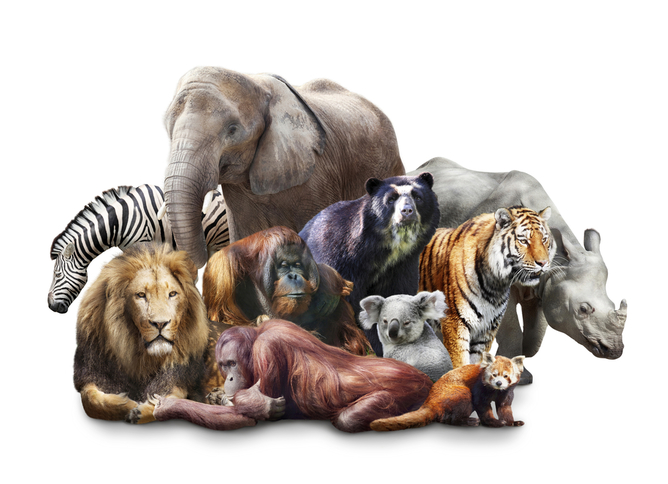
We’re all mammals – so why do we look so different?
It is easy to distinguish a mouse from a cow. But for members of the same class of mammal, where do such differences begin? In 2011, scientists discovered there were […]
-

On the origin of 4-4-2: evolution, animals and football
Natural selection has shaped many different animal groups, from V-like formations of bird flocks to circular mills of schooling fish. These shapes are the result of millions of years of […]
-

After Kepler, what is next for the planet hunters?
The Kepler telescope is limping. Since 2013, it has not been able to point with sufficient accuracy to planet hunt in its original field, which caused a temporary halt to […]
-
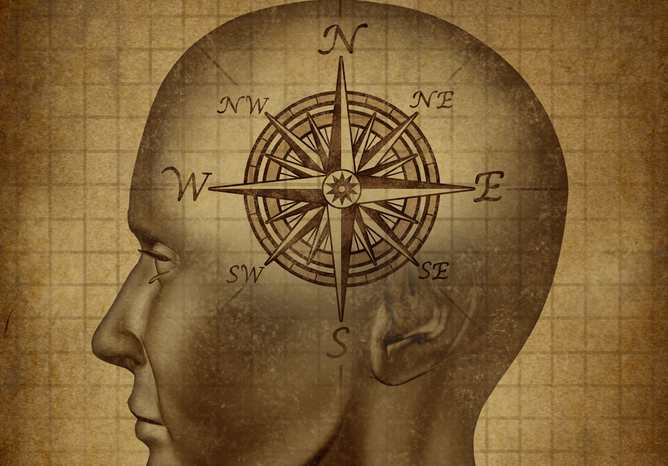
Found: the missing part of brain’s ‘internal compass’
If you have taken a walk and would like to return home you need to have an idea of where you are in relation to your destination. To do this, […]
-

Revealed: the unparalled scale of big data analysis behind Santa’s naughty or nice list
After a year in which further details of national intelligence agencies’ shadowy surveillance networks were laid bare, a fresh leak of documents reveals the obsessive surveillance that extends as far […]
-
We’re simply having an analogue Christmas time
We’ve found that despite the torrent of phones, tablets, laptops and other gizmos that might be given as gifts, the Christmas holiday has not yet been thoroughly infiltrated by technology […]