

The Conversation
-
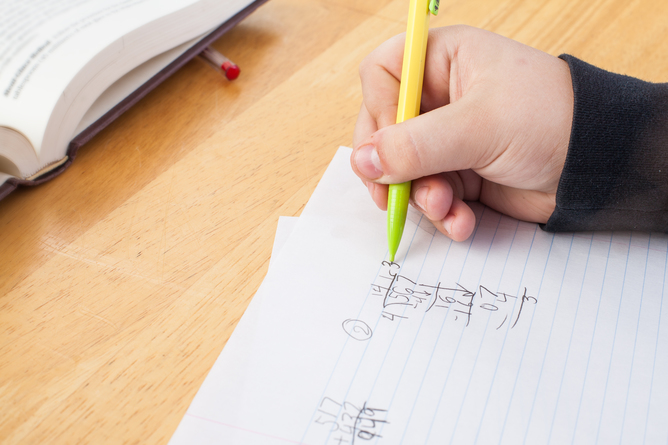
Saying ‘I’m not good at maths’ is not cool – negative attitudes are affecting business
A new report by the Australian Industry group claims that low literacy and numeracy skills in the Australian workforce are affecting business.
-
Five key findings from 15 years of the International Space Station
Humans have now been living on the International Space Station for 15 years. Here’s what we’ve learned.
-

Fat-burning fat exists, but might not be the key to weight loss
The potential health benefits of energy-burning brown and beige fat might be not the effect on weight, but rather on blood sugar and cholesterol.
-
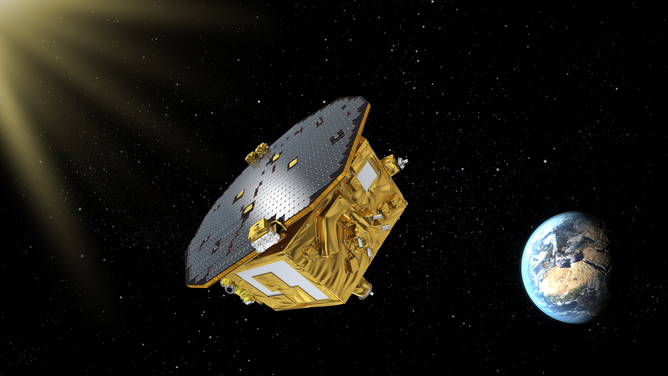
LISA Pathfinder will pave the way for us to ‘see’ black holes for the first time
It has been a century since Einstein presented his theory of general relativity but it is still helping us unveil some of the deepest mysteries of the universe. Now the LISA pathfinder mission will prepare the way for us to study violent events that we’ve never seen before – such as the creation of massive…
-
Why cats are fussy eaters but dogs will consume almost anything
Cats share some important genes associated with herbivores – this might explain their particular eating habits.
-

What’s it like to see auroras on other planets?
Witnessing an aurora first-hand is a truly awe-inspiring experience. The natural beauty of the northern or southern lights captures the public imagination unlike any other aspect of space weather. But auroras aren’t unique to Earth and can be seen on several other planets in our solar system.
-
Do trees really help clear the air in our cities?
Some recent studies have suggested that trees may in fact worsen urban air quality by trapping pollutants at street level.
-
The chemistry that could feed life within Saturn’s moon Enceladus: study gives clue ahead of flyby
Saturn’s 502km-diameter icy moon Enceladus has fascinated scientists since it was first seen up close by NASA’s Voyager probes in the 1980s. The moon is venting plumes of ice particles into space including traces of methane, carbon and simple organic compounds – making it a good candidate for harbouring life.
-
The future of scientific publishing: let’s make sure it’s fair as well as transparent
Scientific publishing has undergone a revolution in recent years – largely due to the internet. And it shows no sign of letting up as a growing number of countries attempt to ensure that research papers are made freely available. Publishers are struggling to adapt their business models to the new challenges. But it is not…