

The Conversation
-

How to win the Euro 2016 – with a little help from neuroscience
The current selection system could easily miss world-class footballers such as Xavier “Xavi” Hernández Creus, who plays for Qatari club Al Sadd SC, and fellow Spaniard Andres Iniesta, who plays for FC Barcelona and the Spanish national team – both physically small in stature. Yet they both have the outstanding brain abilities that have allowed…
-

Do women really go for ‘bad boys’? Here’s the science that settles the question
The power of niceness shouldn’t be underestimated. Some studies have shown that having a nice personality can even affect impressions of a person’s physical attractiveness.
-
The UAE wants to build a ‘rainmaking mountain’ – are we all ok with that?
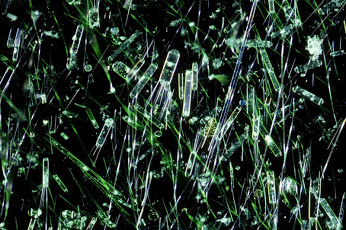
The point is that hills make rain – or to be more precise, hills can create the conditions which cause moisture in the air to condense and fall as rain. This insight has whetted the appetite of the United Arab Emirates (UAE). Not content with the Burj Khalifa (the world’s tallest building) and the man-made…
-

Losing your virginity: how we discovered that genes could play a part
As far as big life decisions go, choosing when to lose your virginity or the best time start a family are probably right up there for most people. It may seem that such decisions are mostly driven by social factors, such as whether you’ve met the right partner, social pressure or even your financial situation.…
-
Why lightsabers would be far more lethal than George Lucas envisioned
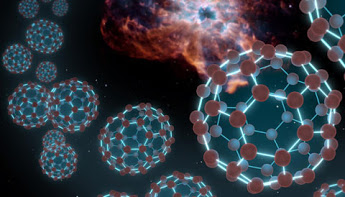
While it is in theory possible to build a lightsaber, it’s likely it would be the most dangerous weapon ever created – both for the perpetrator and the victim.
-

Is ‘internet addiction’ a misnomer?
A recent study by Phil Reed and colleagues provides some experimental evidence that internet addicts may be conditioned by what they view on the screen.
-

How our bias toward the future can cloud our moral judgement
If you want to get away with doing something bad, don’t tell anyone until after you’ve done it.
-

The secret to staying young? Scientists boost lifespan of mice by deleting defective cells
Researchers managed to increase the lifespan of mice by an impressive 25% by deleting “senescent” cells, dysfunctional cells which build up as we age and cause damage to tissue. Crucially, the mice lived longer because they were healthier.
-

How your friends affect your health
Think about your five closest friends. What do they care about? Do they love the gym? Long walks on the beach? Maybe they smoke, or are overweight. You should choose your friends wisely, because they can have a big influence on your health.