

Science
-

EU frees up data for science
Scientists in Europe have won a major battle over access to personal health data. A research coalition had worried that draft European Union (EU) legislation would have sharply restricted scientific use of such data. This week, however, scientist-friendly amendments emerged from negotiations between the European Parliament, the European Council, and the European Commissio
-
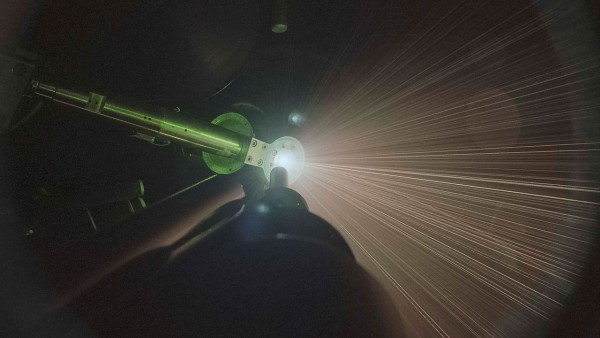
Physicists find new evidence for helium ‘rain’ on Saturn
Using one of the world’s most powerful lasers, physicists have found experimental evidence for Saturn’s helium “rain,” a phenomenon in which a mixture of liquid hydrogen and helium separates like oil and water, sending droplets of helium deep in the planet’s atmosphere. The results show the range of blistering temperatures and crushing pressures at which…
-
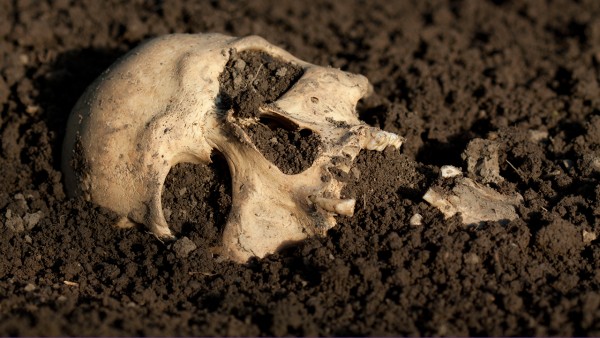
Thousands of unexpected microbes break down our bodies after death
“Dust to dust” may not be God’s work so much as the enterprising efforts of soil microbes. But until now, little was known about how these tiny undertakers turn our bodies to dust. New research shows that, no matter where we’re buried, the same bacteria, fungi, and other small organisms in the soil ransack our…
-
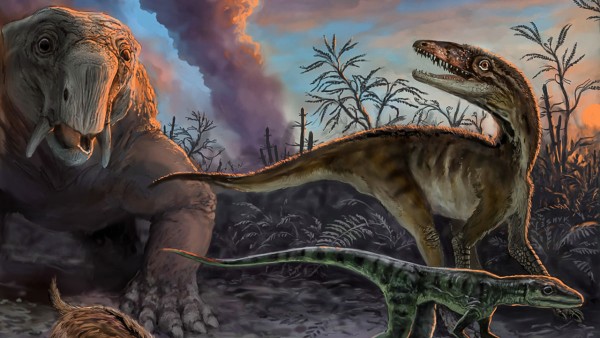
Dinosaurs evolved much faster than previously thought
Dinosaurs evolved from their smaller ancestors in just a few million years and not the 10 million years or more scientists had suspected, according to a new study. The work, based on radioactive dating of rocks sandwiching the earliest fossils of those predecessors, suggests that paleontologists have long misjudged the overall pace of dinosaur evolution.
-
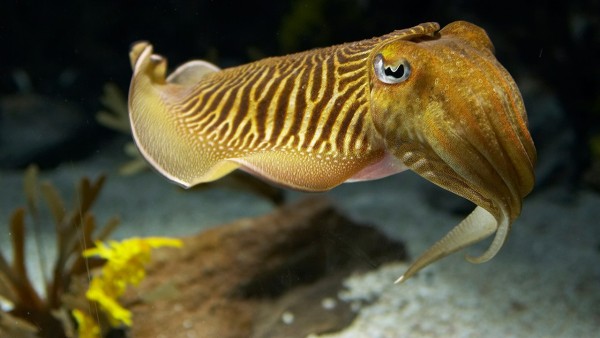
When cuttlefish hold their breath, they become nearly invisible to sharks
Scientists have long known that cuttlefish (Sepia officinalis, shown) and some of their kin stop breathing when threatened by predators, but they supposed that freezing in place merely aided the creature’s visual camouflage. Turns out, it serves another purpose: A lack of water flowing over the gills decreases electrical activity there that can betray the…
-
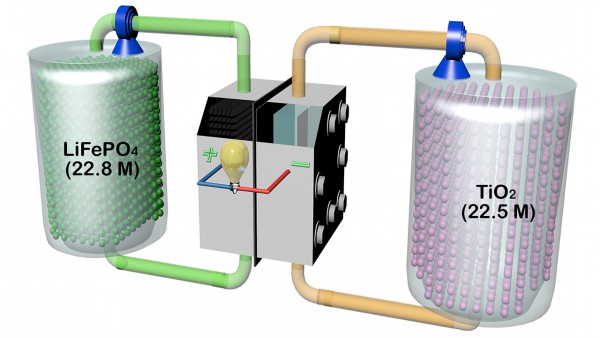
New type of ‘flow battery’ can store 10 times the energy of the next best device
Industrial-scale batteries, known as flow batteries, could one day usher in widespread use of renewable energy—but only if the devices can store large amounts of energy cheaply and feed it to the grid when the sun isn’t shining and the winds are calm. That’s something conventional flow batteries can’t do. Now, researchers report that they’ve…
-
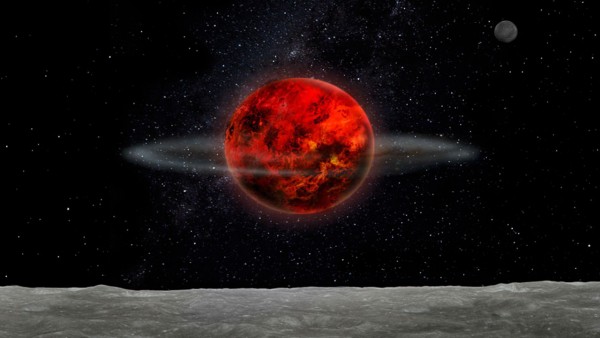
How the moon got its tilt—and Earth got its gold
Miniplanets zooming through our early solar system passed close to our moon and tugged it into the strange, tilted orbit it has today, according to a new study. The findings solve a longstanding mystery and may also explain why Earth’s crust is unexpectedly rich in gold and platinum: When some of these small planets slammed…
-
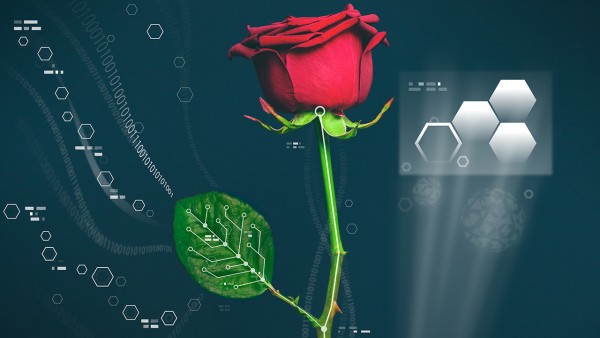
In electrifying advance, researchers create circuit within living plants
Talk about flower power. Researchers have crafted flexible electronic circuits inside a rose. Eventually such circuitry may help farmers eavesdrop on their crops and even control when they ripen. The advance may even allow people to harness energy from trees and shrubs not by cutting them down and using them for fuel, but by plugging…
-
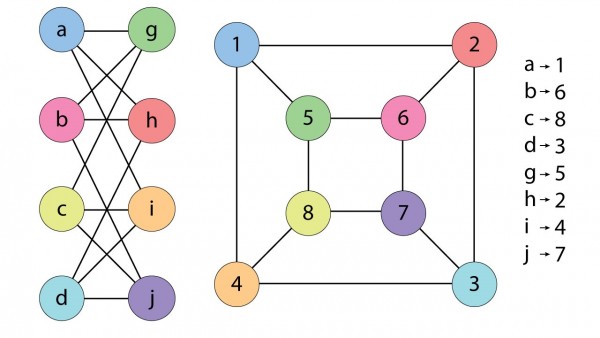
Mathematician claims breakthrough in complexity theory
For days, rumors about the biggest advance in years in so-called complexity theory have been lighting up the Internet. That’s only fitting, as the breakthrough involves comparing networks just like researchers’ webs of online connections. László Babai, a mathematician and computer scientist at the University of Chicago in Illinois, has developed a mathematical recipe or…