

Eos
-
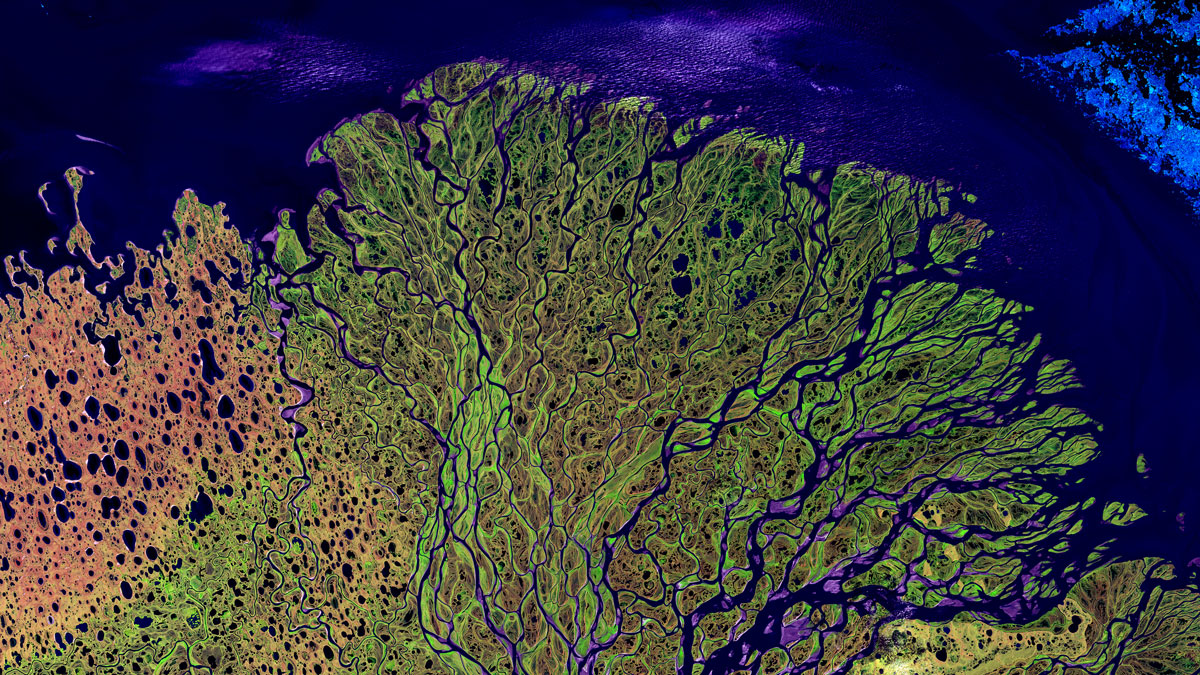
Arctic Rivers Trade Inorganic Nitrogen for Organic
Climate change is shifting the makeup of a key nutrient in rivers across Russia, Alaska, and Canada, with the potential for ecosystem-wide impacts.
-
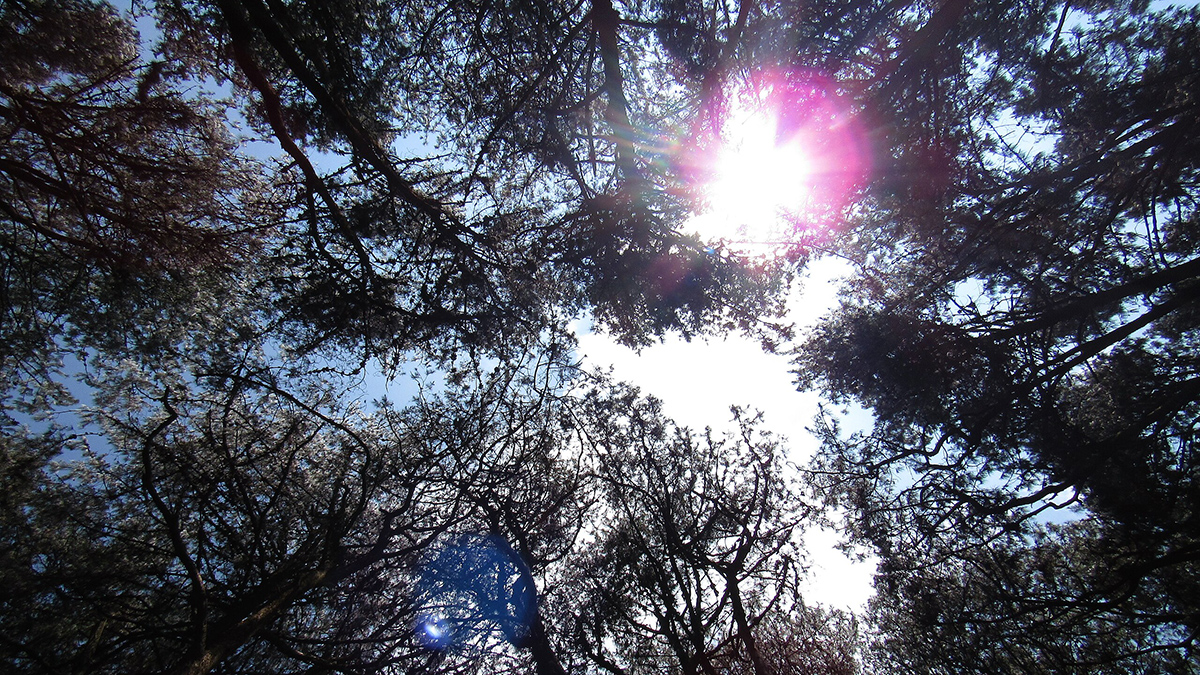
How Plants Respond to Scattered Sunlight
A new study investigates how diffuse light affects evapotranspiration and carbon uptake across forest, grassland, shrub, and agricultural areas.
-

More Bubbles Means More Variation in Ocean Carbon Storage
A new model accounting for the role of bubbles in air-sea gas exchanges suggests that ocean carbon uptake is more variable than previously thought.
-
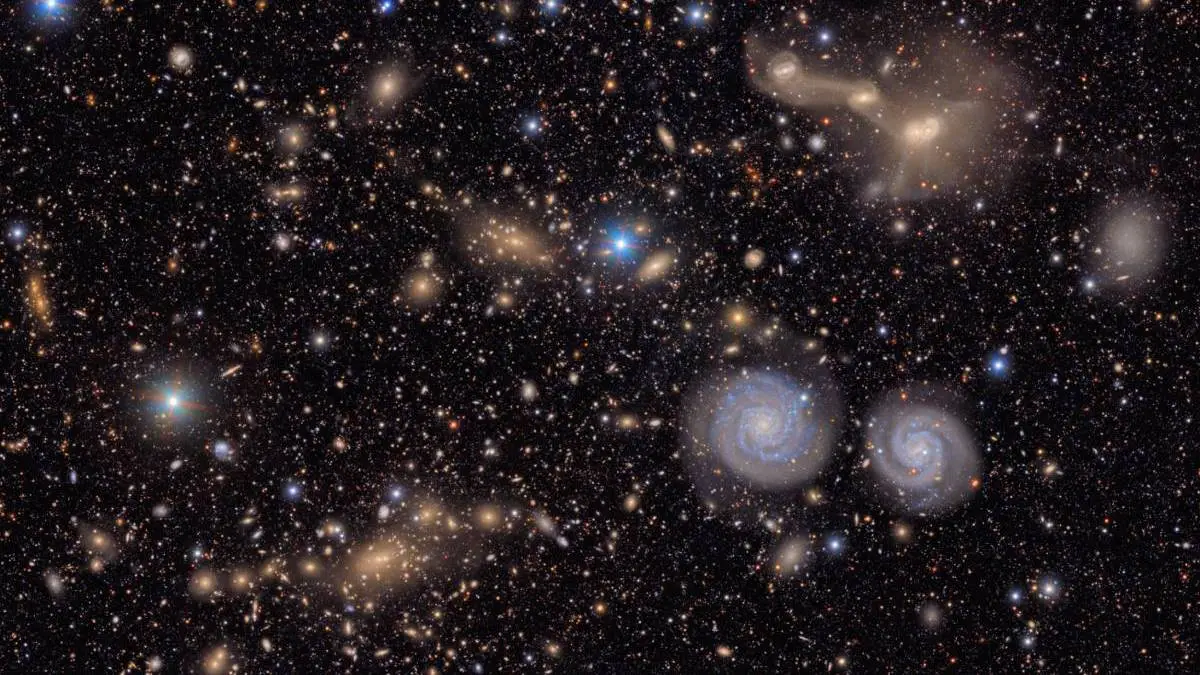
Rubin Observatory Stuns and Awes With Sprawling First Look Images
The Vera C. Rubin Observatory, funded by the National Science Foundation and U.S. Department of Energy, has been 3 decades in the making, and it just released its first science images. […]
-
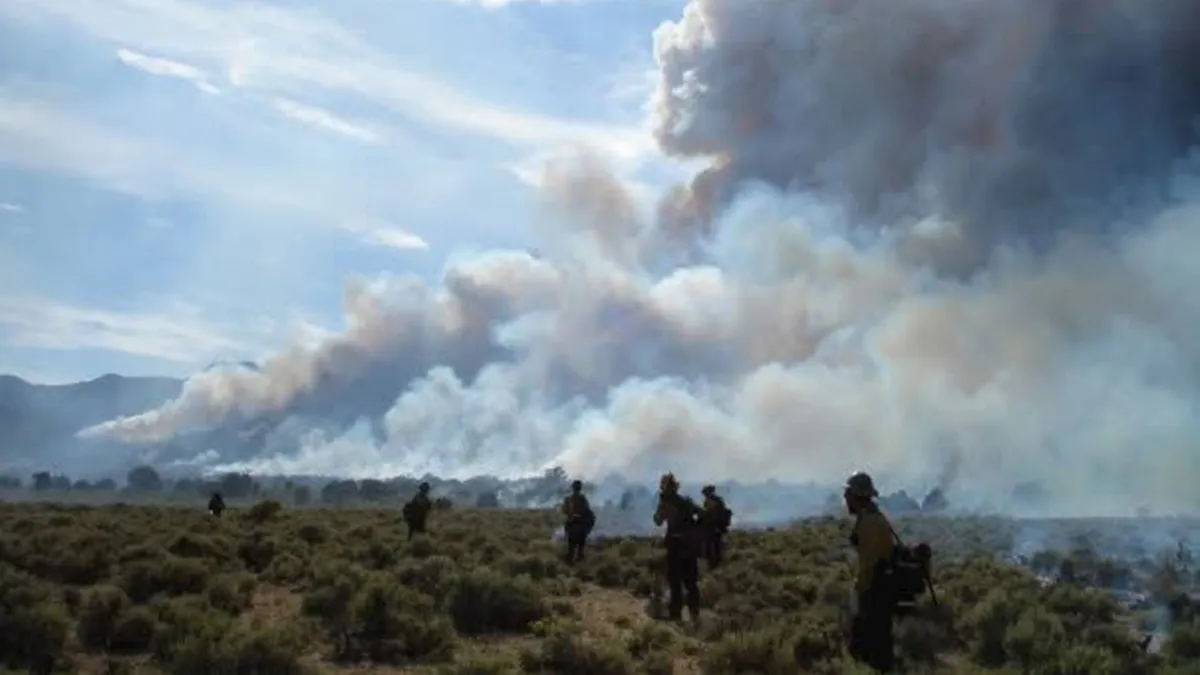
The Goldilocks Conditions for Wildfires
Twenty years of data from around the world show that areas that are not too dry and not too wet are most conducive to wildfire burning.
-
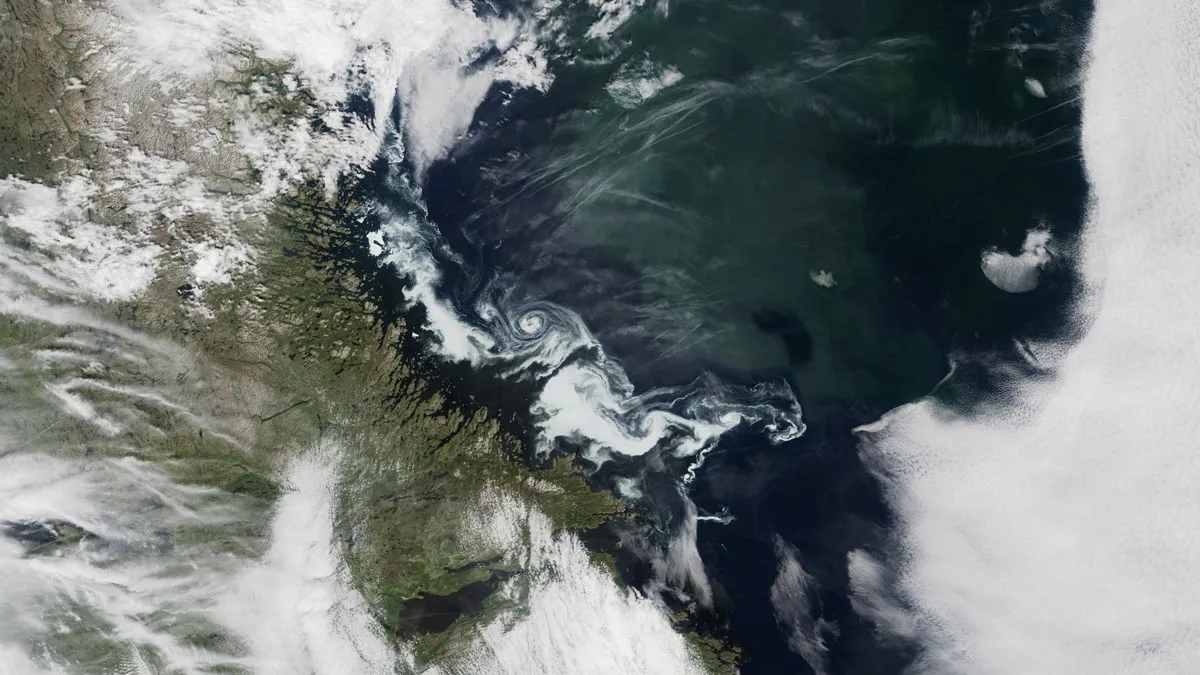
Water Density Shifts Can Drive Rapid Changes in AMOC Strength
High-latitude variations in density, which appear to be driven by changes in atmospheric pressure, can propagate to midlatitudes and affect the current’s strength within just a year.
-
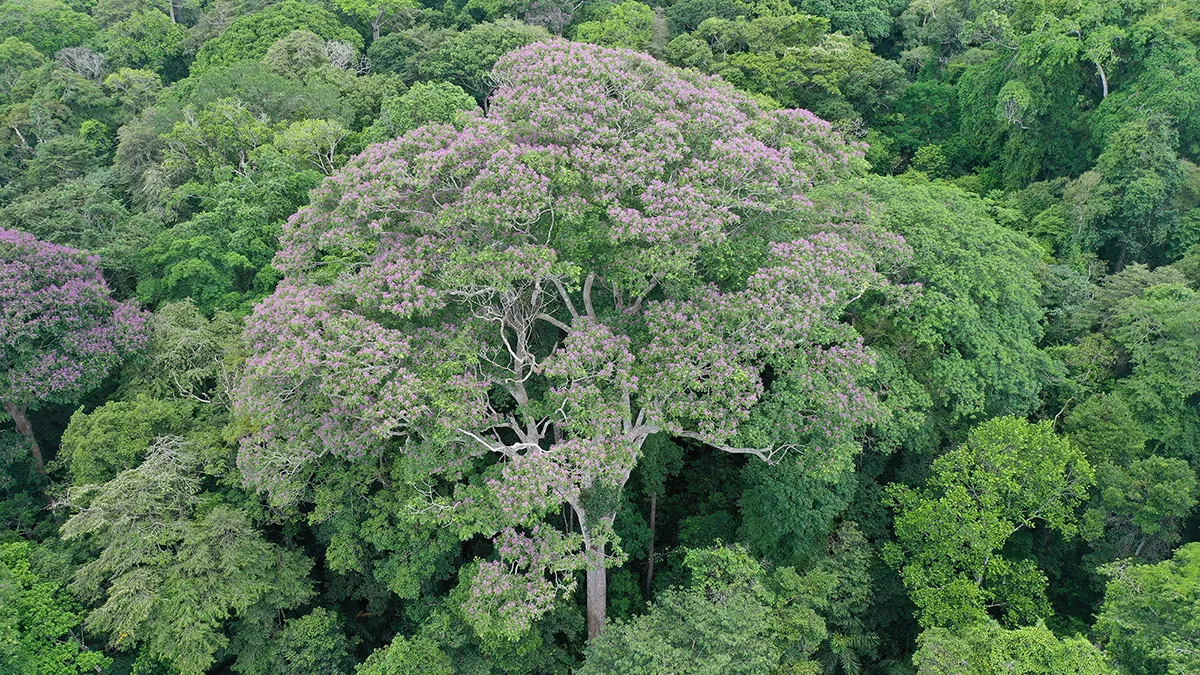
Some Tropical Trees Benefit from Lightning Strikes
Direct lightning strikes cause minimal damage to Dipteryx oleifera. But these same strikes effectively kill parasitic vines and neighboring trees that compete with the species for light and nutrients.
-
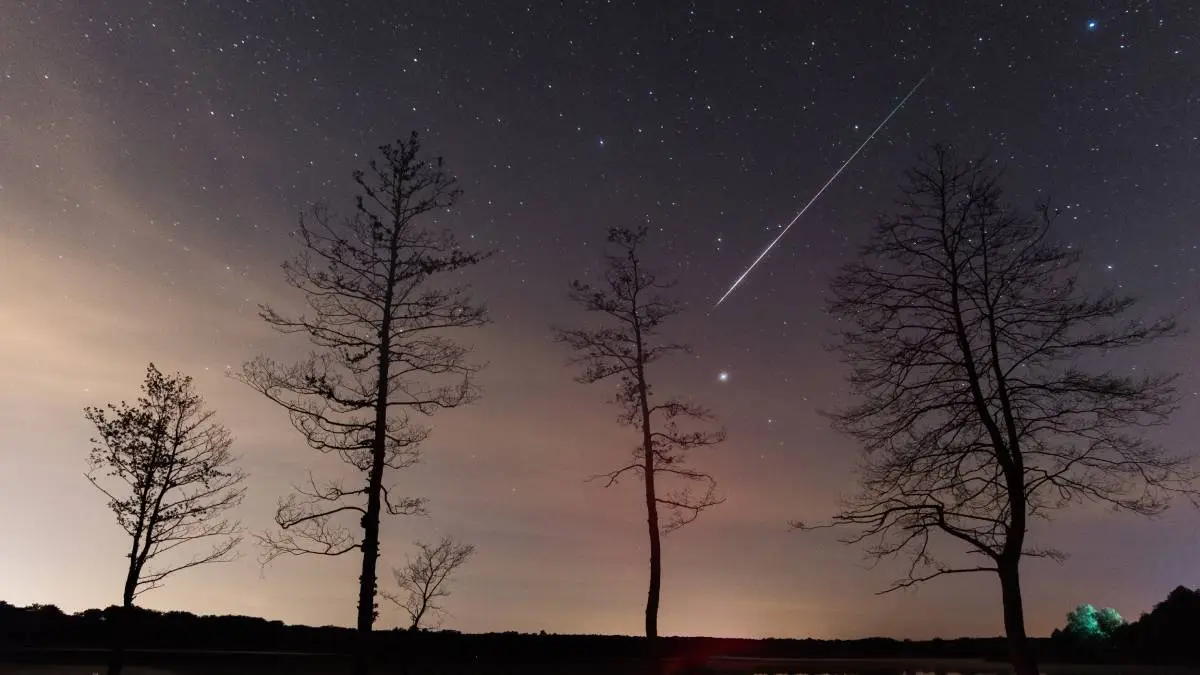
A Geologic Map of the Asteroid Belt
Scientists leveraged a global camera network and doorbell cameras to track dozens of meteorites to their asteroid families.
-
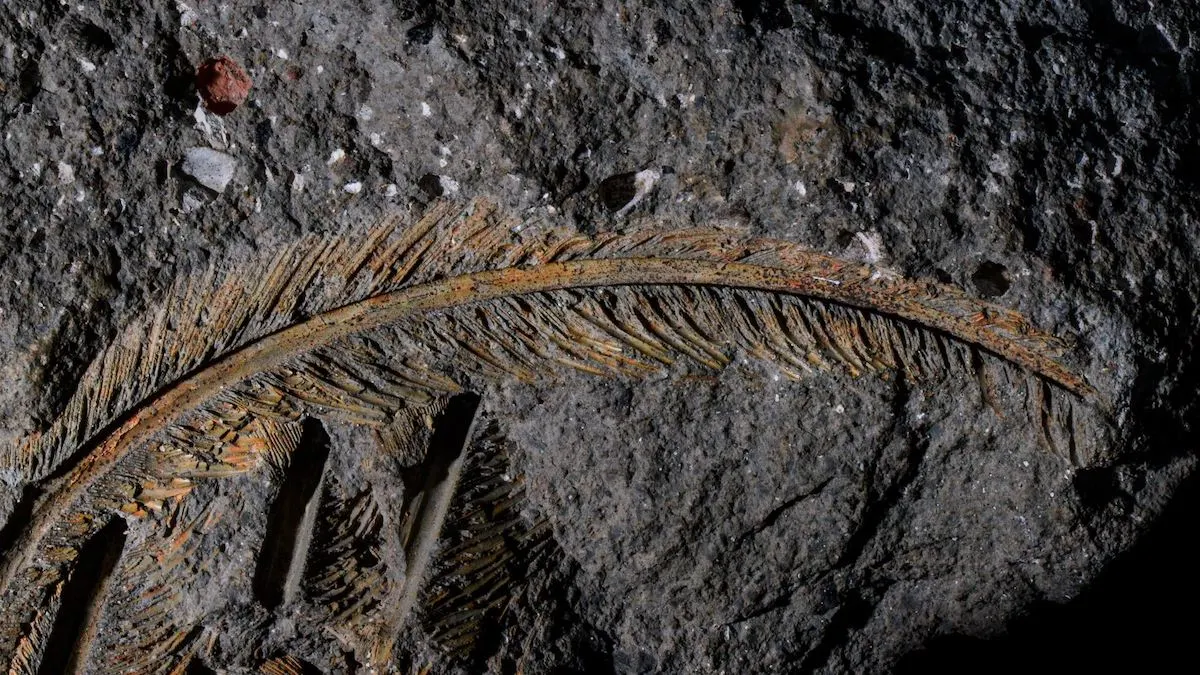
A 30,000-Year-Old Feather Is a First-of-Its-Kind Fossil
A new analysis of a fossil found in 1889 has unveiled the presence of zeolites—and an entirely new mineralization method.