

Eos
-
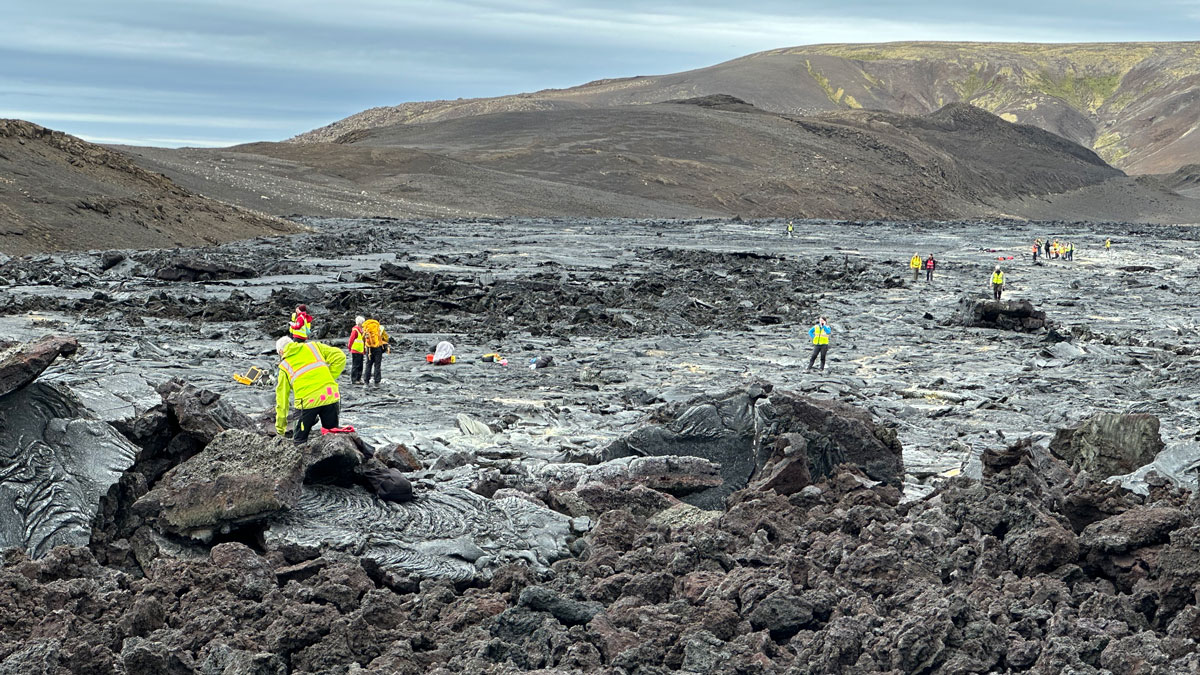
Discovering Venus on Iceland
Scientists trekked across Icelandic lava flows that served as stand-ins for Venus’s volcanic landscapes, testing tools and methods the upcoming VERITAS mission will use when it reaches the planet.
-

New Insights into the Foggy Role of Contrails Within Clouds
New research helps clarify how frequently contrails form within clouds and what that means for their effect on the climate.
-
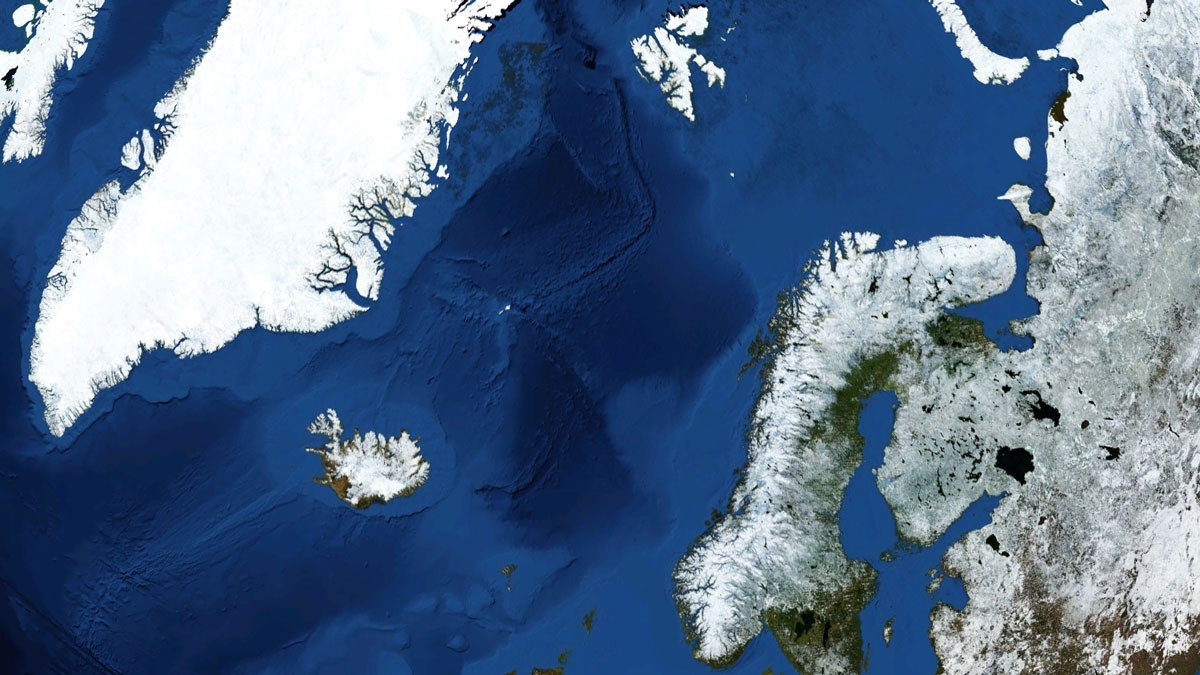
New Eyes on One of the Planet’s Largest Submarine Landslides
Researchers have mapped the ancient Stad Slide off the coast of Norway to better understand what triggered it, and the hunt is on for the tsunami it might have unleashed.
-
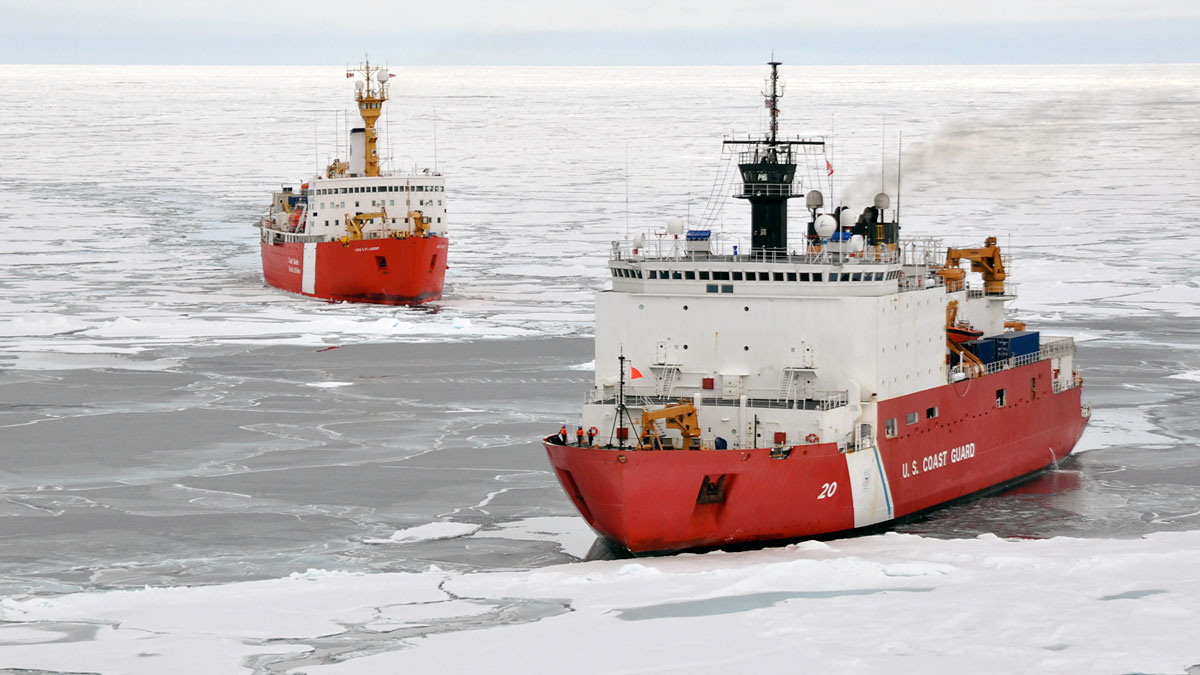
Tiny Turbulent Whirls Keep the Arctic Ocean Flowing
Centimeter-sized turbulence controls the rate at which the Arctic Ocean churns.
-
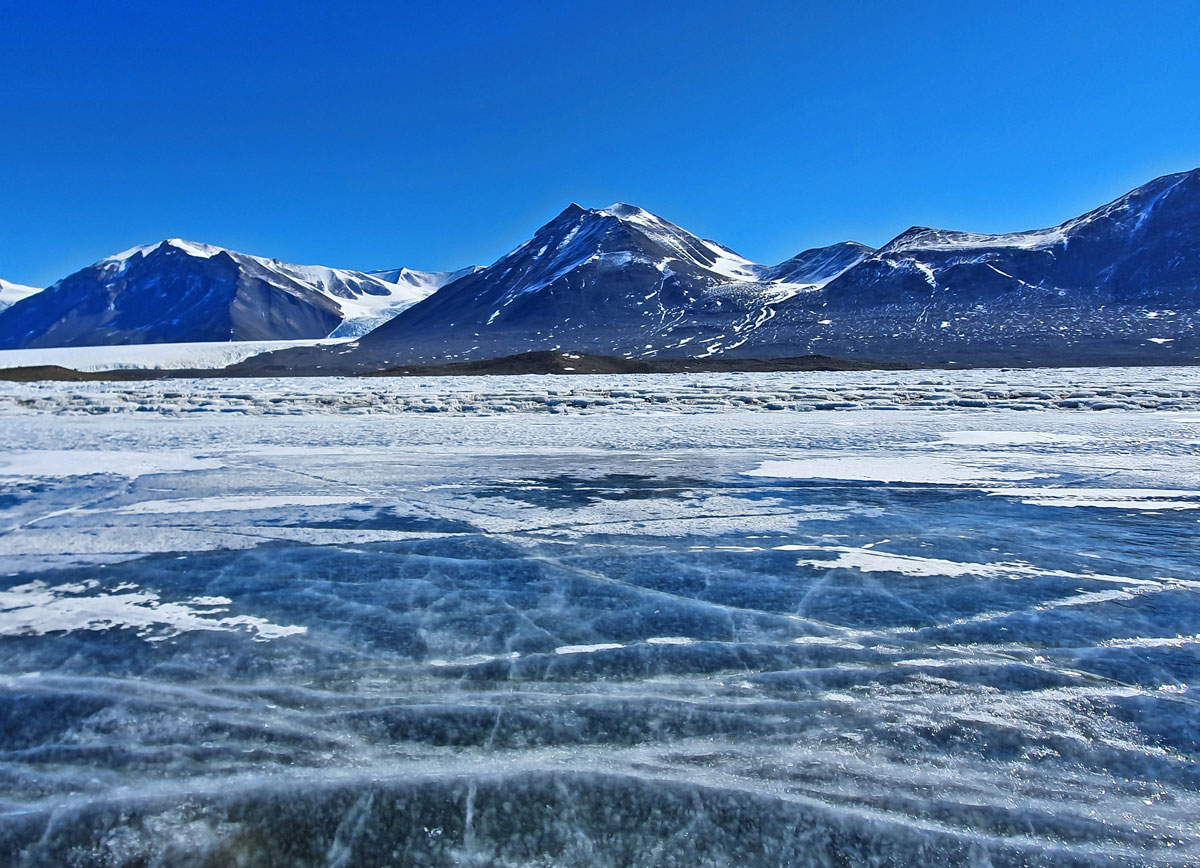
The Land Beneath Antarctica’s Ice Might Be Full of Water
Seismic surveys hint at the extent of a potential groundwater system in the White Continent.
-
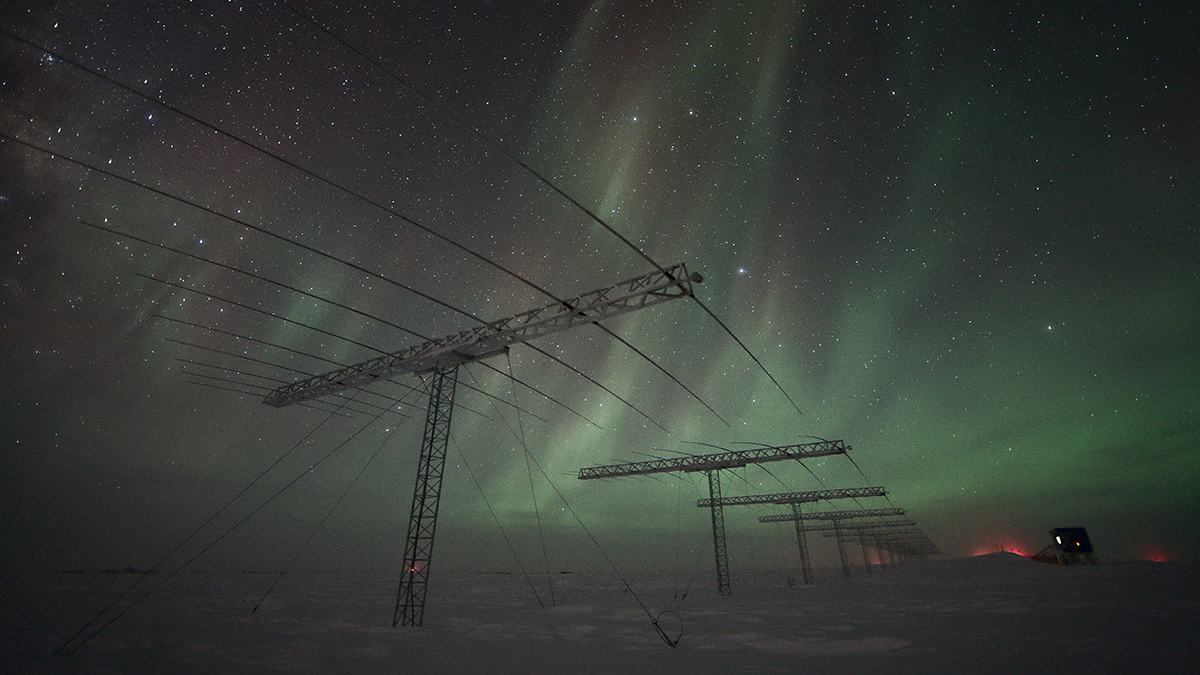
A Weak Spot in Earth’s Magnetic Field Is Going from Bad to Worse
This could be bad news for satellites and spacefarers.
-
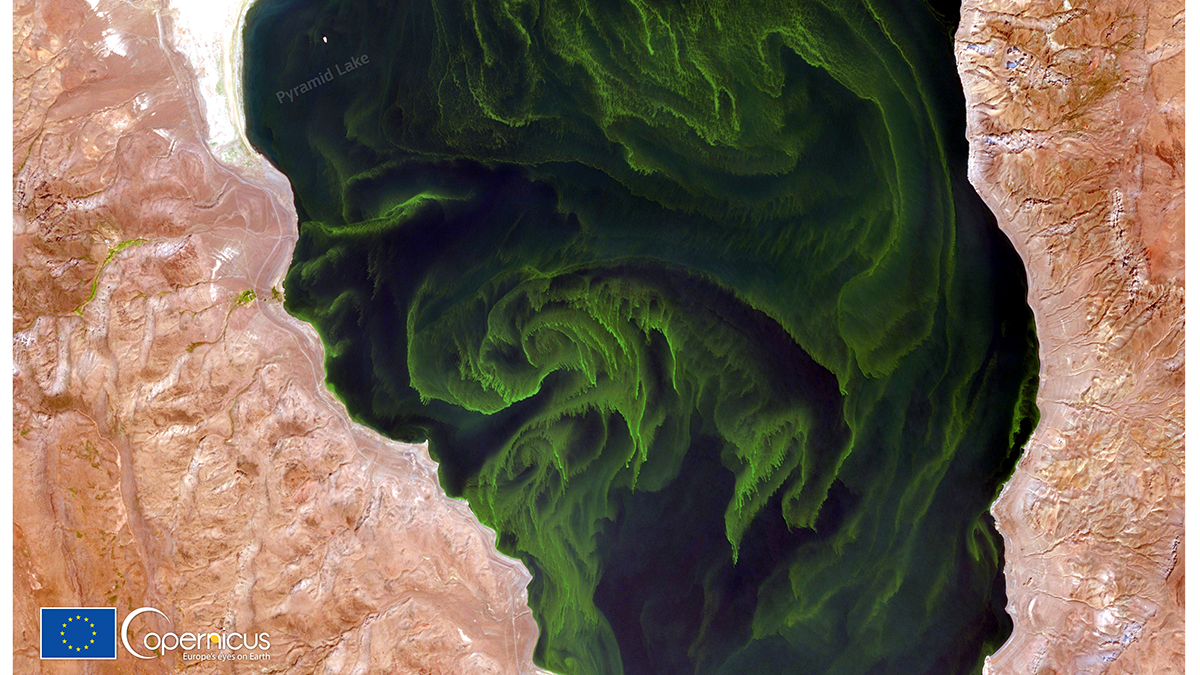
Global Climate Models Need the Nitrogen Cycle—All of It
Nitrogen plays important roles in areas including climate change, human health, and agriculture. A researcher argues that climate models would benefit from more fully incorporating its influence.
-
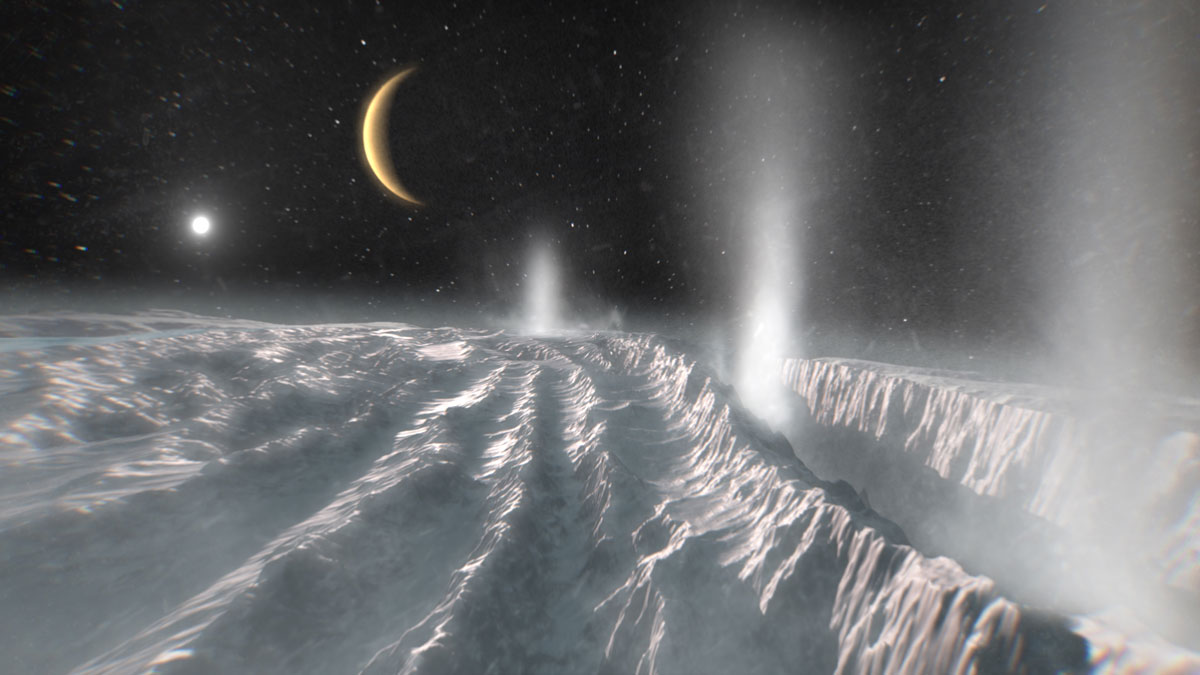
Space Radiation Can Produce Some Organic Molecules Detected on Icy Moons
As missions prepare to visit ocean worlds like Enceladus and Europa, new findings show scientists must first learn to distinguish between radiation-made organics and those born in a subsurface sea.
-
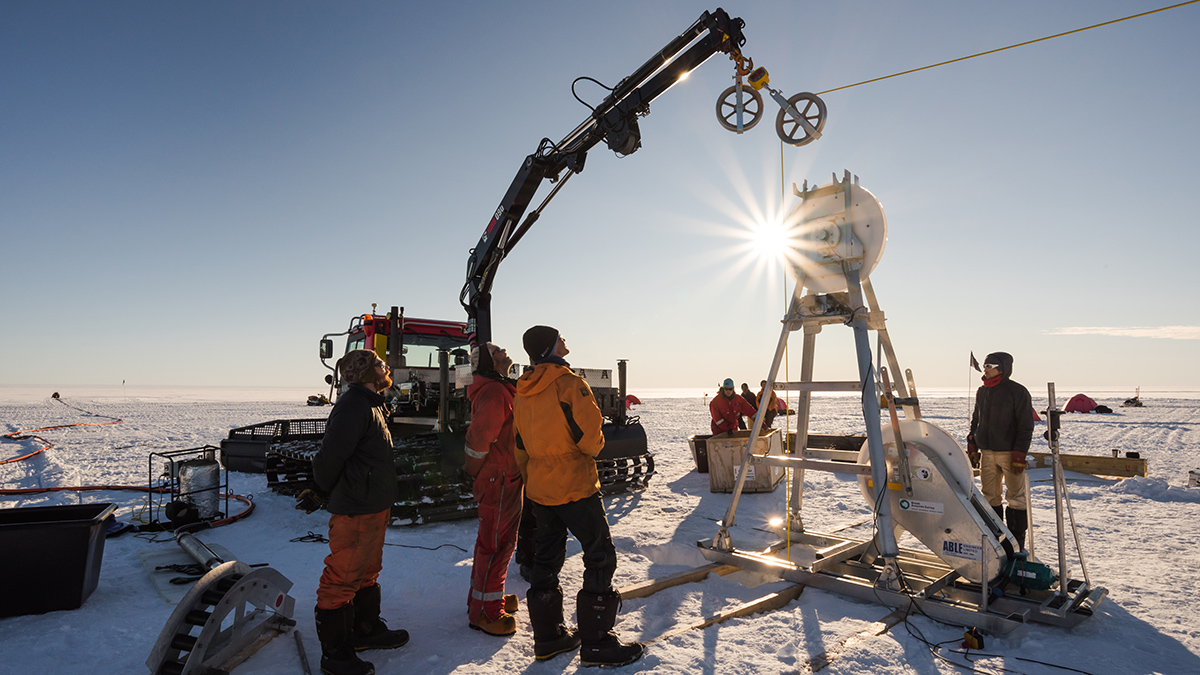
Strong Tides Speed Melting of Antarctic Ice Shelves
Ocean currents along the underside of the ice are a major control over melting.