

Ciencia en los medios
-
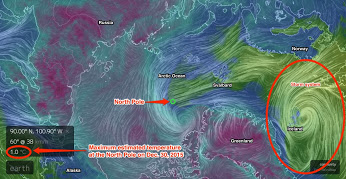
El misterioso origen de la esquizofrenia
Una herramienta crucial para la inmunidad innata, llamada complemento, podría estar detrás.
-
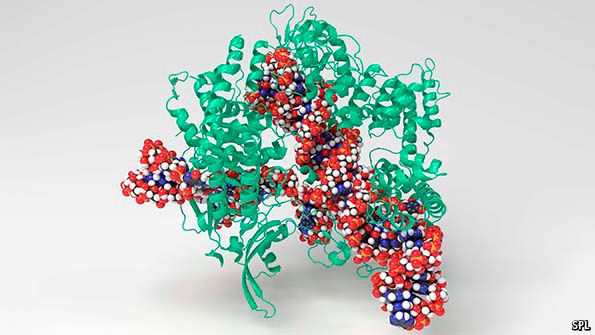
CRISPR crunch
A row over who invented a new gene-editing technique heats up
-

¿Te comerías un plátano transgénico a cambio de 900 dólares?
La Universidad Estatal de Iowa pagará a una docena de estudiantes para que participen en un estudio sobre plátanos transgénicos, enriquecidos para que produzcan más vitamina A.
-

No monkeying around: toddlers as inventive as wild apes at using tools
Whether digging for insects or cracking nuts, children, like apes, work out how to use tools to solve problems without learning from others, research shows
-
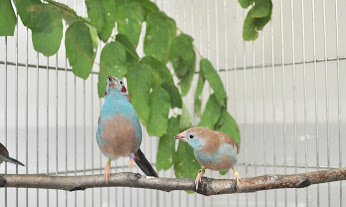
Physics in 1 Trillion Years
When winter weather closed Harvard University one day in 2011, astronomer Avi Loeb used the snow day not to sled or start a new novel but to contemplate the future […]
-
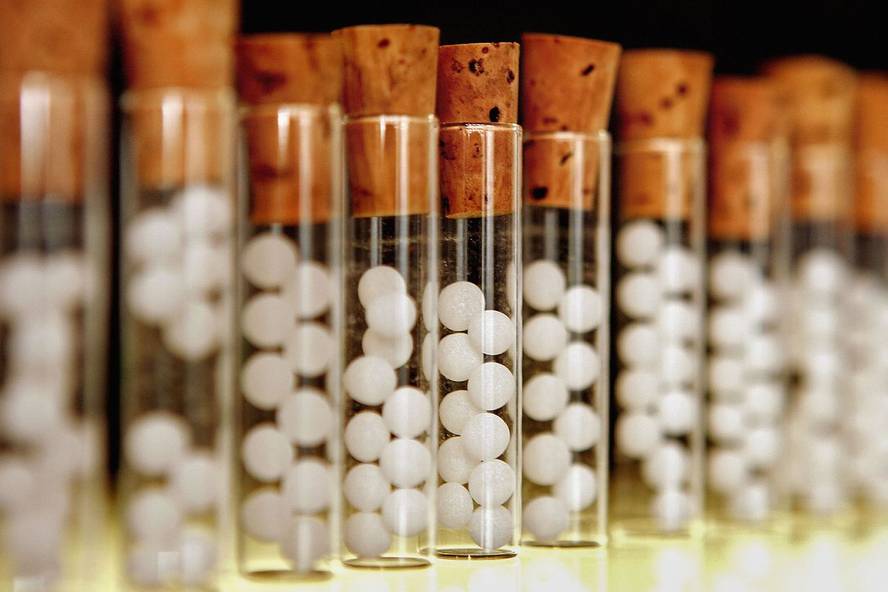
Homeopatia ez da plazeboa baino eraginkorragoa, Australian egindako ikerketa baten arabera
Australiako Osasun Sailak agindutako ikerketa batean homeopatiaren eraginkortasuna aztertu dute 68 gaixotasunetan. Eta ondorioztatu dute bakar batean ere ez dela plazeboa baino eraginkorragoa.
-

Seas Are Rising at Fastest Rate in Last 28 Centuries
Scientists reported Monday that flooding in coastal communities was largely a result of greenhouse gas emissions, and likely to grow worse.
-
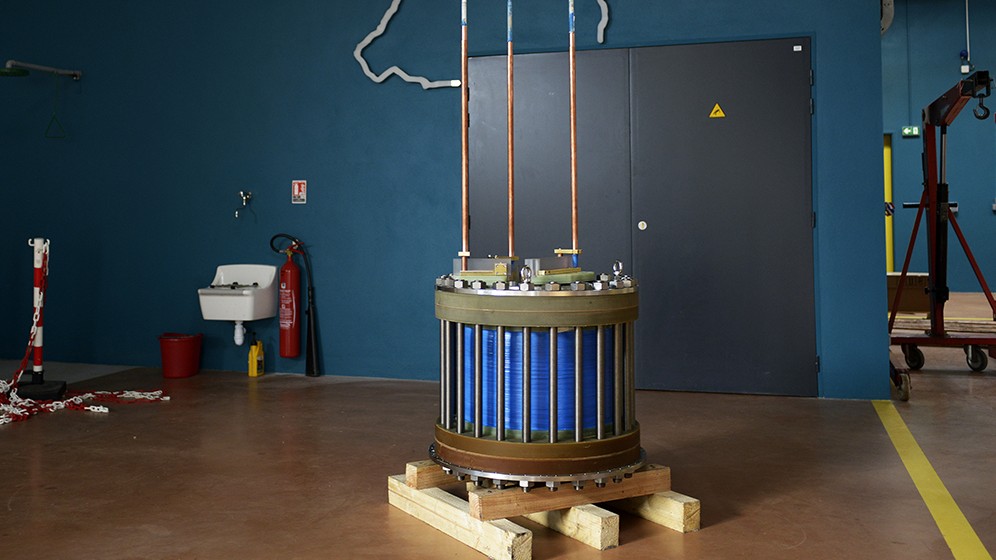
The Quantum Secret to Superconductivity
In a virtuoso experiment, physicists have revealed details of a “quantum critical point” that underlies high-temperature superconductivity.
-
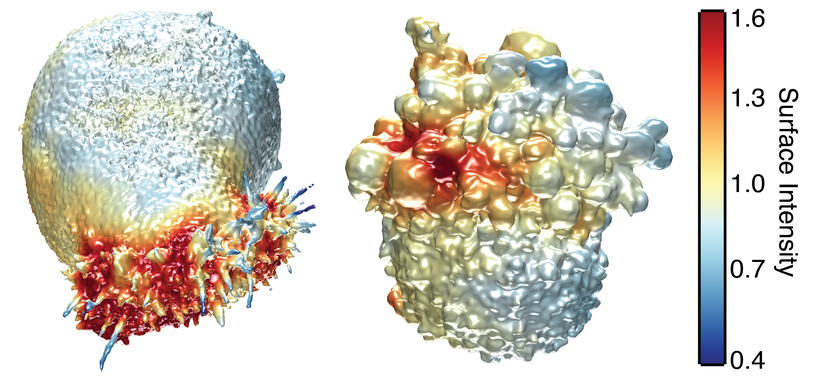
Un microscopio 3D desvela detalles de las células cancerosas
Científicos ópticos de EE UU han desarrollado un nuevo microscopio con el que se pueden visualizar las células cancerosas en tres dimensiones. La nueva herramienta de código abierto puede dar […]