

Ciencia en los medios
-
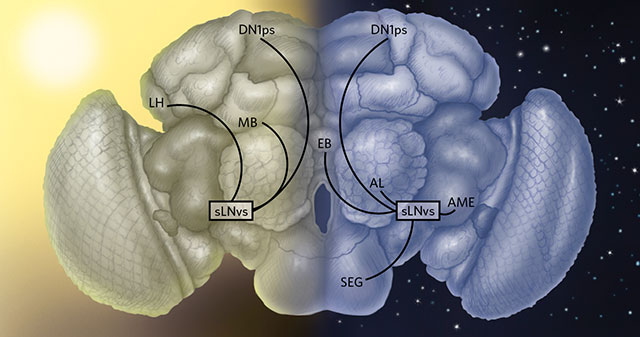
Rhythmic Rewiring
Circadian neurons in fruit flies form synapses with different, noncircadian brain regions depending on the time of day.
-
La batalla que libramos contra el Sol
Científicos españoles trabajan en un sistema de alerta temprana de tormentas solares. La actividad del sol causa problemas en las comunicaciones a diario, con consecuencias en nuestra vida cotidiana. Así […]
-
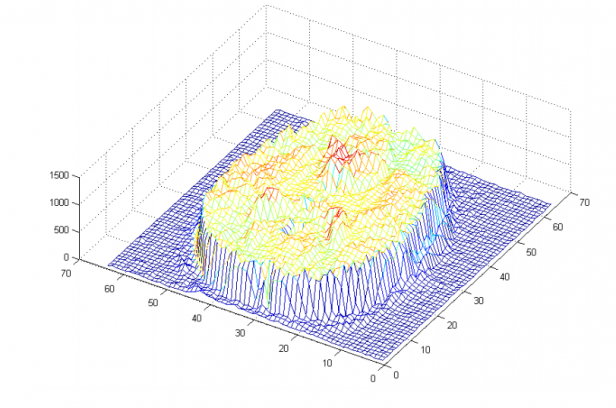
fMRI Data Reveals the Number of Parallel Processes Running in the Brain
The human brain carries out many tasks at the same time, but how many? Now fMRI data has revealed just how parallel gray matter is.
-

The Philosophical Implications of the Urge to Urinate
The state of our body affects how we think the world works
-
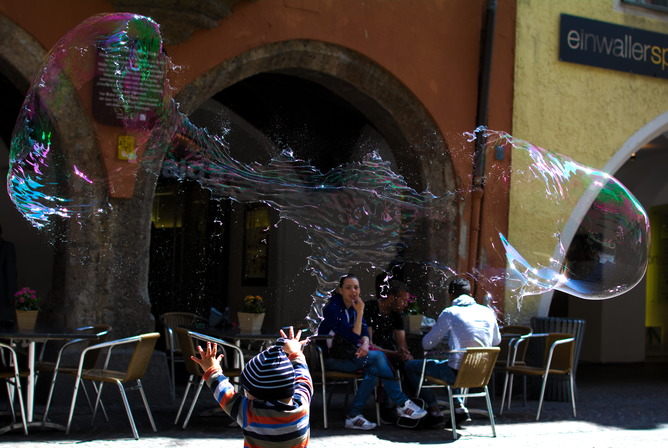
Scientific research can be prone to bubbles too – neuroscience risks being the next one
Science, like any other field that attracts investment, is prone to bubbles. Overly optimistic investments in scientific fields, research methods and technologies generate episodes comparable to those experienced by financial […]
-

Paleolitoko altxorra topatu dute Gipuzkoako kobazulo batean
Ezkuztako aztarnategian (Azpeitia, Gipuzkoa), Paleolitoko bi hagaxka eta beste tresna ugari topatu ditu ikertzaile-talde batek, tartean, Euskal Herriko Unibertsitateko Alvaro Arrizabalagak, Ikerbasqueko Maria Jose Iriartek eta Antxeta Kultura Elkarteko Javier […]
-
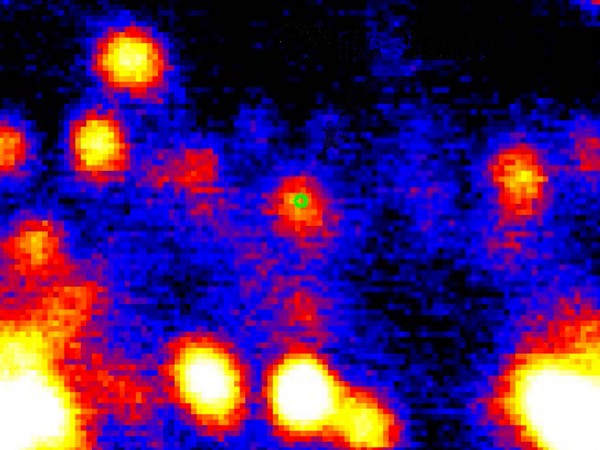
Astronomers identify mysterious object at heart of Milky Way
A mysterious astronomical object known simply as G2 has intrigued and confounded researchers ever since it was found to be on a near-collision course with the supermassive black hole at […]
-

Películas y videojuegos no provocan más violencia en las calles
Un repaso de las películas más taquilleras de la historia apenas ha encontrado correlación entre las más violentas y el número de asesinatos en los años siguientes a su estreno. […]
-
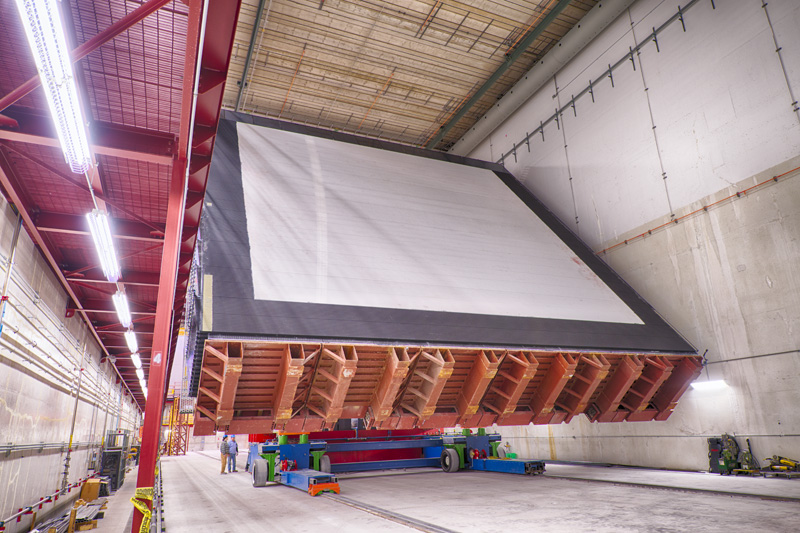
New Experiment Aims to Crack Neutrino Mass Mystery
These particles should not have mass, but they do. By sending neutrinos through the ground from Illinois to Minnesota, physicists hope to learn why