

Ciencia en los medios
-
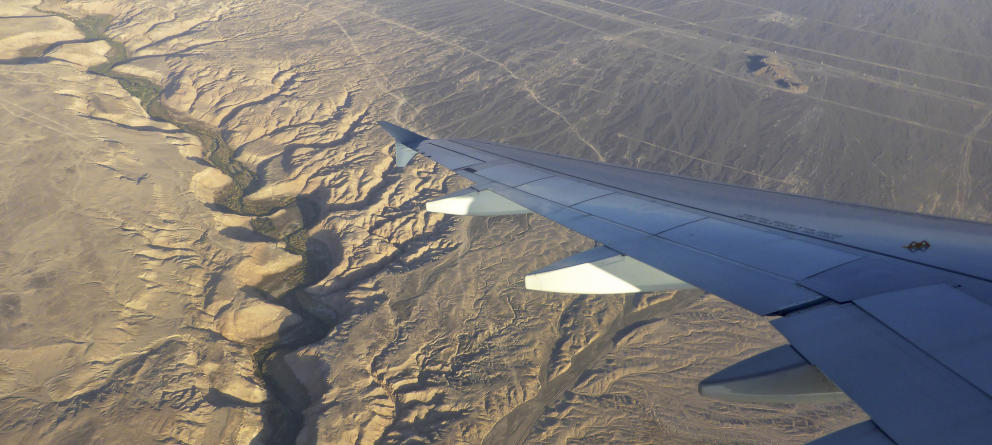
Descubren al culpable de los movimientos bruscos de las placas tectónicas
El movimiento brusco de las placas tectónicas provoca terremotos, que desembocan en desastres naturales y cuantiosas pérdidas materiales y humanas. Normalmente se deslizan suavemente durante cientos de millones de años, […]
-
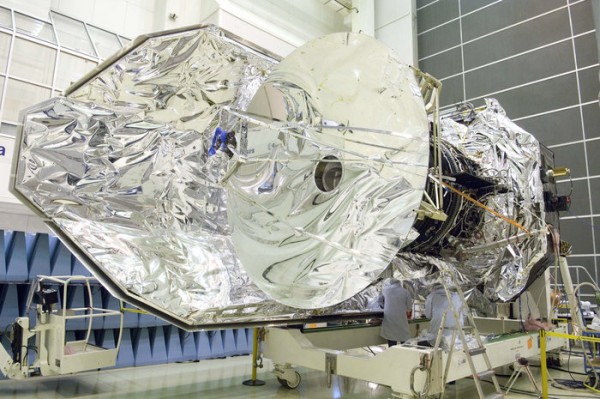
The cosmic chemistry that gave rise to water
Earth’s water has a mysterious past stretching back to the primordial clouds of gas that birthed the Sun and other stars. By using telescopes and computer simulations to study such […]
-
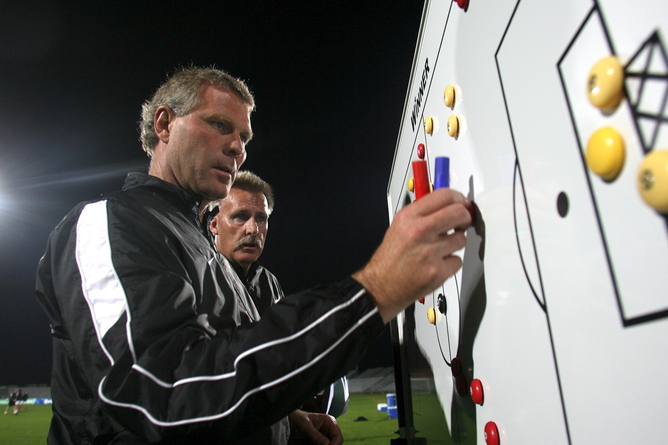
On the origin of 4-4-2: evolution, animals and football
Natural selection has shaped many different animal groups, from V-like formations of bird flocks to circular mills of schooling fish. These shapes are the result of millions of years of […]
-
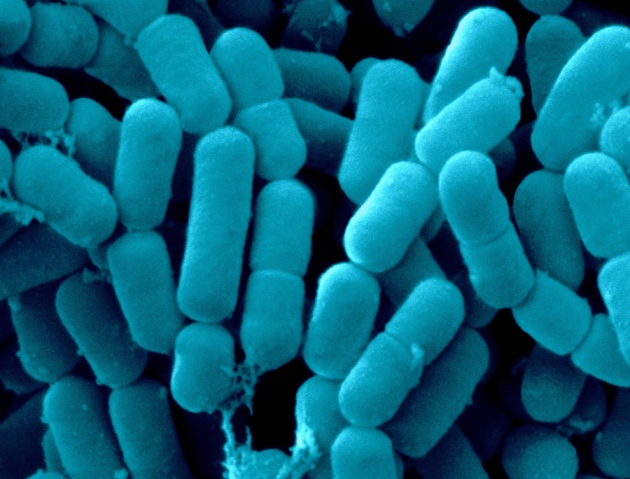
GM microbes created that can’t escape the lab
Critics of genetic engineering have long worried about the risk of modified organisms escaping into the environment. A biological-containment strategy described this week in Nature has the potential to put some […]
-

What Makes a Resilient Mind
There are hundreds, thousands, probably hundreds of thousands of people around the world who have gone through their own version of hell—some of them resilient, some not. But in this […]
-
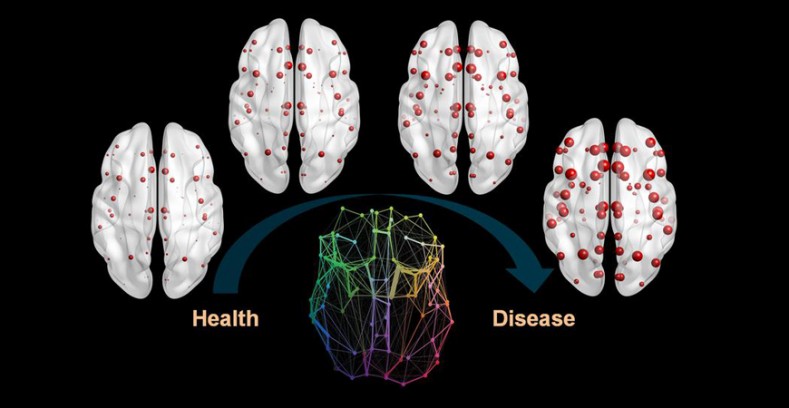
La mujer ciega que veía llover
Durante años, los médicos le dijeron a Milena Channing que había quedado completamente ciega después de un infarto cerebral. Pero un día empezó a ver algo muy concreto. Algo que según […]
-
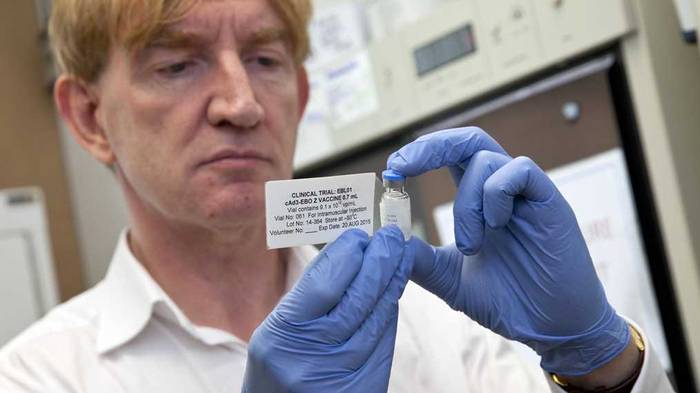
Ebolaren aurkako borroka ez da amaitzen txertoa lortzearekin
Okerrik ez bada, aurten edo datorren urtean merkaturatuko da ebolaren txertoa. Horri esker, gaitza kontrolatzea espero dute adituek. Johns Hopkins ospitaleko ikertzaileek The Lancet aldizkarian gogorarazi dutenez, ordea, txertoa lortzea […]
-
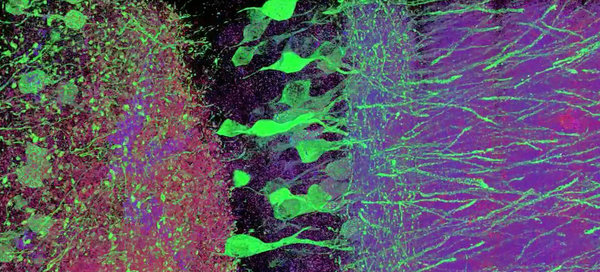
Expansion Microscopy Stretches Limits of Conventional Microscopes
A new laboratory technique enables researchers to see minuscule biological features, such as individual neurons and synapses, at a nearly molecular scale through conventional optical microscopes.
-
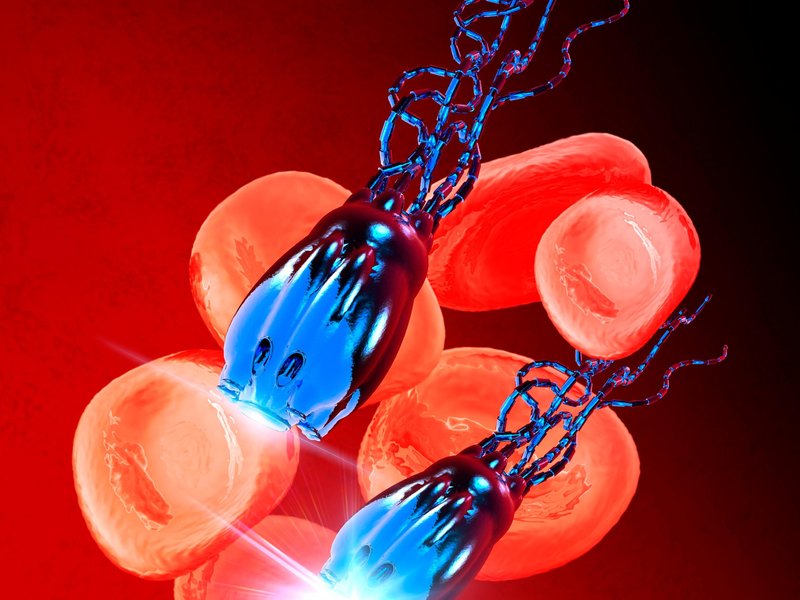
Scientists Test Out Tiny Robots Meant to Travel Inside a Human Body
The first test of micro-machines on a living mouse marks a breakthrough in the field of nano-robotics