

Ciencia en los medios
-
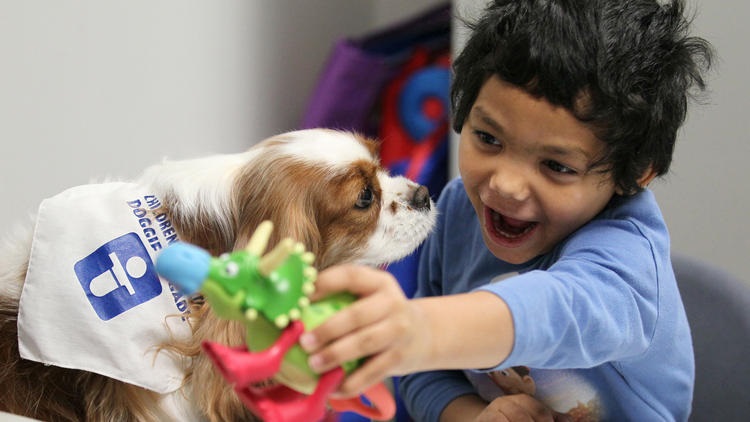
Autism genomes add to disorder’s mystery
Less than a third of siblings with autism shared the same DNA mutations in genes associated with the disorder, according to a new study that is the largest whole-genome sequencing for autism to date.
-
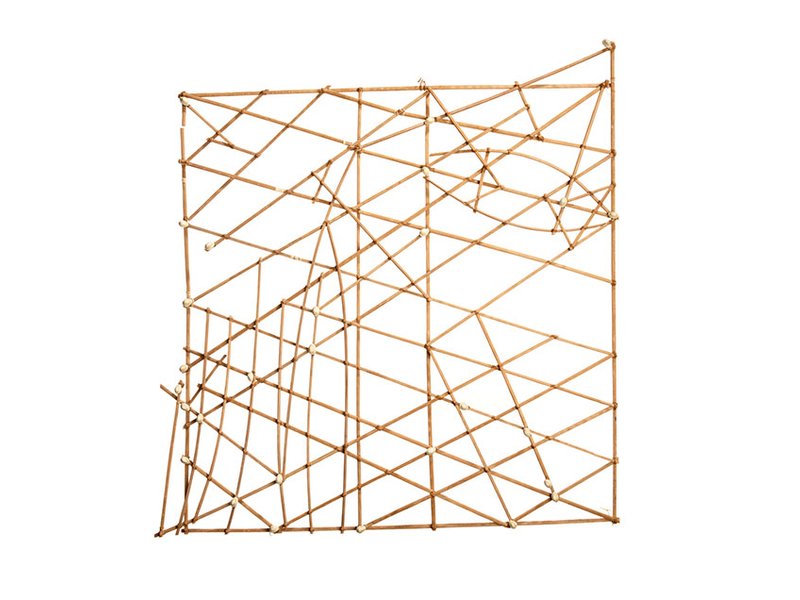
How Sticks and Shell Charts Became a Sophisticated System for Navigation
Sailors navigating with sextant, compass and maps found in the Marshall Islands that curved sticks and cowry shells were far more sophisticated.
-
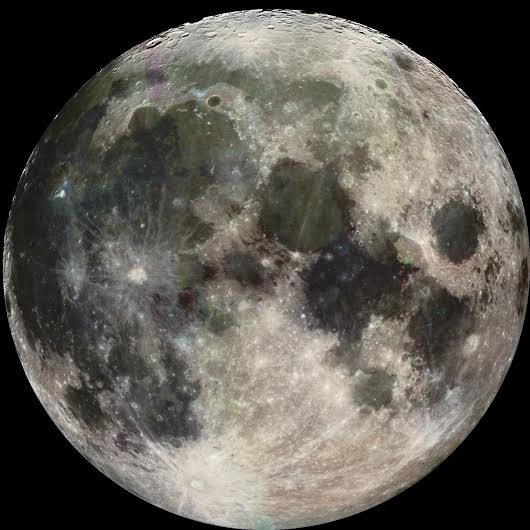
Earth’s Moon may not be critical to life
The Moon has long been viewed as a crucial component in creating an environment suitable for the evolution of complex life on Earth, but a number of scientific results in recent years have shown that perhaps our planet doesn’t need the Moon as much as we have thought.
-

La pesadilla de sufrir un eterno «déjà vu»
Los científicos creen que el extraordinario caso de un británico de 23 años que sufre «un constante déjà vu» se debe a la ansiedad.
-
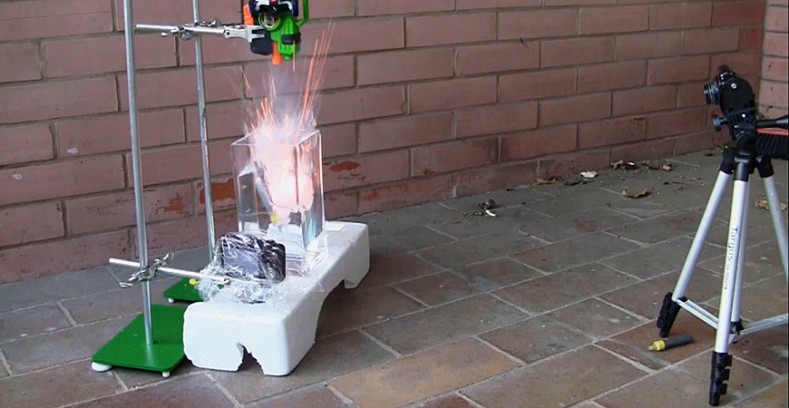
Una nueva explicación a por qué explotan los metales alcalinos al contacto con el agua
Es uno de los experimentos más repetidos en las demostraciones de ciencia, pero hasta ahora estaba mal explicado. Gracias a cámaras ultrarrápidas, un equipo detalla qué sucede cuando un metal alcalino contacta con el agua y explosiona.
-
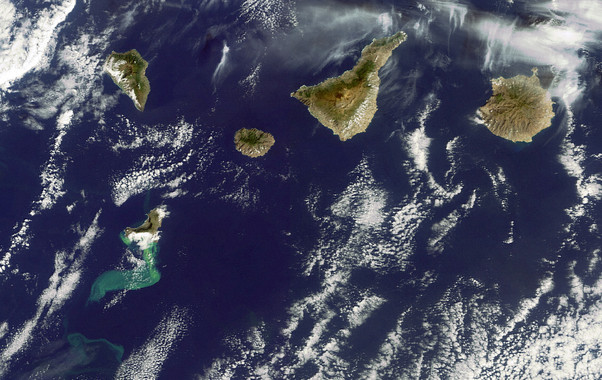
Los nanofósiles de El Hierro ponen a Canarias más cerca de Hawái
Trozos de sedimento del Cretácico envueltos en lava salieron a flote con la erupción submarina de El Hierro, en 2011, aportando a los científicos valiosos datos sobre el fondo oceánico de las islas. El análisis de los materiales asemeja el origen del archipiélago canario al modelo de formación de Hawái, y confirma que las islas…
-
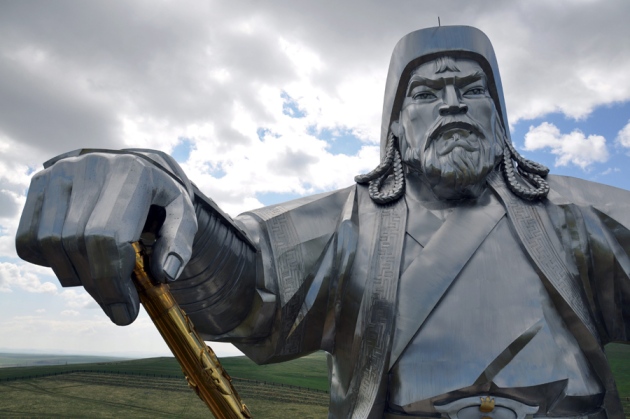
Genghis Khan’s genetic legacy has competition
Millions of men bear the genetic legacy of Genghis Khan, the famously fertile Mongolian ruler who died in 1227. Researchers have now recognized ten other men whose fecundity has left a lasting impression on present-day populations. The team’s study points to sociopolitical factors that foster such lineages, but the identities of the men who left their genetic…
-
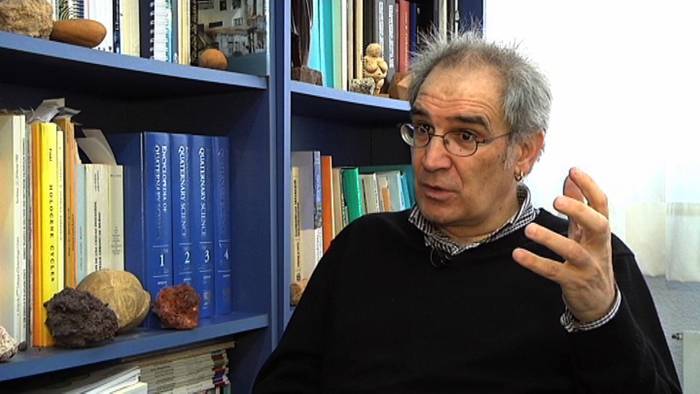
“Indar geofisiko bilakatu gara, eta inoiz egon ez den puntu batera ari gara eramaten planeta”
“Noiz hasi zen Antropozenoa?” izenburupean, garai geologiko berri baten hasiera data zehatz bat proposatu du Antropozenoaren lan-taldeak, Quaternary Internationalaldizkarian: 1945eko uztailaren 16, lehen eztanda nuklearraren eguna. Estratigrafiaren Nazioarteko Batzordeak eskatuta, lan-talde hori ari da aztertzen aro geologiko berri bat izendatzeko bezainbestekoa ote den gizakiok planetan dugun eragina. Taldekideen gehiengoak baietz uste du, Antropozenoak badituela behar…
-
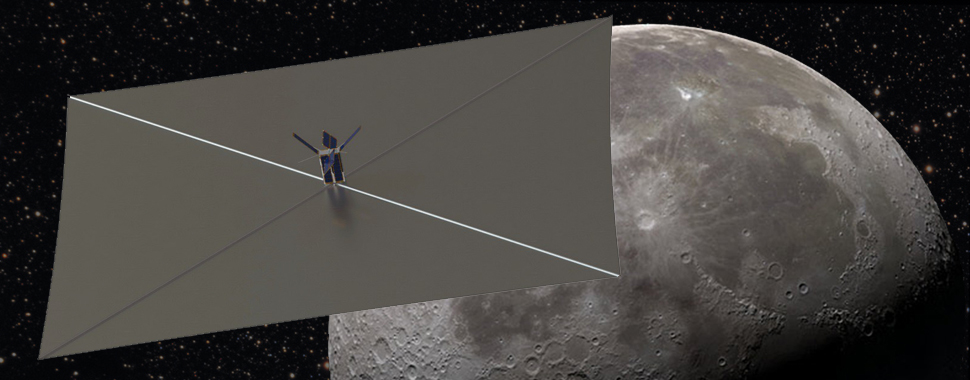
New Phase of Space Travel Hopes to Set Sail on Sunlight
To sail on winds of sunlight has long been a dream of rocket scientists. The Planetary Society, a nonprofit that promotes space exploration, announced Monday that it would send the first of two small spacecraft testing the technology of solar sails into orbit this May, tagging along with other small satellites on an Atlas 5…