

Ciencia en los medios
-
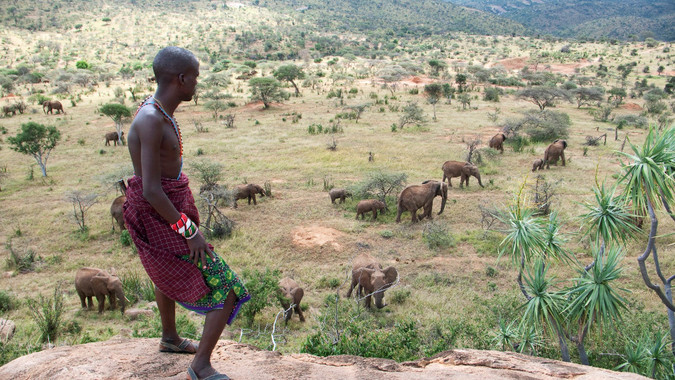
Un enfoque revolucionario para afrontar la pérdida de biodiversidad
La Plataforma Intergubernamental sobre Diversidad Biológica y Servicios de los Ecosistemas (IPBES) ha dado a conocer, tras más de dos años de trabajo, su primer producto “público”. Se trata de un marco conceptual que, a diferencia de los enfoques tradicionales, recoge todas las visiones y los conocimientos en torno a las relaciones entre el mundo…
-
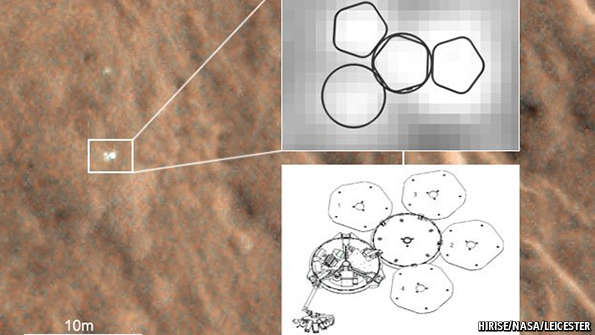
Stick the landing
The minuscule white blob at left in the image above is Beagle 2, Britain’s first (and so far only) Mars probe, which vanished after entering the Martian atmosphere on Christmas Day in 2003. Ever since, scientists have been poring over images taken from other orbiting probes, trying to find out what happened to their robot.
-
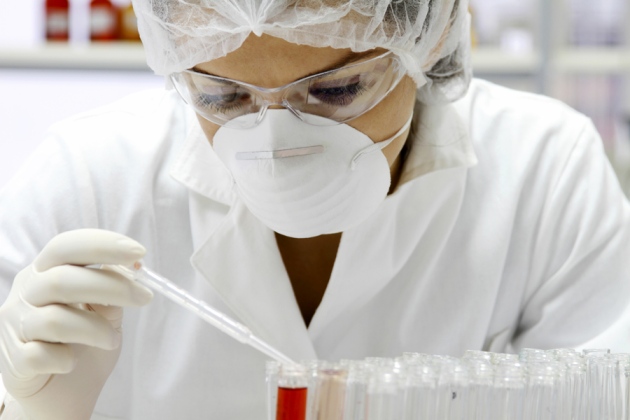
Hidden hurdle for women in science
Women shy away from fields in which talent, not hard work, is thought to be key, survey suggests.
-

Klima aldaketa, norabide aldaketa
Munduak asko mugatu beharko du erregai fosilen erabilera, zientzialariek ohartarazi duten bi graduko tenperatura igoera ez gertatzeko. Petrolio erreserben herenek, gasekoen erdiek eta ikatzekoen ia guztiek lur azpian jarraitu beharko dute.
-
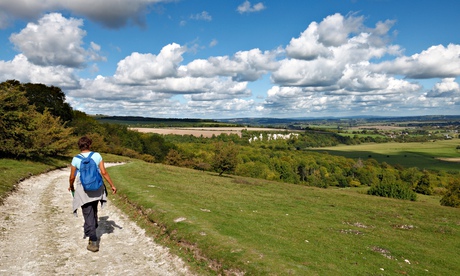
Scientists recommend 20-minute daily walk to avoid premature death
Scientists looked at the effects of obesity and exercise on 334,161 European men and women whose progress was followed for 12 years. They found that people who engaged in moderate levels of daily exercise – equivalent to taking an energetic 20-minute walk – were 16% to 30% less likely to die than those classified as…
-
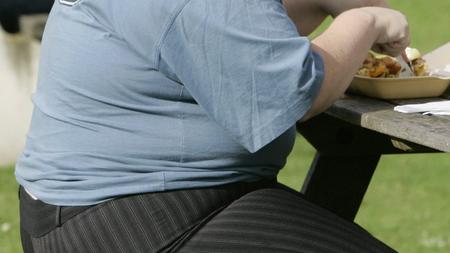
FDA approves a device for weight loss
In a bid to increase treatments for the nation’s 79 million obese adults, the Food and Drug Administration has approved U.S. marketing of an implantable device that stimulates weight loss by manipulating key appetite signals passing between the brain and the gut.
-
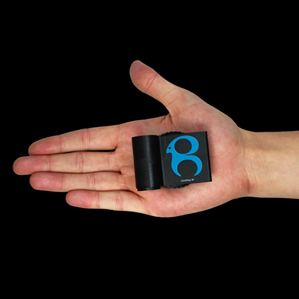
A Brain-Computer Interface That Works Wirelessly
A wireless transmitter could give paralyzed people a practical way to control TVs, computers, or wheelchairs with their thoughts.
-
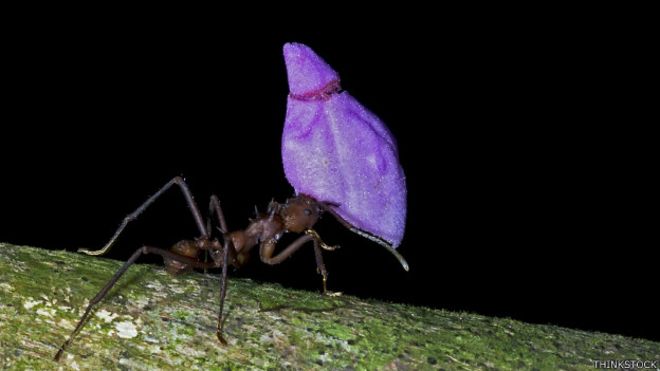
Los animales que cultivan sus propios alimentos
nosotros no somos los únicos animales que plantamos nuestra propia comida: las hormigas y los escarabajos comenzaron a cultivar hongos 50 millones de años antes que los humanos.
-
El nivel del mar subió menos de lo que se creía en el siglo XX, pero no son buenas noticias
Un nuevo análisis de la subida global de los océanos en el siglo XX indica que subieron menos de lo calculado. La consecuencia es que la aceleración del proceso en los últimos 20 años es mayor de lo que se creía.