

Ciencia en los medios
-
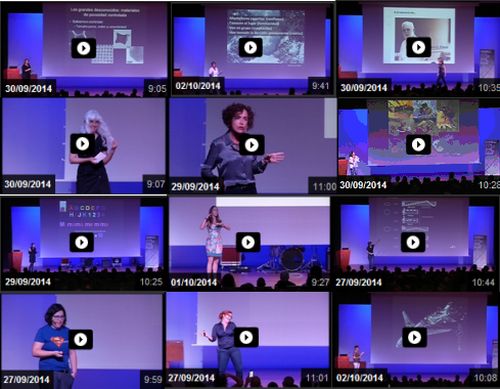
Dos estudiantes crean un extintor que apaga el fuego con sonido
El dispositivo podría utilizarse en las cocinas de casas y restaurantes e incluso en el espacio, donde los extintores tradicionales no son tan eficientes por la microgravedad.
-
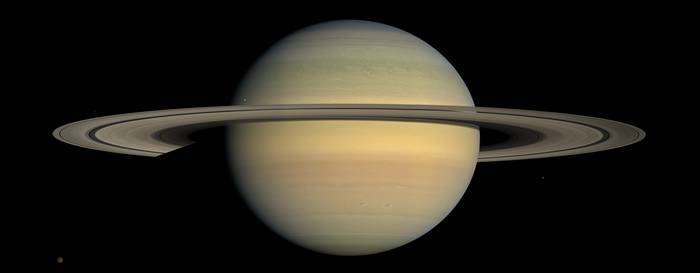
Saturnoren egunaren iraupena zehaztu dute
10 ordu, 32 minutu eta 45 segundo. Horixe da Saturnoren egun batek irauten duena, metodo berri bat erabiliz Israelgo ikertzaile batzuek kalkulatu dutenez. Naturen argitaratu dute lana.
-
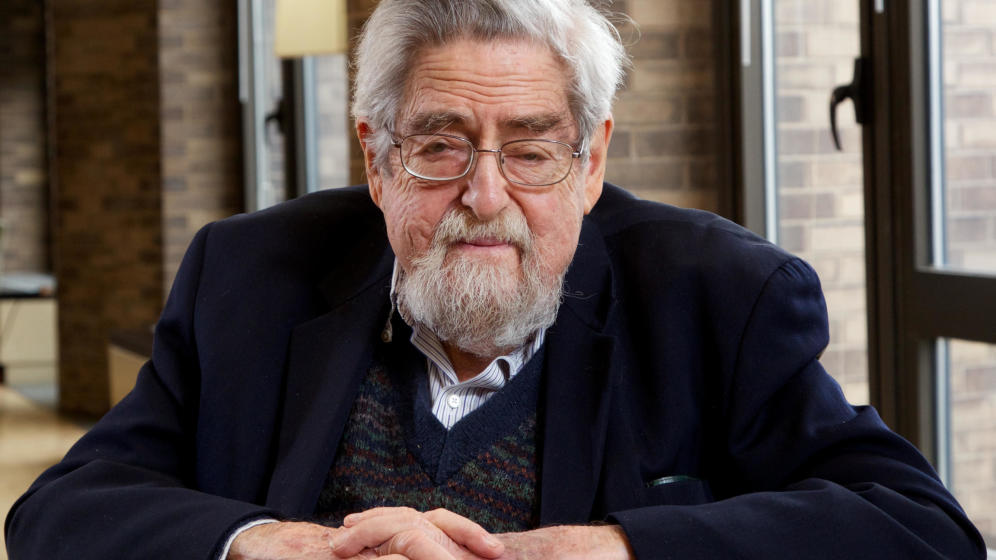
Louis Nirenberg, el genio eclipsado por ‘Una mente maravillosa’
Louis Nirenberg ha obtenido junto a John Nash el premio Abel de matemáticas en 2015. Aunque su contribución es importante y extensa, su nombre es desconocido para la mayoría del […]
-
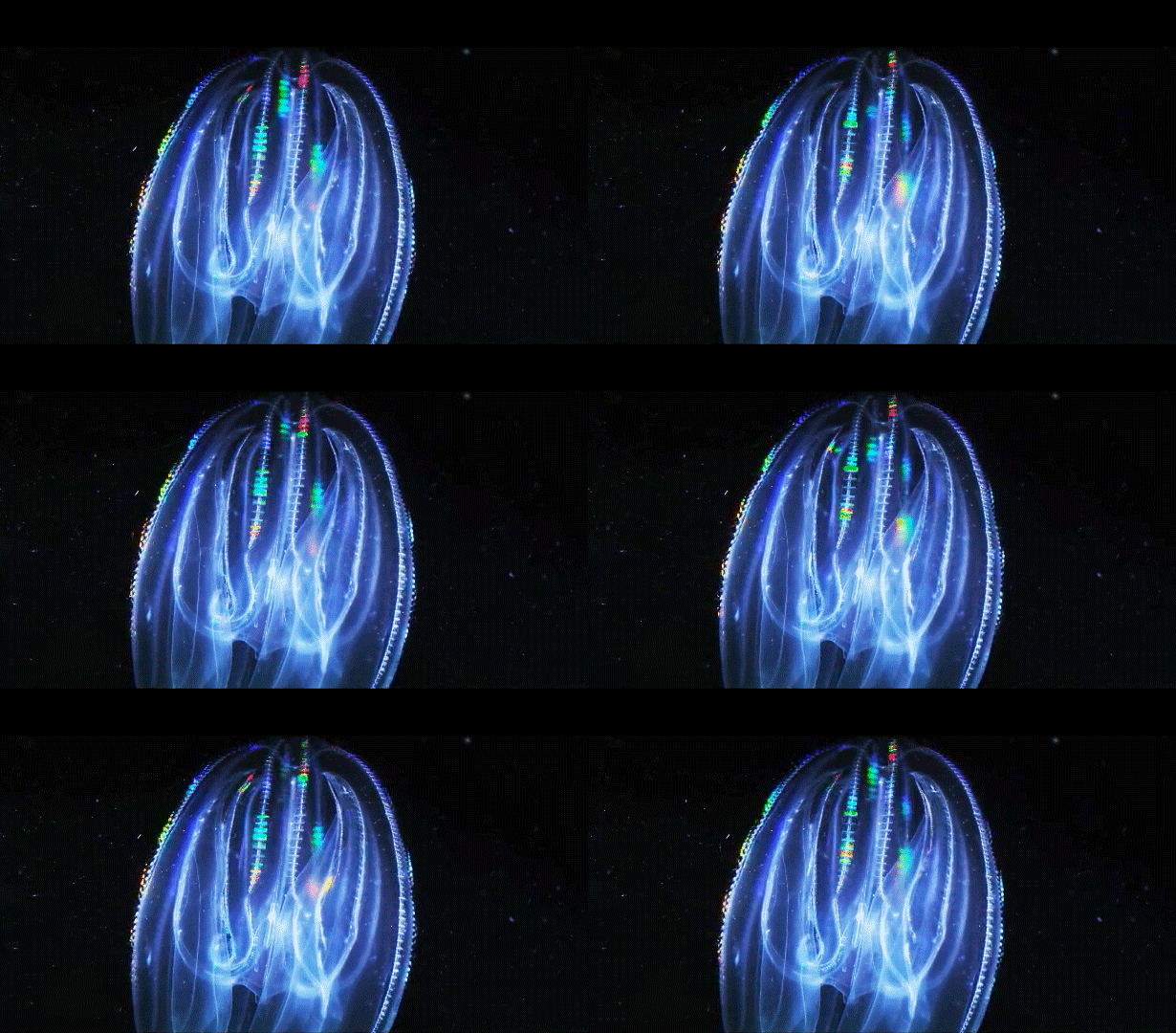
Did Neurons Evolve Twice?
The comb jelly, a primitive marine creature, is forcing scientists to rethink how animals got their start.
-
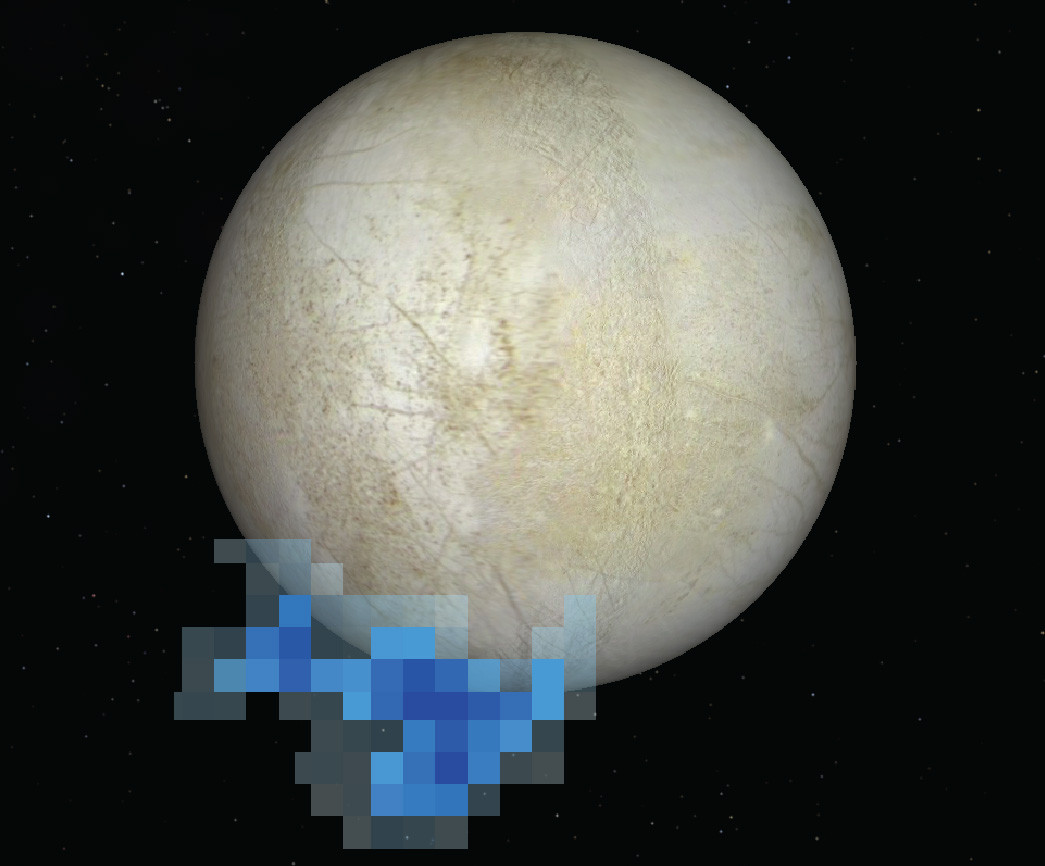
Europa’s Elusive Water Plume Paints Grim Picture For Life
A new paper reveals that Europa’s atmosphere is 100 times less abundant than claims in previous publications, and composed mainly of atomic rather than molecular oxygen.
-

Bacteria power up by using magnets as batteries
It’s electrifying. Bacteria have been found growing on tiny particles of natural magnets. The bugs are a mixed colony, capable of «eating» and «breathing» electrons from metals.
-
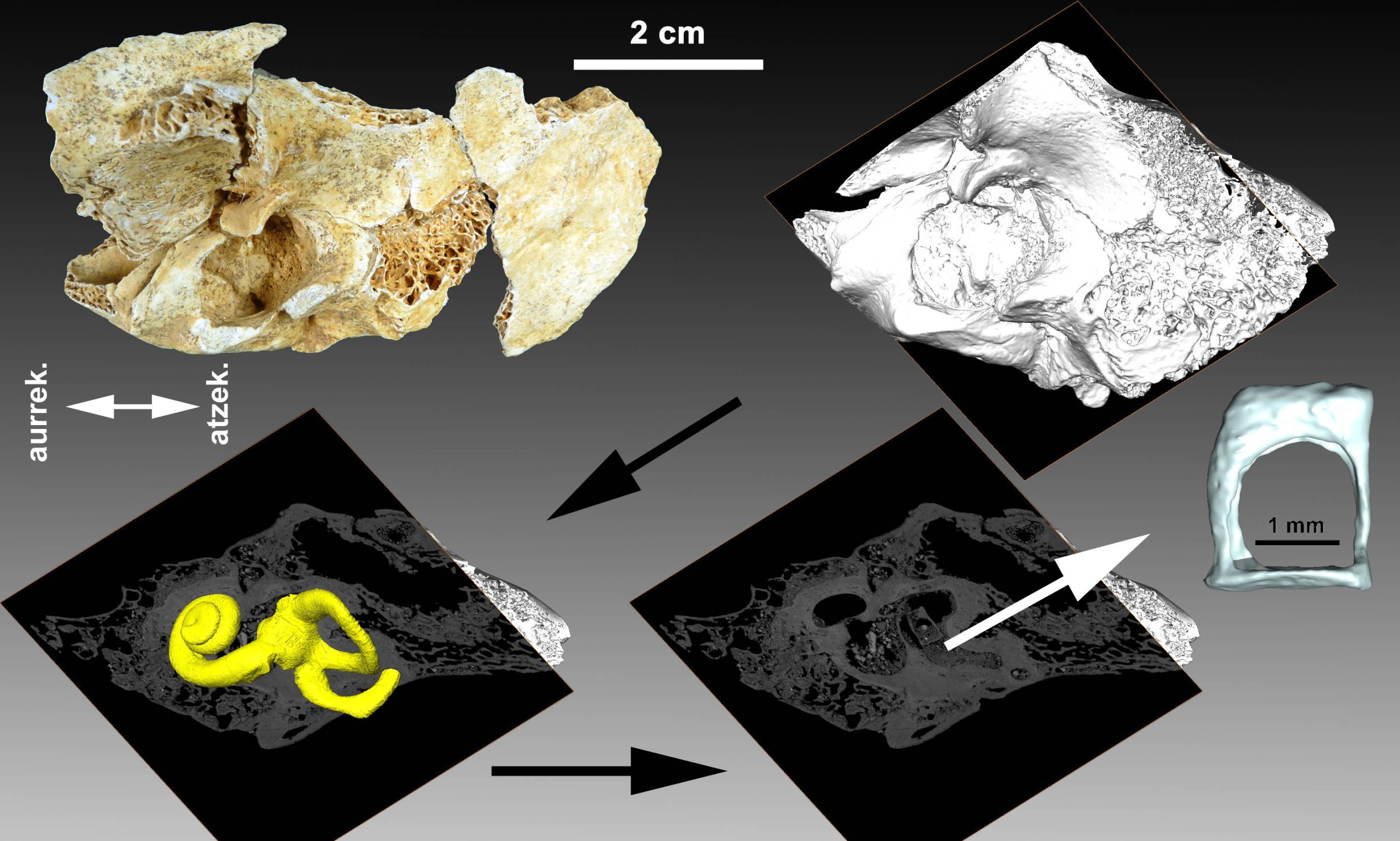
LF8 ume neandertalaren kasua
3D ikerketa-teknika berriak giza paleontologian
-
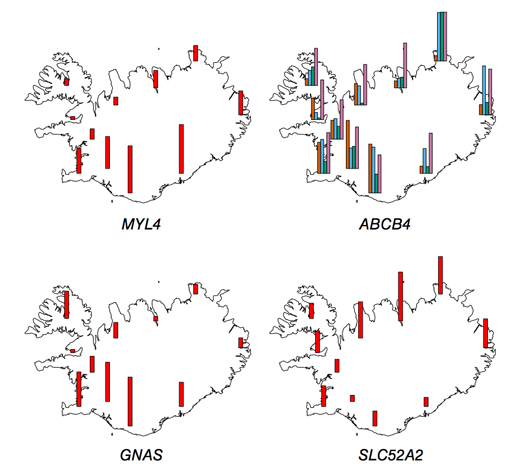
Genome Study Predicts DNA of the Whole of Iceland
Large genome databases are starting to reveal critical health information—even about people who have not contributed their DNA.
-
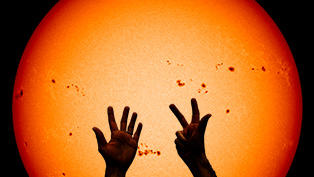
The 315-Year-Old Science Experiment
How counting sunspots unites the past and future of science.