

Ciencia en los medios
-

A la caza de invasores en el fin del mundo
Investigadores españoles erradican una gramínea invasora frente a una base argentina en la Antártida. La planta, que llegó hasta aquí por accidente en los años 50, había crecido varios centímetros y amenazaba los ecosistemas locales. Controlar la proliferación de estas especies no autóctonas es una prioridad del programa antártico.
-

Study shows humans are evolving faster than previously thought
Scientists reached the conclusion after showing that almost every man alive can trace his origins to one common male ancestor who lived about 250,000 years ago. The discovery that so-called “genetic Adam”, lived about 100,000 years more recently than previously understood suggests that humans must have been genetically diverging at a more rapid rate than…
-
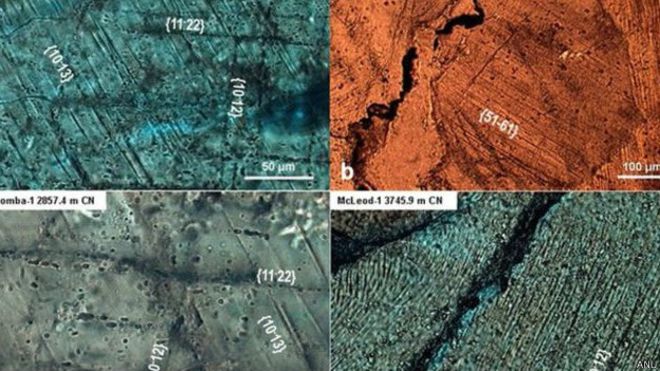
Descubren en Australia la «mayor huella de impacto de asteroide» jamás encontrada
Científicos en Australia descubrieron lo que consideran la zona de impacto de un asteroide más grande jamás hallada. El área, de 400 kilómetros de ancho, está enterrada en la corteza terrestre y consiste en dos cicatrices separadas del impacto.
-

¿Avanza la inteligencia artificial hacia un escenario como el de Terminator?
Steve Wozniak y Elon Musk han alertado sobre los riesgos de los avances de una inteligencia superior gestionada por las máquinas. Los ordenadores cada vez piensan mejor y más rápido que nosotros
-
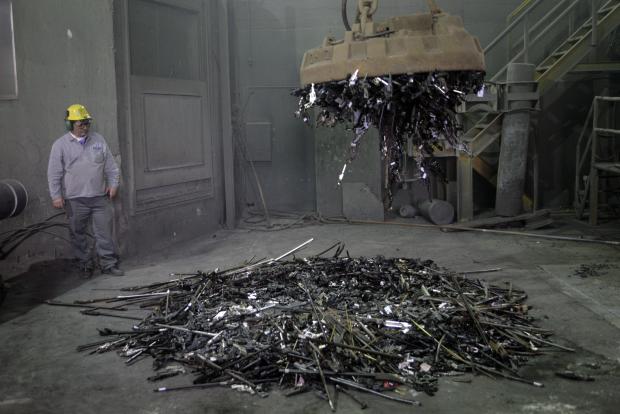
Magnets Can Control Heat and Sound
In the world of physicists, heat and sound are considered very similar, since both are structured from and transported by the vibration of atoms. Now, tor the first time, these types of energy have also both been shown to have magnetic properties.
-

With New Nonstick Coating, the Wait, and Waste, Is Over
If a glue did not stick to the inside of the tube or bottle, you might think it must not be a very good glue. On the other hand, clinging glue has annoyed generations of parents and children attempting to scoop out the remaining bits with their fingers. This is one of life’s little problems.…
-
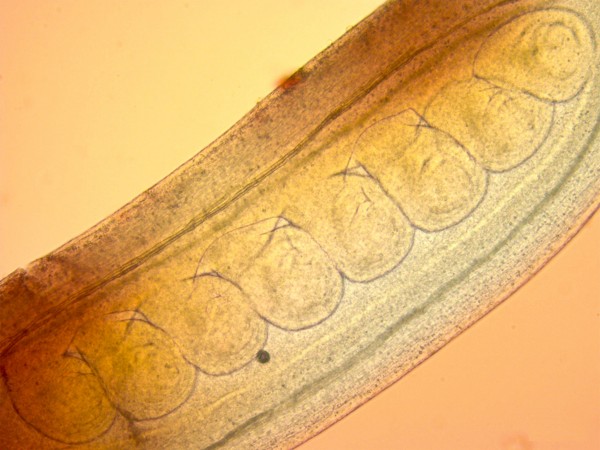
Heat-beating beans resist climate change
Beans are a staple for hundreds of millions of people, mostly in Latin America and Africa. But these legumes, which originated in cool highlands, are particularly sensitive to excessive warmth—so much so that by 2050, climate change might cut in half the amount of land suitable for growing them. Plant breeders with the International Center…
-

Extreme cryptography paves way to personalized medicine
The dream for tomorrow’s medicine is to understand the links between DNA and disease — and to tailor therapies accordingly. But scientists working to realize such ‘personalized’ or ‘precision’ medicine have a problem: how to keep genetic data and medical records secure while still enabling the massive, cloud-based analyses needed to make meaningful associations. Now,…
-
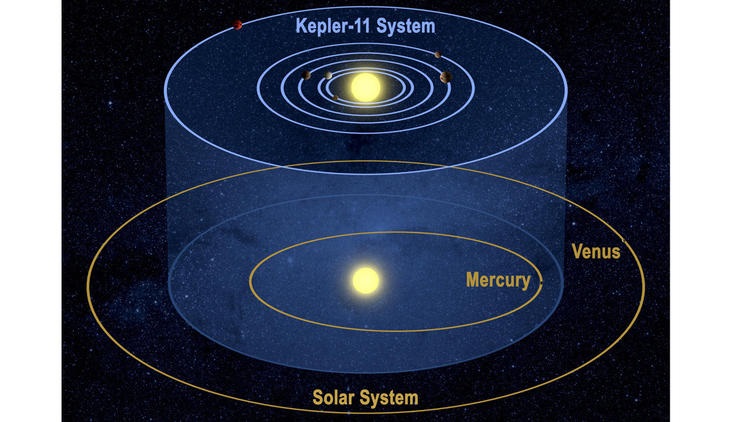
Young Jupiter wiped out solar system’s early inner planets, study says
Before Mercury, Venus, Earth and Mars occupied the inner solar system, there may have been a previous generation of planets that were bigger and more numerous – but were ultimately doomed by Jupiter.