

Ciencia en los medios
-
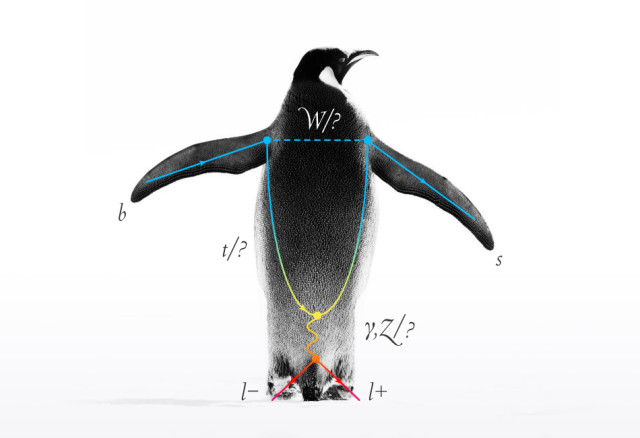
‘Penguin’ Anomaly Hints at Missing Particles
A penguin-shaped anomaly first detected two years ago has survived a comprehensive new analysis of data from the first run of CERN’s Large Hadron Collider (LHC).
-
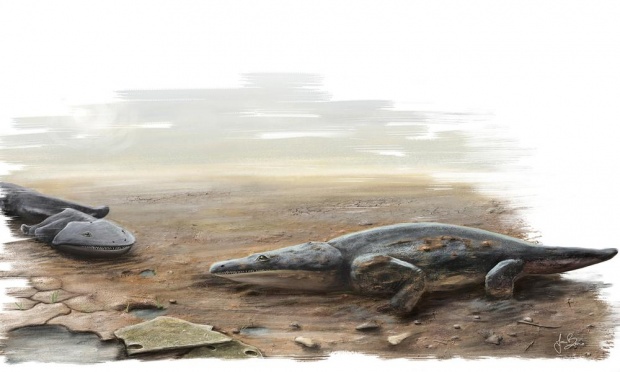
Fossil hunters discover new giant ancient predator
Carnivorous amphibian Metoposaurus algarvensis grew to the size of a small car and dates back to the Late Triassic Period
-
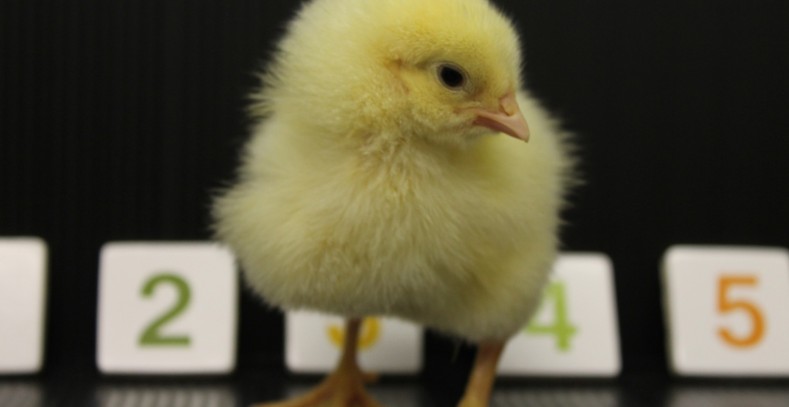
Lo que vieron en el cielo en 1670 no era una nova, ¡era una colisión de estrellas!
Durante siglos, este objeto estelar bajo la constelación del Cisne ha sido un misterio para los astrónomos. Un nuevo análisis resuelve el enigma y arroja una sorpresa: pese a estar considerada la primera nova documentada en la historia, su naturaleza era bien distinta.
-
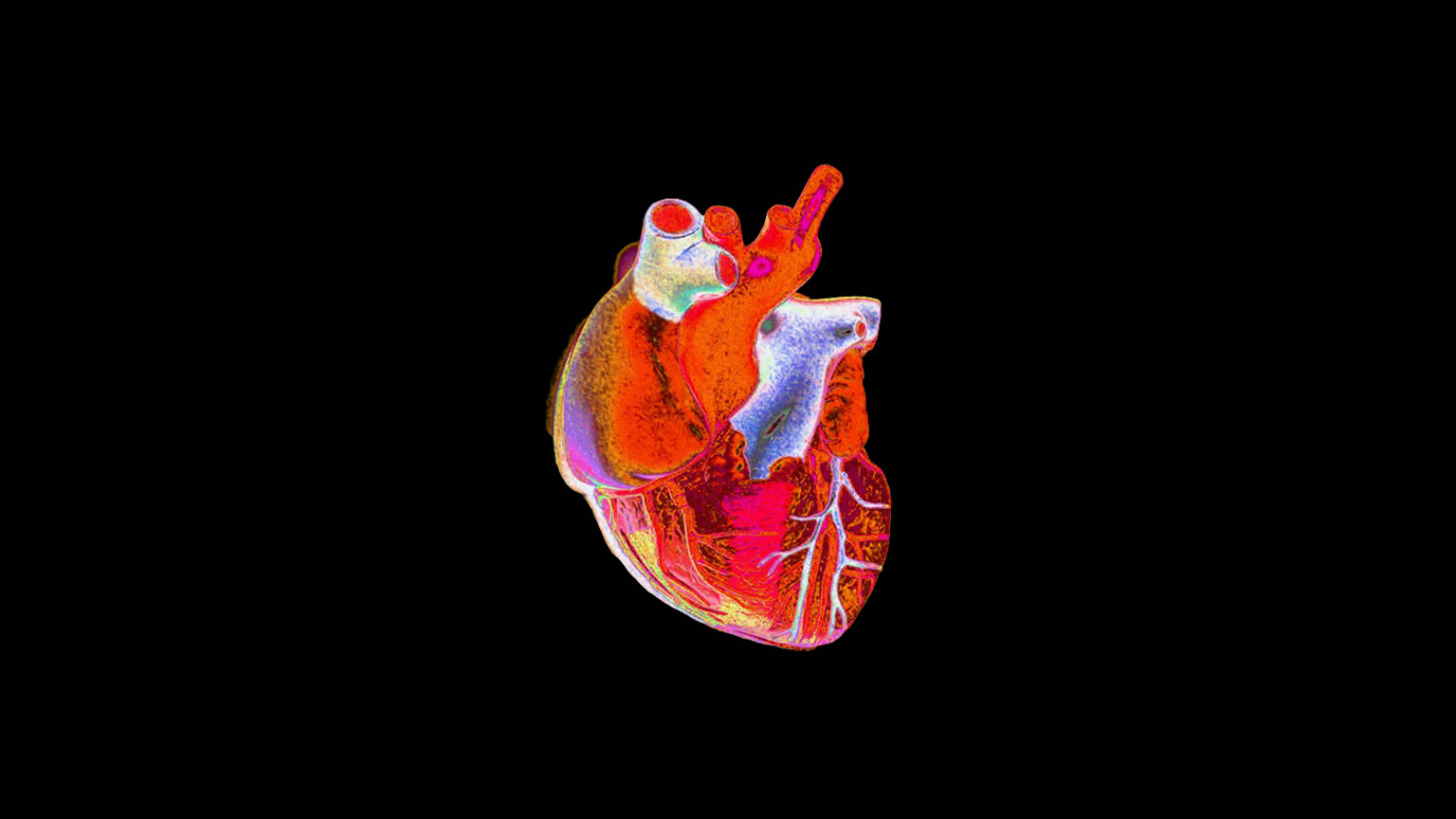
Custom Organs, Printed to Order
Currently, tissue engineering can provide simple, thin tissues including cartilage, skin, and bone. Larger, more complex organs like the liver and heart present much more formidable challenges. They are structurally intricate, contain many different cell types, and require an extensive network of blood vessels. The fact remains that today, if someone needs a complex organ, a…
-

Txertoaren paradoxa
Elgorriaren aurkako txertoaren inguruko albisteak ez dira arraroak azkenaldi honetan. Adibidez, urte hasieran, eztabaida bizia zuten AEBn, Disneylandian abenduan izan zuten elgorri-agerraldiaren harira. Inguru hartan gero eta guraso gehiagok haurrak ez txertatzearen ondorioz sortu zen agerraldia, eta adituek ez dute aurkitzen guraso horien iritzia aldarazteko modua.
-
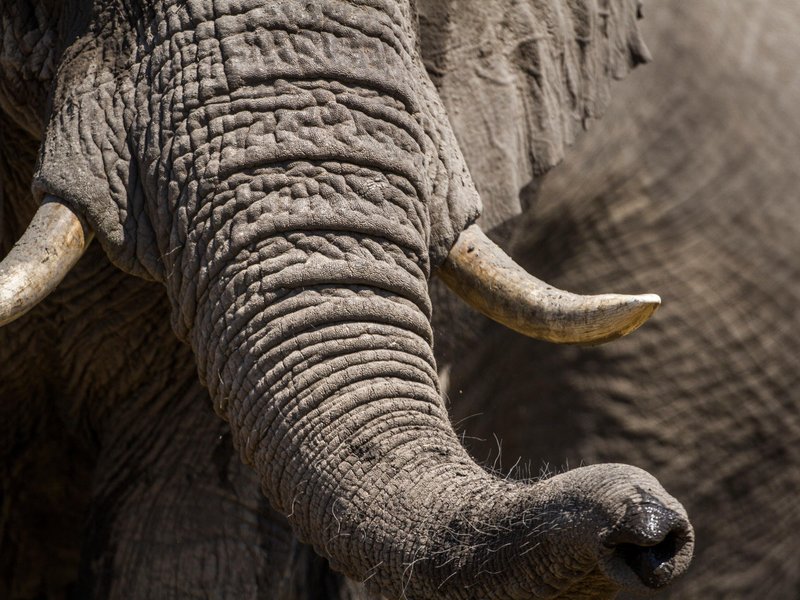
The Rules of Wrinkling, From Brain Folds to Pumpkin Ridges
Creases, ridges, folds and «delaminated buckles» are all different forms of wrinkling.
-
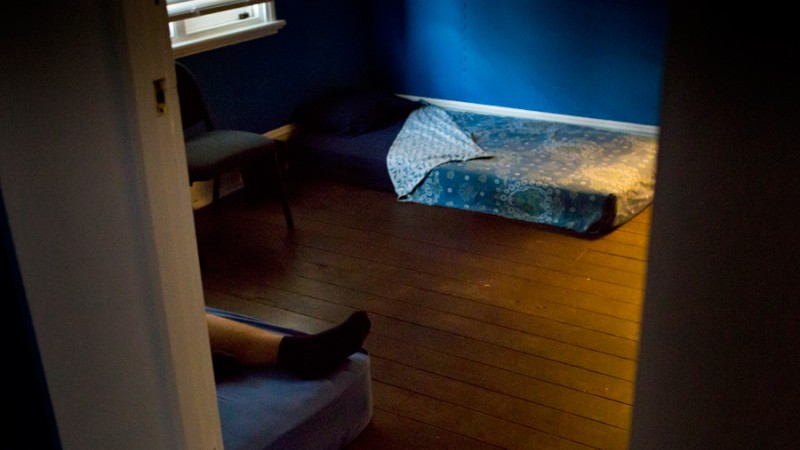
Blocking the high: one man’s quixotic quest to cure addiction
If you could take the high out of drugs, what would be the point in taking them? Meet the unorthodox doctor who thinks he can block some of the world’s most addictive pills.
-
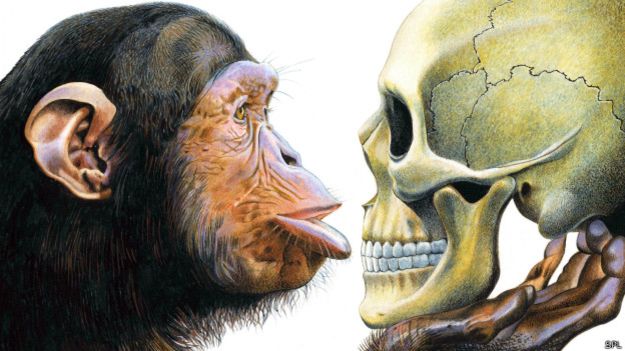
15 cambios que nos hicieron humanos
Los humanos somos probablemente la especie más rara que jamás ha existido. Tenemos cerebros extravagantemente grandes que nos permiten construir complicados artefactos, entender conceptos abstractos y comunicarnos usando el lenguaje. También somos casi lampiños, tenemos mandíbulas débiles y nos cuesta dar a luz. ¿Cómo evolucionó una criatura tan estrafalaria?
-
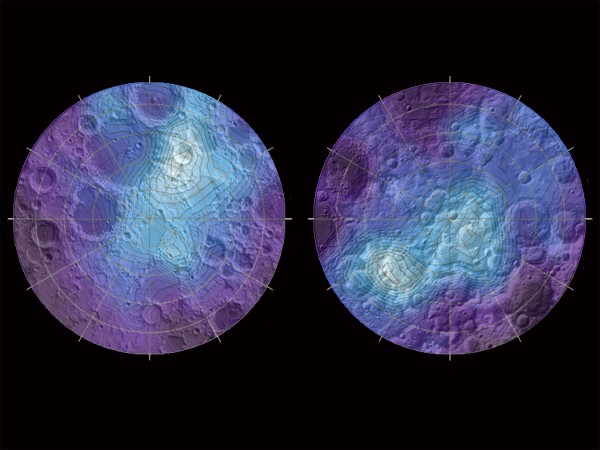
Lopsided ice on the moon points to past shift in poles
What little ice remains on Mercury and Mars is mostly confined to the planets’ poles, as one would expect, because the sun shines the least in those regions. Not so on the moon. Much of the moon’s ice, which lurks beneath the surface, is found in an area 5.5° away from the north pole and…