

Nature News
-

Next-generation X-ray source fires up
Electrons have begun circulating in a synchrotron in Lund, Sweden, in what researchers hope marks the start of a new era for X-ray science.
-
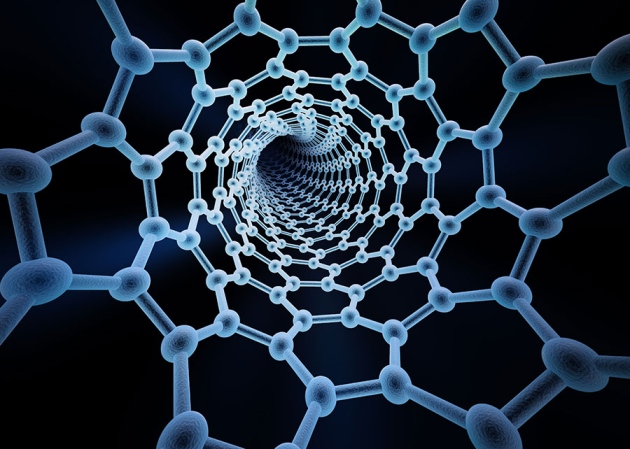
Nanotube implants show diagnostic potential
Devices could track insulin levels in the body or sniff out cancerous cells.
-

The cannabis experiment
As marijuana use becomes more acceptable, researchers are scrambling to answer key questions about the drug.
-

Most gay and lesbian researchers are out in the lab
Lesbian, gay, bisexual and transgender (LGBT) scientists feel more accepted in the workplace than their peers in other professions, a US survey suggests. The study, published in the Journal of […]
-
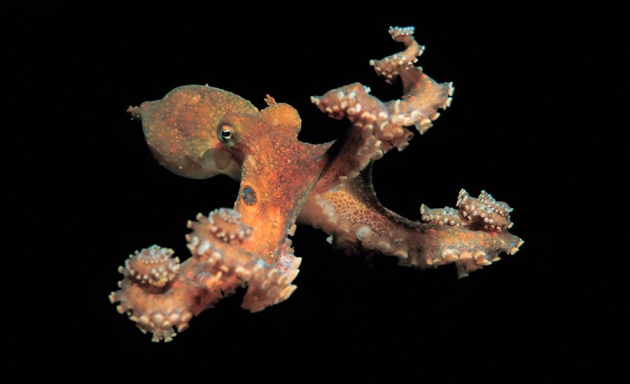
Octopus genome holds clues to uncanny intelligence
With its eight prehensile arms lined with suckers, camera-like eyes, elaborate repertoire of camouflage tricks and spooky intelligence, the octopus is like no other creature on Earth. Added to those […]
-

3D-printed device helps computers solve cocktail-party problem
Artificial-intelligence researchers have long struggled to make computers perform a task that is simple for humans: picking out one person’s speech when multiple people nearby are talking simultaneously.
-
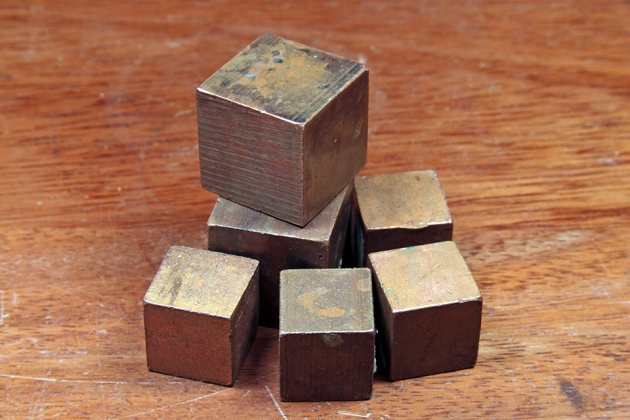
Non-magnetic metals turned into magnets
Two common metals that are not magnetic — copper and manganese — can be transformed into magnets: a surprising effect that involves combining thin films of the metals with carbon-based […]
-
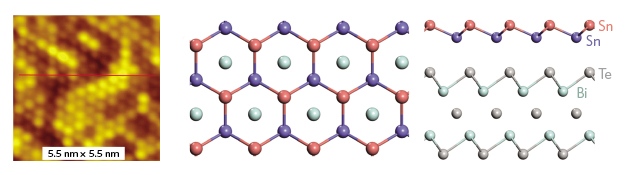
Physicists announce graphene’s latest cousin: stanene
Two years after physicists predicted that tin should be able to form a mesh just one atom thick, researchers say that they have made it. The thin film, called stanene, […]
-
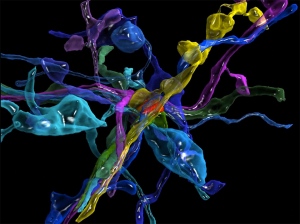
Crumb of mouse brain reconstructed in full detail
Six years might seem like a long time to spend piecing together the structure of a scrap of tissue vastly smaller than a bead of sweat. But that is how […]