

Nature News
-
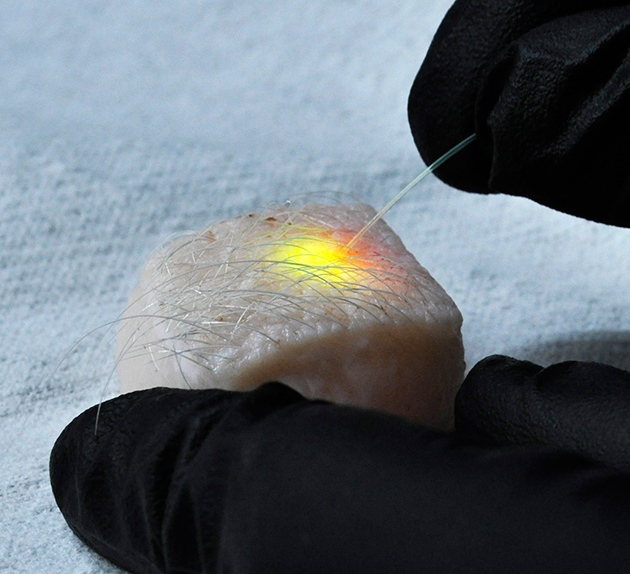
Oil droplets turn cells into tiny lasers
Injecting single cells with spheres of fluorescent dye could open new research and treatment avenues using light.
-
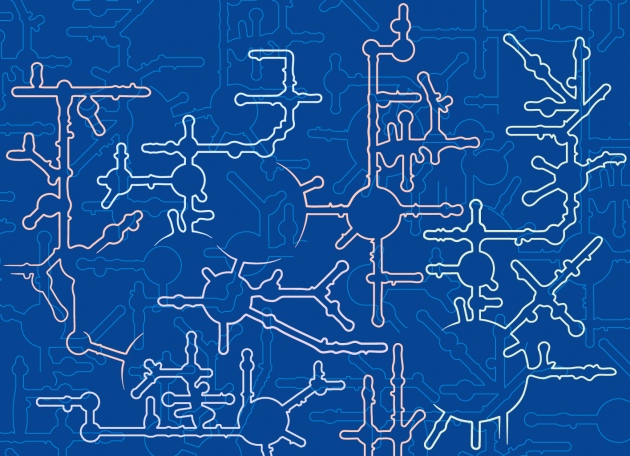
A cellular puzzle: The weird and wonderful architecture of RNA
Cells contain an ocean of twisting and turning RNA molecules. Now researchers are working out the structures — and how important they could be.
-
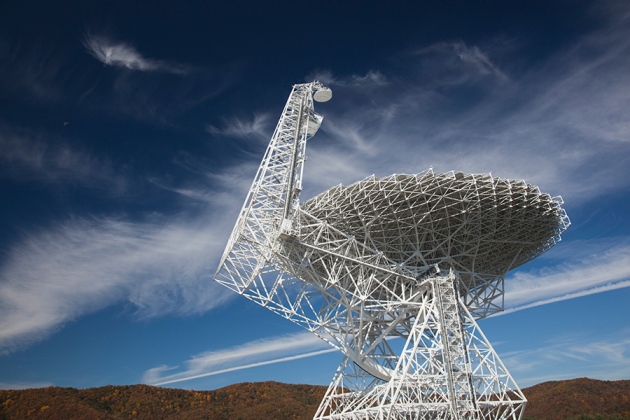
Search for extraterrestrial intelligence gets a $100-million boost
You could say that the silence has been deafening. Since its beginnings more than half a century ago, the dedicated search for extraterrestrial intelligence (SETI) has failed to detect the presence of alien civilizations. But at London’s Royal Society today (20 July), Russian billionaire Yuri Milner announced a shot in the arm for SETI: a…
-
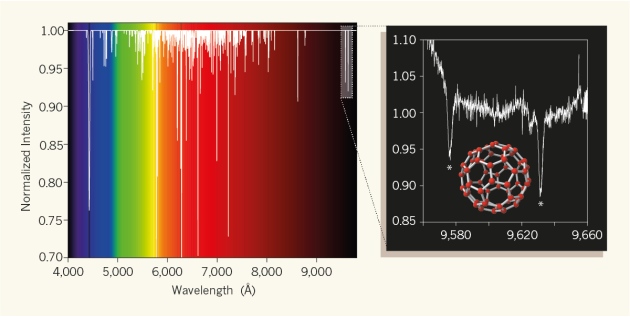
Buckyballs in space solve 100-year-old riddle
Spheres of carbon-60 responsible for mysterious cosmic-light features.
-
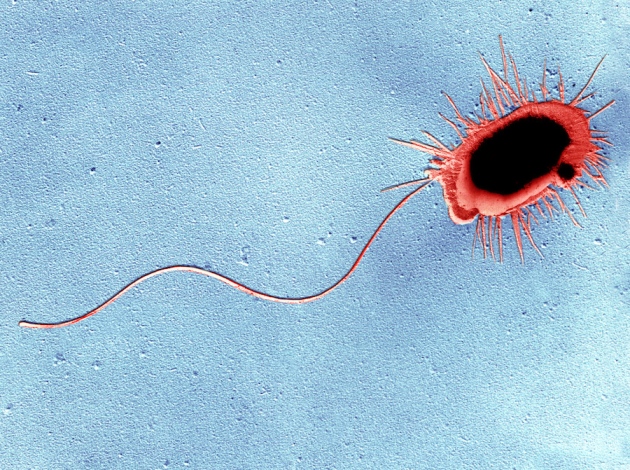
Energetic bacteria form frictionless superfluids
Microbe-filled solutions could be repurposed as small motors under certain conditions.
-
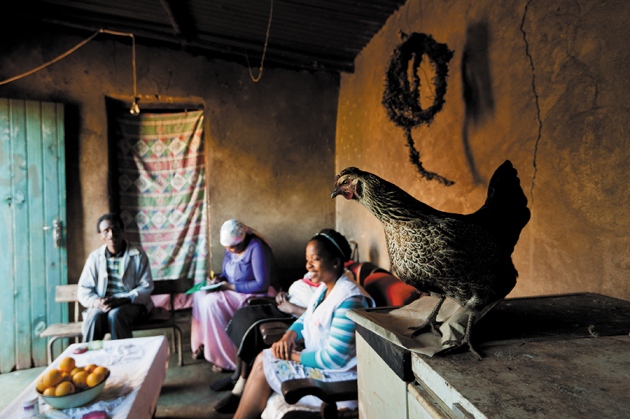
How to beat HIV
Scientists have the tools to end the epidemic. They just need better ways to use them.
-
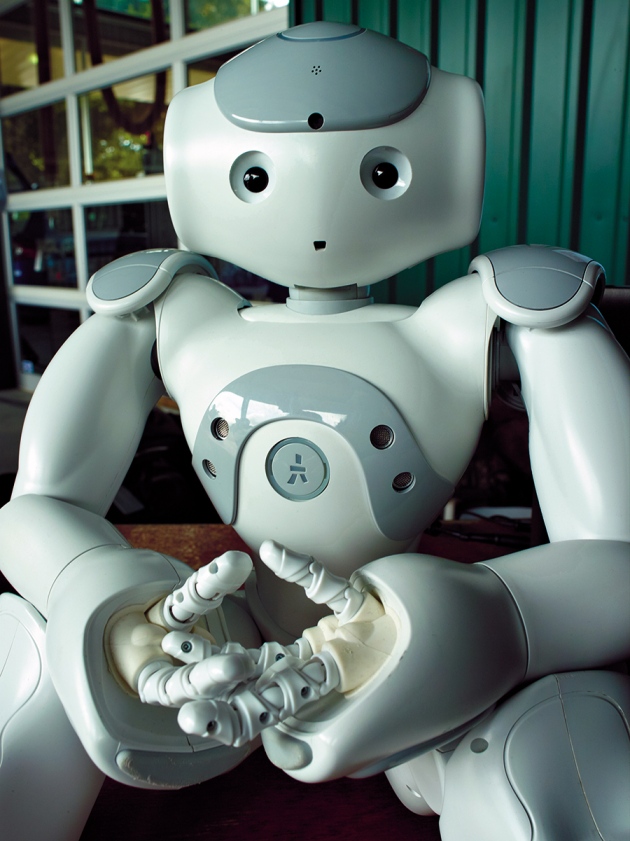
Machine ethics: The robot’s dilemma
Working out how to build ethical robots is one of the thorniest challenges in artificial intelligence. Real-life roboticists are citing Asimov’s laws a lot these days: their creations are becoming autonomous enough to need that kind of guidance.
-
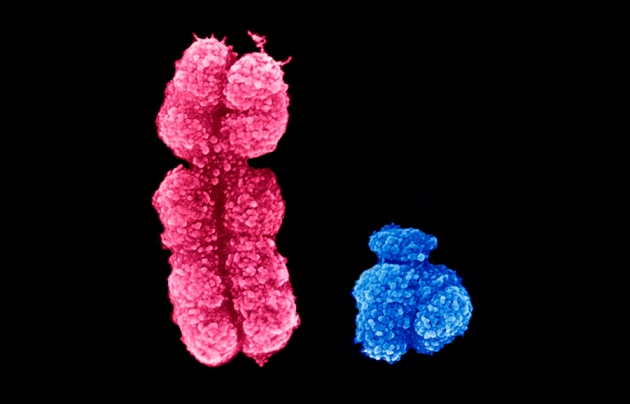
A battle of the sexes is waged in the genes
Sequencing data point to longstanding conflict between the chromosomes that determine sex.
-
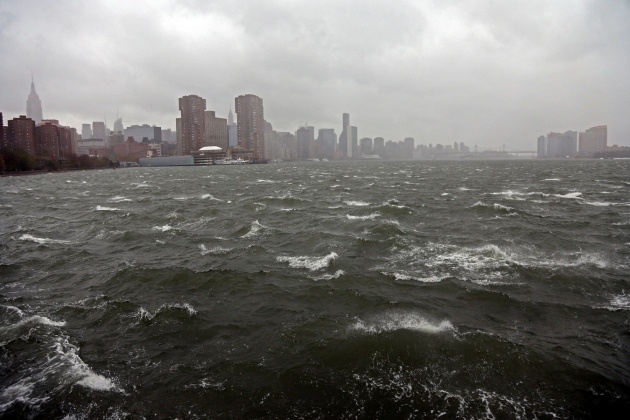
Severe weather linked more strongly to global warming
Attempts to attribute extreme weather events to global warming have often failed because they have looked at the wrong thing, leading climatologists claim. By focusing on rising temperatures, tides and atmospheric moisture instead of chaotic and highly variable shifts in atmospheric circulation, they say, scientists may be able to better identify the human fingerprint in…