

Science
-
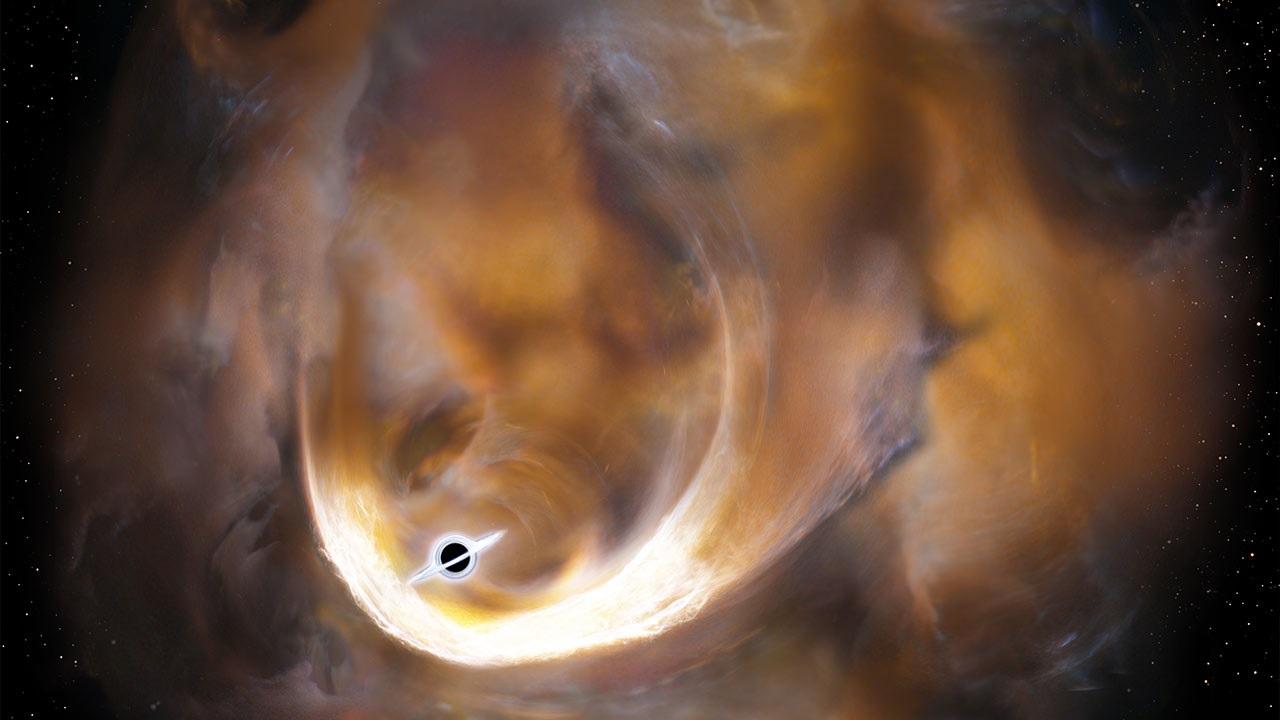
Astronomers spot another giant black hole in our backyard
Astronomers have long known that there is a supermassive black hole—known as Sagittarius A*—at the center of our galaxy. Now, a team of astronomers says they have found another one, not quite as big, orbiting 200 light-years from the center of the Milky Way.
-
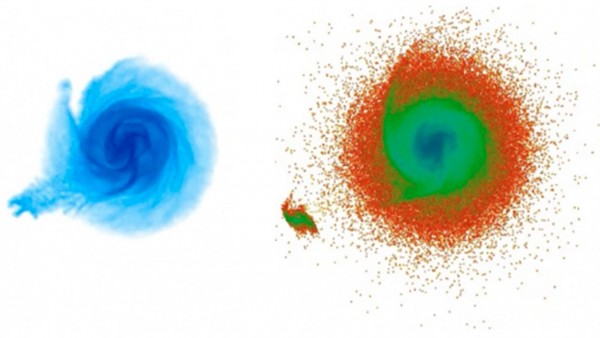
Rogue dwarf galaxy left ripples in Milky Way
A decade ago, astronomers discovered that the gas in our Milky Way galaxy is not spread out into a completely flat disk but has ripples, launching a search for the disturbances that caused them. Now researchers in the nascent field of galactic seismology have found a possible cause of at least some of those ripples:…
-
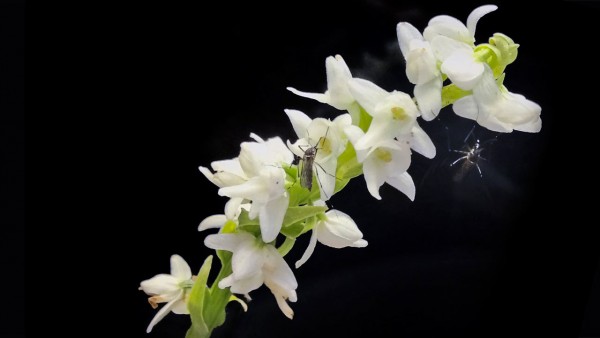
Orchids give off human ‘body odor’ to attract mosquitoes
Orchids are masters of deception. To lure potential pollinators, some resemble nectar-laden flowers, yet offer no sweet reward. Others smell like rotting meat. Still others look and smell like female insects. Now, sensory biologists have discovered orchids that emit an odor just like the human body.
-

Solving the mystery of dog domestication
2016 may be the year we finally figure out where dogs came from. Scientists have debated where and when our canine pals arose for decades, and now they may be close to an answer.
-
Physicists figure out how to retrieve information from a black hole
Black holes earn their name because their gravity is so strong not even light can escape from them. Oddly, though, physicists have come up with a bit of theoretical sleight of hand to retrieve a speck of information that’s been dropped into a black hole. The calculation touches on one of the biggest mysteries in…
-

EU frees up data for science
Scientists in Europe have won a major battle over access to personal health data. A research coalition had worried that draft European Union (EU) legislation would have sharply restricted scientific use of such data. This week, however, scientist-friendly amendments emerged from negotiations between the European Parliament, the European Council, and the European Commissio
-
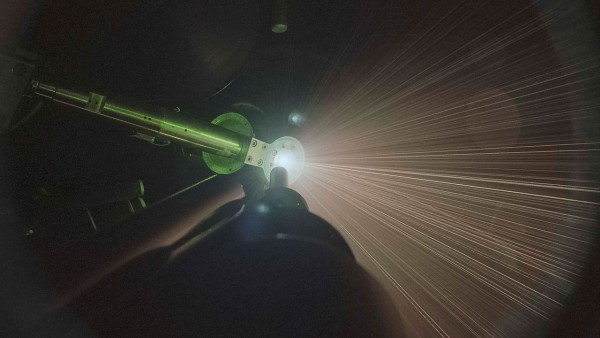
Physicists find new evidence for helium ‘rain’ on Saturn
Using one of the world’s most powerful lasers, physicists have found experimental evidence for Saturn’s helium “rain,” a phenomenon in which a mixture of liquid hydrogen and helium separates like oil and water, sending droplets of helium deep in the planet’s atmosphere. The results show the range of blistering temperatures and crushing pressures at which…
-
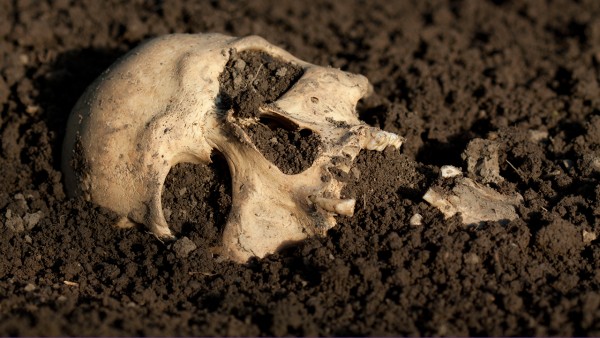
Thousands of unexpected microbes break down our bodies after death
“Dust to dust” may not be God’s work so much as the enterprising efforts of soil microbes. But until now, little was known about how these tiny undertakers turn our bodies to dust. New research shows that, no matter where we’re buried, the same bacteria, fungi, and other small organisms in the soil ransack our…
-
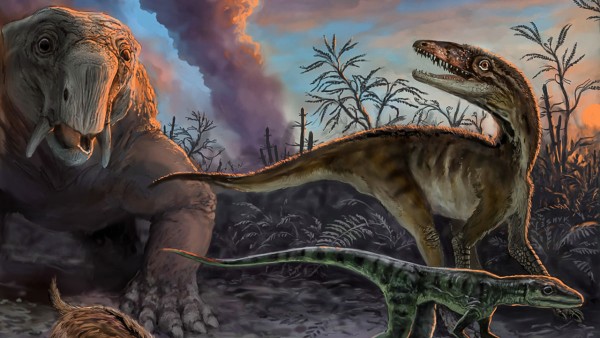
Dinosaurs evolved much faster than previously thought
Dinosaurs evolved from their smaller ancestors in just a few million years and not the 10 million years or more scientists had suspected, according to a new study. The work, based on radioactive dating of rocks sandwiching the earliest fossils of those predecessors, suggests that paleontologists have long misjudged the overall pace of dinosaur evolution.