

Science
-

Humans are still evolving—and we can watch it happen
Many people think evolution requires thousands or millions of years, but biologists know it can happen fast. Now, thanks to the genomic revolution, researchers can actually track the population-level genetic shifts that mark evolution in action—and they’re doing this in humans.
-
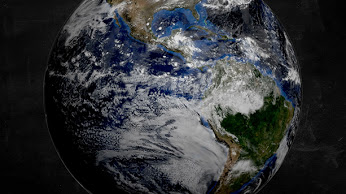
Earth’s ancient atmosphere was half as thick as it is today
Air pressure is crucial for life. Not only does it help the atmosphere retain water vapor and trap heat from the sun, but it also affects the very chemical reactions on which life depends. Yet very little is known about how thick Earth’s ancient atmosphere once was. Now, a new study suggests that Earth’s atmosphere…
-

Dung beetles may have evolved to eat dinosaur poop
Modern-day dung beetles mostly eat the excrement of mammals: cows, elephants, you name it. But a new study hints at a reptilian source for the beetles’ original dung diet.
-

How earthquakes might trigger faraway volcanoes
Big earthquakes can slosh around the bubbly magma underneath volcanoes hundreds of kilometers away, researchers have found, releasing gases that can increase magma pressure and even lead to an eruption.
-

Cadaver study casts doubts on how zapping brain may boost mood, relieve pain
When Buzsáki and his colleague, Antal Berényi, of the University of Szeged in Hungary, mimicked an increasingly popular form of brain stimulation by applying alternating electrical current to the outside of the cadaver’s skull, the electrodes inside registered little. Hardly any current entered the brain. On closer study, the pair discovered that up to 90%…
-

How do you spot a dark galaxy?
Astronomers have discerned the presence of a dwarf galaxy that may be made largely of dark matter, thanks to the light-bending effects of its hefty mass.
-
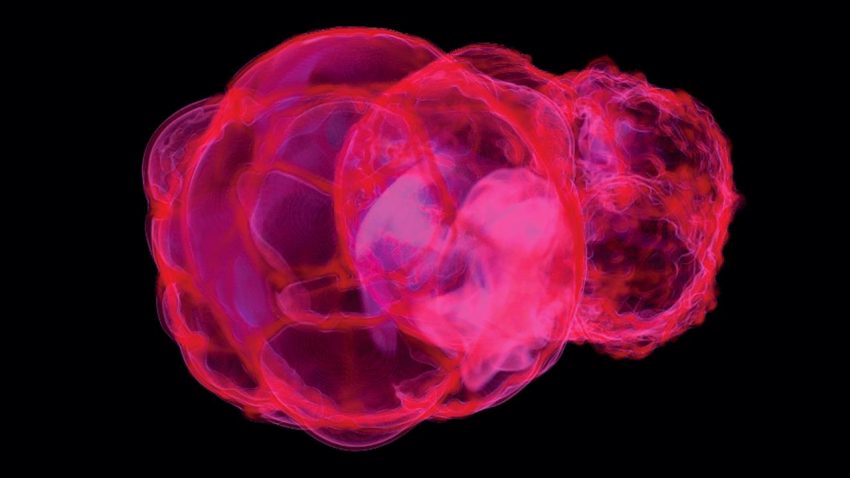
Earth barraged by supernovae millions of years ago, debris found on moon
It sounds like the plot of a disaster movie: A nearby star explodes as a supernova, outshining the sun in the sky. The fleeting light show blows away Earth’s ozone layer, leaving the planet’s inhabitants—human and otherwise—exposed to the full force of the sun’s radiation. Cancer skyrockets, crops fail, and civilization falls apart. Far-fetched, perhaps,…
-
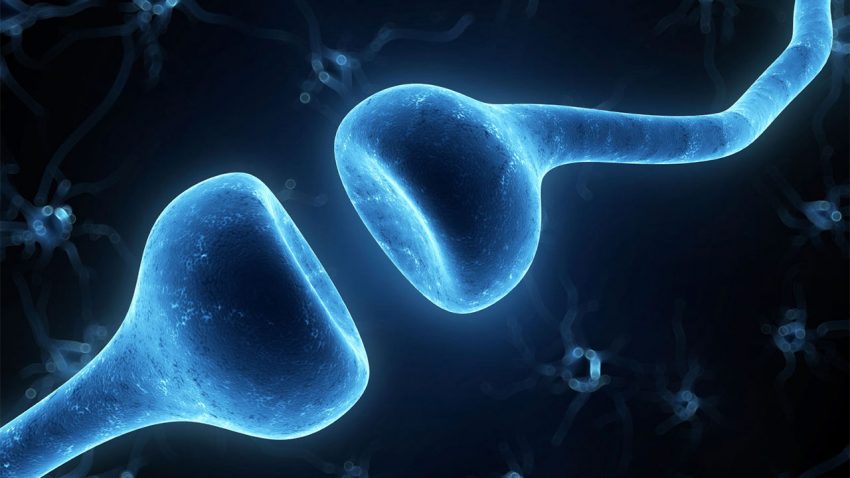
Alzheimer’s may be caused by haywire immune system eating brain connections
More than 99% of clinical trials for Alzheimer’s drugs have failed, leading many to wonder whether pharmaceutical companies have gone after the wrong targets. Now, research in mice points to a potential new target: a developmental process gone awry, which causes some immune cells to feast on the connections between neurons.
-
Scientists create largest map of brain connections to date
To map the roughly 1300 connections, or synapses, between the cells, researchers used an electron microscope to take millions of nanoscopic pictures from a speck of tissue not much bigger than a dust mite, carved into nearly 3700 slices.