

Science
-
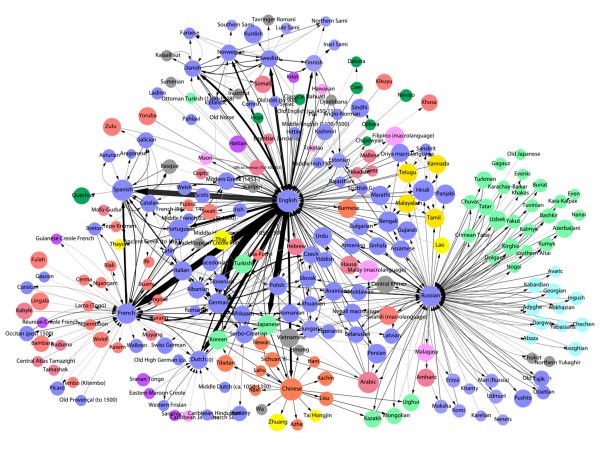
Want to influence the world? Map reveals the best languages to speak
Speak or write in English, and the world will hear you. Speak or write in Tamil or Portuguese, and you may have a harder time getting your message out. Now, a new method for mapping how information flows around the globe identifies the best languages to spread your ideas far and wide. One hint: If…
-

Why women’s bodies abort males during tough times
In times of trouble, multiple studies have shown, more girls are born than boys. No one knows why, but men need not worry about being overrun by women. An analysis of old church records in Finland has revealed that the boys that are born in stressful times survive better than those born during less challenging…
-
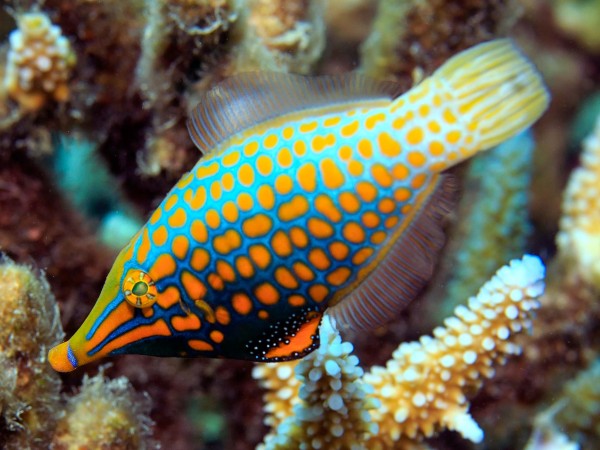
Filefish uses ‘smell camouflage’ to hide from predators
The harlequin filefish is a master of disguise. The reef-dwelling fish (Oxymonacanthus longirostris) sports a brightly colored pattern that allows it to fade into the coral it calls home. Now, scientists have discovered that the filefish doesn’t just look like a branch of coral—it smells like one, too.
-
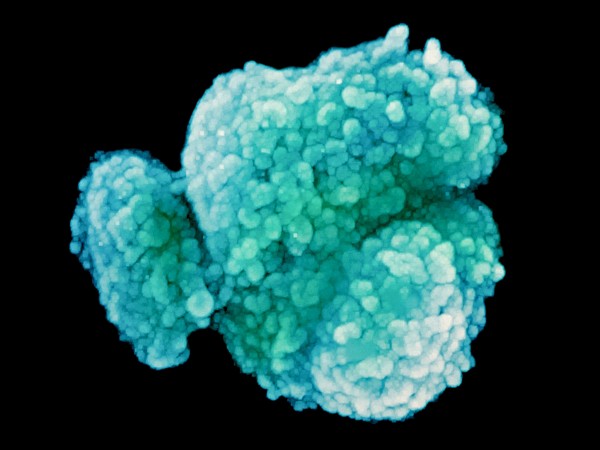
Smoking erases Y chromosomes
If cancer, heart disease, and emphysema weren’t bad enough, male smokers may have another thing to worry about: losing their Y chromosomes.
-

Respect long overdue: Earth’s most abundant mineral finally gets an official name
The mineral that makes up more than a third of our planet finally has a name, thanks to tiny samples found, ironically, in a meteorite that fell to Earth in Australia in 1879.
-
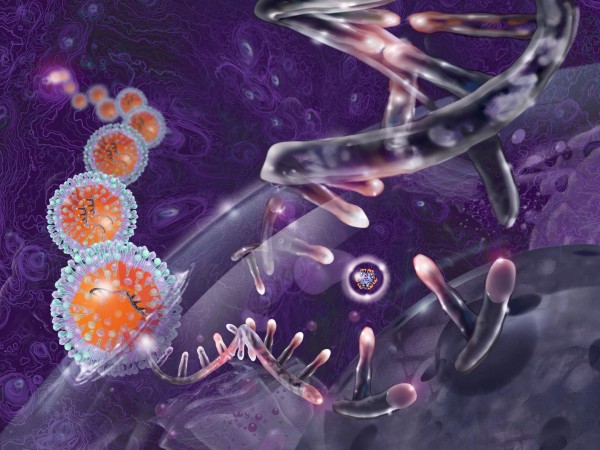
Gene therapy helps weak mice grow strong
A virus that shuttles a therapeutic gene into cells has strengthened the muscles, improved the motor skills, and lengthened the lifespan of mice afflicted with two neuromuscular diseases. The approach could one day help people with a range of similar disorders, from muscular dystrophy to amyotrophic lateral sclerosis, or ALS.